



You’ve just moved into your apartment, and something about the tap water doesn’t sit right. Maybe it’s the faint chlorine smell, the slightly off taste, or the nagging worry about what invisible contaminants might be flowing through aging building pipes. A Reverse Osmosis system seems like the perfect answer—and in many cases, it absolutely is. These powerful filtration systems can strip away everything from lead and chlorine to dissolved solids that compromise your drinking water.
But here’s what many apartment residents discover too late: an RO system is only as good as its installation. Incorrect setup can lead to persistent leaks under your sink, wasted water, a membrane that fails prematurely, or worse—a false sense of security while contaminants slip through unfiltered. In apartment settings, where space is tight and plumbing configurations vary widely, the margin for error shrinks considerably.
This guide walks you through the most common mistakes people make when choosing and installing an ro system for apartment. From skipping essential water testing to botching the drain line connection, you’ll learn exactly what to avoid so your system delivers on its promise of clean, safe water for your family’s health.
Mistake #1: Skipping a Professional Water Quality Assessment
Too many apartment residents buy an RO system based on a vague sense that their water “isn’t great.” They pick a popular model, install it, and assume the problem is solved. But here’s the reality: reverse osmosis membranes excel at removing dissolved solids, but your specific water challenges might include bacteria, volatile organic compounds, or unusually high sediment levels that demand additional pre-treatment. Installing a system without knowing what you’re filtering against is like choosing medication without a diagnosis.
The danger of guesswork cuts both ways. You might overspend on a six-stage system with features you don’t need, or worse, install a basic unit that leaves dangerous contaminants like lead or arsenic untreated. Apartment buildings with older plumbing are particularly vulnerable to heavy metal contamination that occurs between the municipal treatment plant and your faucet—meaning the city’s water report alone won’t tell the full story.
Start by requesting your municipality’s annual Consumer Confidence Report, which details regulated contaminants detected at the treatment facility. Then invest in a home water test kit that measures TDS (total dissolved solids), pH, hardness, chlorine, and lead levels directly from your tap. If your building was constructed before 1986, consider a more comprehensive lab test that screens for copper and lead leaching from older pipes. Once you have concrete data, you can match your RO system’s filtration stages to the specific threats present in your water—whether that means prioritizing sediment pre-filtration, targeting chloramine with catalytic carbon, or ensuring the membrane’s rejection rate handles your measured TDS levels effectively.
Mistake #2: Choosing the Wrong RO System for Your Apartment Space
Selecting an RO system isn’t just about filtration capability—it’s about finding a unit that physically fits your apartment’s constraints while addressing your specific water quality needs. Many renters order a highly-rated system online only to discover it won’t fit beneath their sink, requires plumbing modifications their landlord won’t approve, or includes features that add complexity without solving their actual water problems.
Ignoring Under-Sink Space and Plumbing Configuration
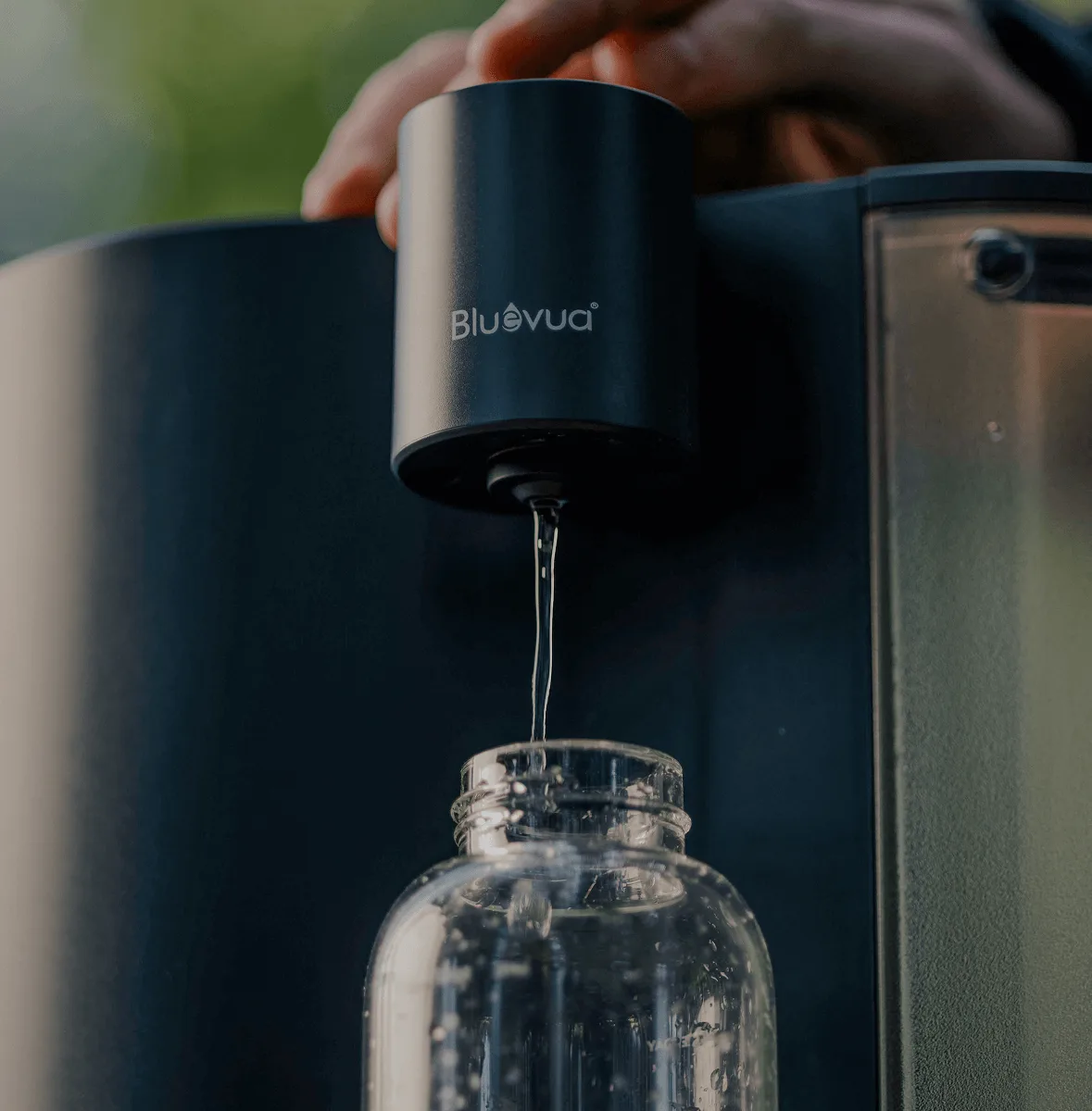
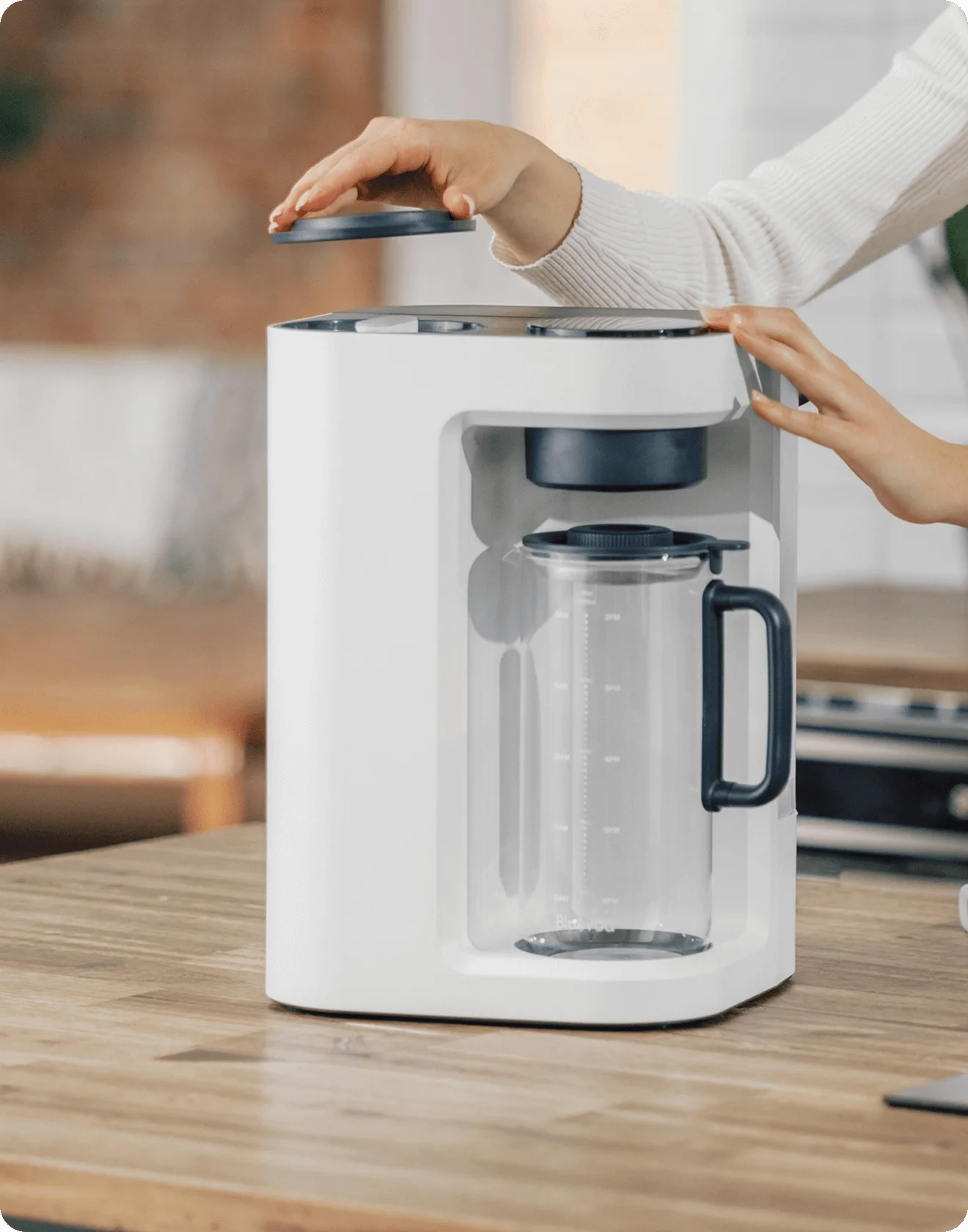
Before purchasing any system, grab a tape measure and document the exact dimensions of your under-sink cabinet—height, width, and depth. Account for the pressurized storage tank, which typically needs at least 11 inches of vertical clearance, plus room for the filter housing assembly beside it. Many apartment cabinets have garbage disposal units, pipes, or electrical outlets that eat into available space. If your measurements are tight, consider a tankless RO system—such as those offered by brands like Bluevua—that eliminates the bulky reservoir entirely, making them particularly well-suited for compact apartment kitchens.
Equally important is understanding your existing plumbing setup. Check whether your cold water supply line uses a standard 3/8-inch compression fitting or something less common. Examine your drain pipe—is there already a disposal unit connected, and does the drain line have a spot for an air gap fitting? Some apartments feature non-standard faucet configurations that require adapter kits. Knowing these details upfront prevents mid-installation surprises that send you scrambling to a hardware store or, worse, force you to return the entire system.
Overlooking System Features: The Role of a UV Light Filter
If your water test revealed bacterial contamination or if your building uses a well water source, a UV light filter stage becomes essential rather than optional. UV disinfection neutralizes bacteria, viruses, and cysts that can occasionally pass through an RO membrane—particularly if the membrane develops micro-tears over time. For apartments in older buildings with suspect plumbing infrastructure, this additional safeguard provides meaningful protection.
However, more stages don’t automatically mean better water. Each additional filter adds connection points where leaks can develop, increases maintenance costs, and demands more cabinet space. If your water testing shows no microbial concerns but elevated heavy metals, prioritize a system with a high-rejection membrane and targeted remineralization rather than adding UV or unnecessary alkaline stages. Match the system’s complexity to your documented water quality data—not to marketing claims about maximum filtration stages.
Mistake #3: Incorrect Installation and Setup Process
Even with the right system in hand and solid water quality data backing your choice, the installation itself is where things most frequently fall apart. A single loose connection or skipped step can undermine the entire system’s performance, turning what should be a reliable filtration solution into a source of frustration, water damage, or compromised water quality.
Improper Connection to the Water Supply and Drain Line
Tapping into your cold water supply line requires precision and patience. First, shut off the cold water valve completely and relieve pressure by opening the faucet. When installing the feed water adapter valve, wrap all threaded connections with plumber’s tape—exactly three to four wraps clockwise—and tighten until snug without over-torquing, which can crack compression fittings. Once connected, open the valve slowly and inspect every joint with a dry paper towel, watching for even the slightest moisture that signals a developing leak.
The drain line connection deserves equal attention, yet it’s where most apartment installers cut corners. The drain saddle must be positioned above the P-trap—never below it—and ideally on the vertical section of the drainpipe. If your local code requires an air gap faucet, install one rather than using a simple direct connection. An air gap physically prevents contaminated drain water from being siphoned back into your RO system during a drain backup, which is a real concern in apartment buildings where multiple units share plumbing stacks. Drill the drain hole cleanly, deburr the edges, and ensure the tubing angles downward to prevent standing water that breeds bacteria.
Rushing the Initial Flushing and Filter Priming
New RO systems contain carbon fines, manufacturing residues, and membrane preservatives that must be thoroughly flushed before the water is safe to drink. Most manufacturers recommend discarding the first two full tanks of water—yet impatient installers often skip this step after tasting the first tank and finding it “fine.” Those carbon fines won’t necessarily taste bad, but they indicate the system hasn’t been properly cleared of particulates that can clog the membrane prematurely.
The membrane itself requires careful priming. It must be fully saturated before the system operates under normal pressure, which typically takes four to six hours of initial operation. Running the system at full pressure with a dry membrane can cause irreversible damage to the thin-film composite layer, reducing its rejection rate for heavy metals and dissolved solids from the rated 95-99% down to levels that provide inadequate protection. Follow your manufacturer’s priming instructions exactly, and verify performance afterward with a TDS meter reading from the output line.
Forgetting Regular Maintenance Scheduling
Installation doesn’t end once water flows from the dedicated faucet. Create a maintenance calendar immediately: sediment pre-filters need replacement every six to nine months, carbon pre-filters and post-filters every six to twelve months, and the RO membrane every two to three years depending on your water quality and usage volume. Write the installation date directly on each filter housing with a permanent marker, and set phone reminders for each replacement interval.
Between scheduled changes, stay alert to warning signs. A noticeable drop in water flow rate often indicates clogged pre-filters or declining water pressure. A return of off-tastes or odors suggests the post-carbon filter is exhausted. If your TDS meter shows output readings climbing above 10-15% of your input reading, the membrane is likely failing. Catching these signals early prevents cascading damage where a spent pre-filter forces contaminants onto the membrane, dramatically shortening its lifespan and compromising the water quality your family depends on.
Ensuring Your RO System Delivers on Family Health Promises
When every step is done correctly—from initial water testing through precise installation—your RO system becomes more than a filter. It becomes a reliable health safeguard that consistently removes up to 99% of dissolved contaminants, heavy metals, and chemical residues from every glass your family drinks. A properly seated membrane with verified connections means contaminants like lead, arsenic, and nitrates are actually being rejected rather than passing through gaps caused by improper seating or damaged thin-film layers. This is the difference between genuine protection and expensive peace of mind theater.
Consistent maintenance directly translates to consistent water quality. When pre-filters are changed on schedule, the membrane stays protected and continues performing at its rated rejection capacity. When post-carbon filters remain fresh, every glass tastes clean and free of the residual flavors that drive people back to bottled water. Neglect any single element, and the entire chain weakens.
Before considering your installation complete, run through this final checklist: Have you tested your water and identified specific contaminants to target? Does your chosen system physically fit your space and match your filtration needs without unnecessary complexity? Did you verify every connection is leak-free, flush the initial tanks completely, and confirm performance with a TDS meter? Is your maintenance calendar set with specific dates for each filter stage? If you can answer yes to each question, your system is positioned to deliver exactly what your family’s health demands—clean, safe water every single day.
Get Your Apartment RO Installation Right the First Time
Installing an RO system in your apartment comes down to getting three things right: assessment, selection, and installation. Skipping a proper water quality test means you’re filtering blind—potentially missing dangerous contaminants or paying for unnecessary stages. Choosing a system without measuring your space or understanding your plumbing leads to returns, modifications, and landlord headaches. And rushing through installation—whether it’s a loose connection, a skipped flush cycle, or a neglected maintenance schedule—turns a premium filtration system into an underperforming liability.
The payoff for doing this correctly is substantial. A well-chosen, properly installed RO system quietly delivers water that’s free from the heavy metals, chemicals, and dissolved solids that compromise your family’s health. It eliminates the recurring cost and environmental waste of bottled water while giving you measurable confidence—backed by TDS readings, not guesswork—that what flows from your faucet is genuinely safe.
Take your time with each phase. Test before you buy, measure before you commit, and follow every installation step without shortcuts. The result is something worth the effort: clean, great-tasting water you can trust every time you fill a glass in your apartment.
