



Picture this: it’s midnight before a major exam, and a student is frantically digging through a mountain of loose papers, crumpled handouts, and sticky notes scattered across their desk, floor, and bed. That crucial study guide from three weeks ago? Buried somewhere beneath a pile of takeout menus and old assignments. This scene plays out in dorm rooms and apartments everywhere, silently eroding academic performance one lost document at a time. But what if a single, modest piece of furniture could fundamentally change this pattern? Can a filing cabinet with 2 drawers truly revolutionize student study habits? It sounds almost too simple, yet this compact organizational tool offers something many students desperately lack—a dedicated, structured home for their academic materials. This article explores how such a straightforward solution can reshape the way students interact with their coursework, reduce daily friction, and ultimately build habits that extend far beyond graduation day.
The Organizational Challenges Facing Today’s Students
Modern students navigate a uniquely chaotic academic landscape. Between printed syllabi, handwritten lecture notes, research printouts, and graded assignments, physical papers accumulate at an alarming rate—often without any designated place to land. Add in the hybrid nature of today’s coursework, where digital files coexist with tangible documents, and the organizational burden doubles. Students frequently find themselves toggling between laptop folders and physical stacks, unable to locate what they need in either realm. The consequences are measurable: studies suggest students lose an average of several hours each week simply searching for misplaced materials. This wasted time compounds into missed deadlines, incomplete review sessions, and mounting anxiety. Beyond the academic toll, disorganization erodes confidence. A student who can’t find their notes often feels unprepared, even when they’ve done the reading. What’s missing isn’t motivation or intelligence—it’s infrastructure. Students need a tangible system for organizing study materials, something physical and intuitive that anchors their workflow. They also need portable storage solutions that adapt to their mobile lifestyles, moving between dorms, libraries, and coffee shops. The right tool must be simple enough to adopt immediately yet structured enough to sustain long-term habits.
Why a Filing Cabinet with 2 Drawers is a Game-Changer
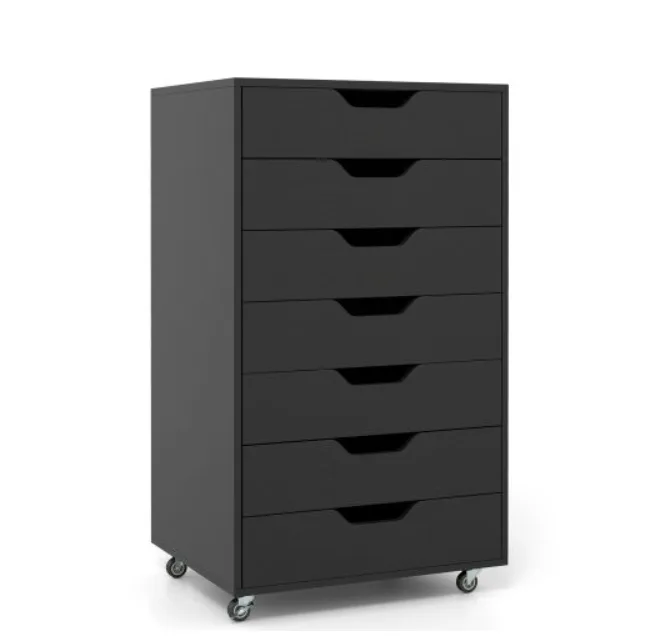
A filing cabinet with 2 drawers hits a sweet spot that larger or more complex storage systems simply miss for the student demographic. Its compact footprint fits comfortably beside a desk, tucked into a closet corner, or slid beneath a lofted bed—spaces that define the cramped realities of dorm life and shared apartments. Yet despite its modest size, it delivers something transformative: a dedicated, purpose-built structure for academic materials that signals to the brain, “this is where organized work lives.” That psychological anchor matters more than most students realize. When every handout, study guide, and graded paper has a home, the mental load of remembering where things are simply evaporates.
As a piece of organizational furniture, the 2-drawer cabinet serves as a foundation rather than a final destination. It teaches the fundamental habit of categorization without overwhelming a student who has never maintained a filing system before. There’s no complex taxonomy to learn, no elaborate setup required—just two drawers and the simple decision of what belongs in each. This low barrier to entry is precisely why it works where apps, binders, and good intentions often fail. Students can start using it effectively within minutes of setting it up, building confidence before layering on more sophisticated organizational strategies.
Balancing Capacity and Space Efficiency
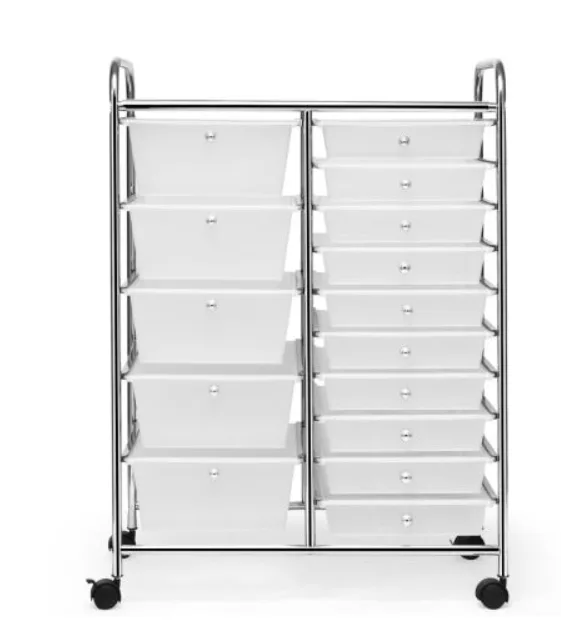
Two drawers naturally encourage a binary sorting logic that students can immediately grasp. The top drawer becomes the active zone—current semester syllabi, upcoming assignment briefs, weekly reading packets—while the bottom drawer archives completed work, reference materials, and documents worth keeping but not needed daily. This simple division eliminates the paralysis of over-categorization while ensuring nothing important gets discarded prematurely. For students on tight budgets, retailers like Costway-AU offer affordable 2-drawer units that represent an accessible entry point into structured organization, proving that effective systems don’t require elaborate or expensive setups to deliver real results.
Exploring Optimal Filing Solutions: From Large Storage to Mobile Units
While a filing cabinet with 2 drawers serves as the ideal starting point, students benefit from understanding the broader ecosystem of filing solutions available to them. Different academic situations demand different storage approaches, and recognizing which cabinet type matches a particular workflow can mean the difference between a system that sticks and one that gets abandoned within weeks. The key is matching the tool to the task—not every student’s paper load looks the same, and not every living situation accommodates the same furniture footprint. By exploring the range of options, students can make informed decisions about what serves them now and what they might grow into as their academic demands evolve.
Large Storage File Cabinets for Extensive Document Archives
Some students generate paper at industrial scale. Graduate researchers accumulating years of journal printouts, art majors storing oversized project documentation, or pre-law students building case file libraries all face storage demands that exceed what two drawers can handle. Large storage file cabinets offer the depth these students need, with multiple drawer configurations that allow granular categorization by course, semester, or project phase. Placed against a wall in a private dorm room or tucked into a dedicated study nook, these units become personal reference libraries—eliminating trips to print duplicate copies and keeping entire research histories within arm’s reach during intensive writing sessions.
Mobile File Cabinets for Flexible and Portable Storage Solutions
Students rarely study in just one location. Between shared dorm rooms, library carrels, group study rooms, and coffee shop tables, academic work happens wherever space opens up. Mobile file cabinets address this reality directly, featuring casters that roll smoothly across floors and lightweight construction that doesn’t punish a student for relocating. These portable storage solutions let students wheel their organized materials from bedroom to common area without disrupting their filing system. Some students pair a mobile unit with their backpack workflow—pulling the day’s needed folders each morning, then refiling materials each evening to maintain order without carrying everything everywhere.
Integrating with Broader Organizational Furniture Systems
A filing cabinet doesn’t operate in isolation. It works best as one component within a larger organizational furniture ecosystem that includes a clean desk surface, accessible shelving for textbooks, and digital tools for cloud-based documents. When a 2-drawer cabinet sits beside a desk, it creates a natural workflow: active papers move from cabinet to desk during study sessions, then return when work concludes. Shelves hold reference books that complement filed notes, while laptop folders mirror the cabinet’s physical categories. This integration ensures that physical and digital organization reinforce each other rather than competing for a student’s attention.
Practical Implementation: Step-by-Step Solutions for Student Needs
Knowing that a filing cabinet can help is one thing—actually setting it up to transform daily study habits requires deliberate action. The following steps provide a concrete roadmap for students ready to move from chaos to clarity, using their filing cabinet as the organizational backbone of their academic life.
Step 1: Assessing and Categorizing Study Materials
Begin by gathering every loose paper, handout, and printed document from across your living space into a single pile. Sort this collection into broad categories: active coursework that needs attention this week, reference materials you’ll consult throughout the semester, and completed work worth archiving. Within the top drawer, create hanging folders labeled by course or project name for active materials. The bottom drawer holds semester archives and reference documents organized chronologically or by subject. Use simple color-coded tabs—one color per course—so you can locate any document in seconds without reading every label. This initial sorting session typically takes under an hour and immediately reveals how much time you’ve been losing to disorganization.
Step 2: Setting Up a Mobile Filing System for On-the-Go Study
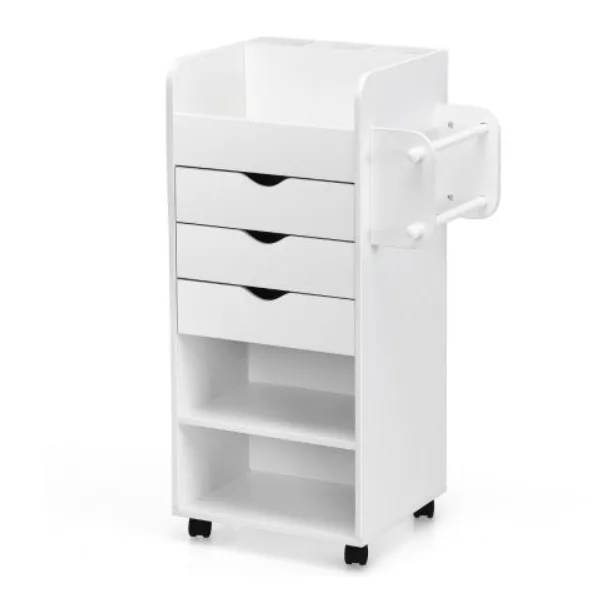
If your study routine spans multiple locations, pair your stationary cabinet with a mobile file cabinet or a portable file tote that mirrors its structure. Each morning, pull the specific folders you’ll need for that day’s classes or study sessions and transfer them to your mobile unit or a designated section of your backpack. Keep a slim expanding folder as your “inbox” for new papers received throughout the day—handouts, graded work, printed articles. Each evening, spend two minutes refiling these inbox items into their proper place in your main cabinet. This daily transfer ritual prevents paper from accumulating in random locations and ensures your portable storage solutions stay lightweight rather than becoming another cluttered dumping ground.
Step 3: Maintaining and Evolving the Organization System
Schedule a fifteen-minute review at the end of each month. During this session, move completed assignments from the top drawer to the bottom, discard outdated handouts, and adjust folder labels as courses shift focus. At semester’s end, consolidate archived materials and decide what’s worth keeping long-term. If your paper volume grows substantially—perhaps during thesis research or clinical rotations—consider scaling up to a large storage file cabinet while keeping your 2-drawer unit as the active workspace. The goal is evolution, not perfection: let your system grow alongside your academic demands rather than rebuilding from scratch each term.
The Revolution in Action: Transforming Study Habits for Good
When a student sits down to study and every document they need is exactly where they expect it to be, something shifts. The mental energy previously spent searching, worrying, and reconstructing lost materials redirects toward actual learning. Reduced clutter stress translates directly into improved focus during study sessions, while the time saved from organized retrieval compounds into better deadline management and more thorough exam preparation. Perhaps most significantly, the daily practice of filing and retrieving documents builds organizational muscle memory that extends into internships, careers, and personal life. A filing cabinet with 2 drawers doesn’t just store papers—it teaches a student that structure creates freedom, that small consistent actions prevent large chaotic consequences, and that academic success often hinges not on working harder but on removing unnecessary obstacles from the path.
From Scattered Papers to Structured Success: Your Next Step
The question posed at the start—whether a filing cabinet with 2 drawers can revolutionize student study habits—deserves a resounding yes, with one caveat: revolution begins with action. This article has traced the path from recognizing the organizational challenges students face daily to understanding why a compact 2-drawer cabinet addresses those challenges with elegant simplicity. We’ve explored how large storage file cabinets serve students with heavier archival needs, how mobile file cabinets provide the portable storage solutions that match today’s on-the-go academic lifestyles, and how these tools integrate into broader organizational furniture systems for maximum impact. The practical steps outlined—assessing materials, building a mobile workflow, and maintaining the system over time—offer a concrete blueprint any student can follow starting today. The transformation isn’t really about the cabinet itself; it’s about what happens when a student decides their academic materials deserve a home and their future self deserves less chaos. If you’re a student reading this surrounded by scattered papers and mounting stress, consider this your invitation to start small, start now, and let one simple piece of furniture become the foundation for habits that will serve you for decades to come.
