



Imagine trying to fall asleep while a relentless ringing fills your ears, or struggling to follow a conversation as a high-pitched whine competes with every word spoken. For the nearly 750 million people worldwide living with tinnitus, this isn’t a hypothetical scenario—it’s daily reality. The phantom sounds of tinnitus can erode concentration, disrupt sleep, and gradually diminish quality of life in ways that others rarely understand. Until recently, sufferers had limited options: learn to cope, or rely on basic sound generators that offered only marginal relief.
Now, a new generation of AI-powered hearing aids is transforming the landscape of tinnitus management. These intelligent devices go far beyond simple amplification, leveraging artificial intelligence to deliver personalized, adaptive relief that evolves with the wearer’s needs. This article explores how AI hearing aids work, examining their sophisticated tinnitus masking capabilities, advanced noise reduction algorithms, and seamless Bluetooth connectivity. Whether you’re newly diagnosed or searching for a more effective solution, understanding these technologies can open the door to meaningful, lasting relief.
Understanding Tinnitus and the Evolution of Hearing Aids
Tinnitus is the perception of sound—ringing, buzzing, hissing, or humming—without any external source. It affects people across all age groups, though it becomes more prevalent with age. Common causes include prolonged noise exposure, age-related hearing loss, earwax blockage, cardiovascular conditions, and certain medications. For many sufferers, the consequences extend well beyond the phantom sound itself. Sleep disturbances become routine, concentration fractures under the constant auditory intrusion, and social withdrawal follows as conversations grow increasingly exhausting.
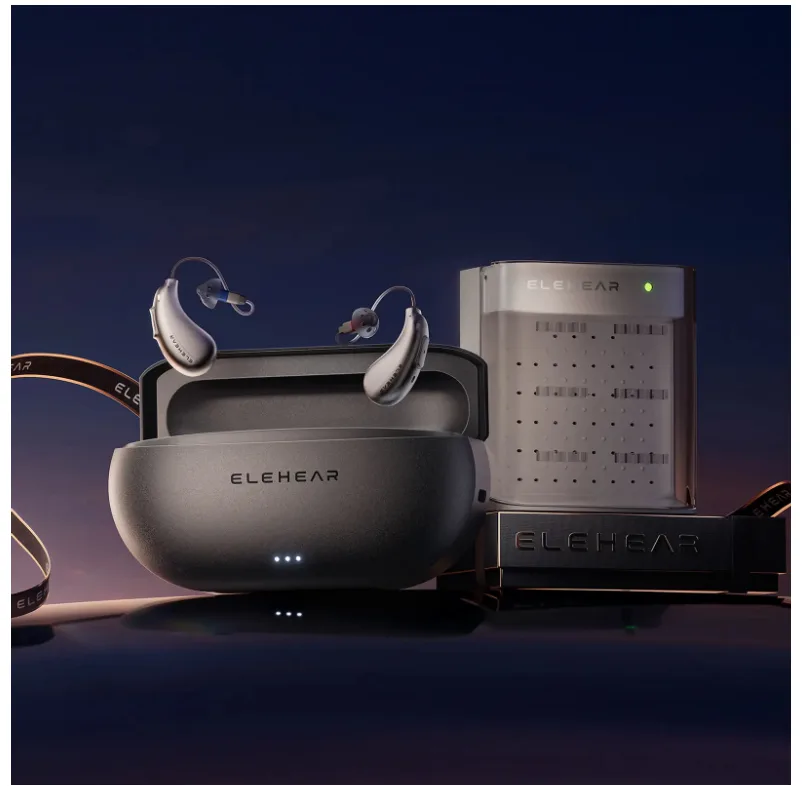
Traditional hearing aids addressed hearing loss by amplifying incoming sound uniformly, but they offered little for tinnitus specifically. Some incorporated basic sound generators that played a single static tone or white noise, providing temporary distraction rather than true relief. These one-size-fits-all approaches couldn’t account for the fact that tinnitus varies dramatically between individuals—in pitch, volume, pattern, and emotional impact. The gap between what sufferers needed and what technology delivered remained wide for decades. Today, AI-powered hearing aids represent a fundamental shift, moving from passive amplification to intelligent, personalized intervention that adapts continuously to each wearer’s unique auditory profile and environment.
The Technology Behind AI Hearing Aids
What distinguishes AI hearing aids from their conventional predecessors isn’t simply better hardware—it’s the fundamental approach to processing sound. Traditional hearing aids operated on fixed rules: amplify certain frequencies, suppress others, and apply the same adjustments regardless of context. AI hearing aids, by contrast, employ machine learning algorithms that continuously analyze the acoustic environment and make thousands of micro-adjustments per second. They learn from patterns, recognize different listening situations, and refine their responses over time based on how the wearer interacts with sound.
At the heart of these devices lies a neural network trained on millions of sound samples. This network can distinguish between a human voice and background chatter, identify whether the wearer is in a quiet room or a bustling restaurant, and detect the specific characteristics of an individual’s tinnitus signal. Rather than applying a static correction, the AI builds an evolving model of the wearer’s auditory needs, adjusting its processing strategy in real time. The result is a hearing experience that feels natural and responsive—one that anticipates challenges before the wearer consciously registers them.
Core Components of AI Hearing Systems
The hardware foundation of an AI hearing aid includes multiple directional microphones capable of capturing sound from different angles simultaneously, creating a spatial map of the acoustic environment. These microphones feed data into a dedicated neural processing chip—a miniaturized processor designed specifically for running machine learning models with minimal power consumption. The chip analyzes incoming audio streams, applies AI-driven algorithms for noise classification and speech enhancement, and sends the processed signal to precision speakers that deliver sound directly into the ear canal with remarkable fidelity. Beyond this core audio chain, modern AI hearing aids incorporate motion sensors that detect physical activity and head movement, helping the system infer context about the wearer’s situation. Wireless connectivity modules enable communication with smartphones and other devices, allowing the AI to pull additional data—like GPS location or calendar events—that further inform its processing decisions. This tight integration of sensors, processors, and connectivity transforms the hearing aid from a passive amplifier into an intelligent companion that actively manages the wearer’s auditory experience throughout the day.
How AI Hearing Aids Address Tinnitus: Tinnitus Masking and More
The most significant breakthrough AI hearing aids offer tinnitus sufferers is intelligent tinnitus masking—a therapeutic approach that uses carefully crafted sounds to reduce the brain’s perception of phantom noise. Unlike older devices that simply overlaid a fixed tone on top of tinnitus, AI-driven systems analyze the specific frequency, intensity, and temporal pattern of each wearer’s tinnitus and generate a precisely tailored masking signal designed to blend with and neutralize the perceived sound. This personalization matters enormously because no two cases of tinnitus are identical. One person might experience a narrow-band high-pitched ring at 6,000 Hz, while another hears a broadband hiss that fluctuates throughout the day. The AI maps these individual characteristics during an initial profiling phase and continues refining its understanding as it gathers more data from daily use.
Beyond static masking, these systems incorporate user feedback loops. When wearers report changes in their tinnitus—perhaps it intensifies during stressful periods or shifts pitch after exposure to loud environments—the AI adjusts its masking output accordingly. Some devices allow users to rate their comfort level through a companion app, feeding that subjective data back into the algorithm. Over weeks and months, the system develops an increasingly accurate model of when tinnitus flares, what masking parameters provide the greatest relief, and how to transition smoothly between masking and normal hearing enhancement without jarring the wearer.
The Science of Tinnitus Masking with AI
Sound therapy for tinnitus works on the principle of auditory habituation—training the brain to reclassify the tinnitus signal as unimportant background noise rather than a threatening stimulus. AI hearing aids deploy multiple sound therapy techniques simultaneously, including shaped white noise that matches the spectral profile of the wearer’s tinnitus, fractal tones that provide unpredictable yet soothing musical patterns, and nature sounds like ocean waves or rainfall that promote relaxation. The critical advantage of AI lies in its ability to modulate these sounds in real time. If the wearer moves from a quiet office to a noisy street, the system reduces masking volume because ambient sound already provides partial coverage. In silent environments where tinnitus becomes most intrusive, the AI increases masking intensity seamlessly. This dynamic adjustment prevents the common problem of habituation to the masking sound itself—where a static signal loses effectiveness because the brain learns to ignore it, leaving the tinnitus exposed again. By constantly varying the masking parameters within therapeutic boundaries, AI maintains relief without allowing neural adaptation to undermine the treatment.
Benefits for Tinnitus Sufferers
Clinical research on AI-driven tinnitus masking has demonstrated meaningful improvements across multiple quality-of-life measures. Studies show that consistent use of personalized masking reduces perceived tinnitus loudness by an average of 40 to 60 percent within the first three months, with many users reporting that they no longer notice their tinnitus during daily activities. Sleep quality improves substantially as nighttime masking programs deliver gentle, low-level sound therapy that allows the brain to relax without fixating on the phantom signal. Users frequently describe regaining the ability to concentrate on reading, work tasks, and conversations—activities that tinnitus had gradually stolen from them. Stress and anxiety levels associated with tinnitus also decline as sufferers regain a sense of control over their condition. Rather than feeling powerless against an invisible tormentor, wearers actively manage their experience through technology that responds to their input. This psychological shift—from passive suffering to active management—often proves as valuable as the acoustic relief itself, breaking the cycle of frustration and hypervigilance that makes tinnitus progressively harder to bear.
Additional Features: Noise Reduction and Bluetooth Connectivity
While tinnitus masking represents the most targeted relief these devices offer, AI hearing aids deliver equally impressive capabilities in noise reduction and wireless connectivity that collectively transform the wearing experience. Advanced noise reduction works hand-in-hand with tinnitus management—by cleaning up the acoustic environment, these algorithms ensure that wearers hear speech and important sounds with crystal clarity, reducing the cognitive strain that often worsens tinnitus perception. Meanwhile, Bluetooth connectivity turns hearing aids into versatile communication hubs, streaming audio directly from phones, tablets, and computers while giving users fingertip control over every aspect of their hearing experience.
Advanced Noise Reduction Algorithms
AI-powered noise reduction operates on a fundamentally different principle than the simple frequency filters used in older hearing aids. The neural network running inside the device continuously classifies every sound entering the microphones—separating human speech from wind noise, traffic rumble, restaurant clatter, and mechanical hum. Once classified, the AI suppresses unwanted noise while preserving and even enhancing speech signals, maintaining natural vocal quality rather than producing the hollow, artificial sound that plagued earlier noise-canceling approaches. In crowded environments like busy cafés or family gatherings, the system focuses directional attention on the speaker facing the wearer, reducing competing voices from other directions. This dramatically improves conversational clarity and reduces the listening fatigue that drives many tinnitus sufferers to avoid social situations entirely. Beyond social benefits, intelligent noise reduction enhances safety by ensuring that important environmental alerts—car horns, alarms, someone calling from behind—remain audible even while background noise is suppressed.
Bluetooth Hearing Aids: Connectivity and Convenience
Bluetooth connectivity transforms AI hearing aids into wireless earpieces that pair seamlessly with smartphones and other devices. The pairing process typically involves opening the hearing aid’s battery door and closing it to activate pairing mode, then selecting the device from a phone’s Bluetooth settings. Once connected, wearers stream phone calls, music, podcasts, and video audio directly into their hearing aids with rich, clear sound quality. Dedicated companion apps provide granular control over volume, equalizer settings, and environmental programs—all adjustable with a few taps. Crucially, these apps integrate tinnitus management tools directly into the same interface. Users can activate masking sounds, adjust their intensity, schedule nighttime sound therapy programs, and review usage data that tracks their tinnitus patterns over time. Some apps even allow audiologists to make remote adjustments, eliminating the need for frequent office visits. This unified platform means wearers manage their hearing enhancement, tinnitus relief, and entertainment streaming from a single device they already carry everywhere.
A Step-by-Step Guide to Adopting AI Hearing Aids for Relief
Consultation and Professional Assessment
The journey toward AI-powered tinnitus relief begins with a comprehensive medical evaluation. Schedule an appointment with an audiologist who specializes in tinnitus management, as they can rule out underlying conditions such as acoustic neuromas, cardiovascular issues, or medication side effects that may require separate treatment. During the assessment, expect a full audiometric evaluation that maps your hearing thresholds across all frequencies, along with a detailed tinnitus characterization session where you’ll identify the pitch, loudness, and pattern of your phantom sounds. This data becomes the foundation for programming your AI hearing aid’s masking algorithms effectively.
Fitting and Customization Process
Once you’ve selected a device with your audiologist’s guidance, the fitting process involves both physical sizing and digital calibration. Brands like ELEHEAR have developed AI hearing aids that streamline this calibration experience, allowing the neural network to run its initial profiling while you provide real-time feedback on comfort and effectiveness. The audiologist ensures the device sits comfortably in or behind your ear, then connects it to specialized software that programs the AI based on your audiometric profile and tinnitus characteristics. This collaborative tuning establishes your baseline programs for different environments, from quiet bedrooms to noisy workplaces.
Daily Usage and Maintenance Tips
For optimal results, wear your AI hearing aids consistently throughout the day, allowing the system to gather data and refine its algorithms. Use the companion app to activate tinnitus masking during quiet moments and adjust noise reduction when entering challenging environments. Keep the devices clean by wiping them daily with a dry cloth and storing them in a dehumidifying case overnight. Charge or replace batteries on a regular schedule to avoid unexpected shutdowns, and install software updates promptly—these often include improved AI models that enhance both masking precision and noise reduction performance over time.
Reclaiming Quiet: How AI Hearing Aids Transform Tinnitus Management
AI hearing aids represent a genuine turning point for the millions of people whose lives have been diminished by tinnitus. By combining intelligent tinnitus masking that adapts to each individual’s unique auditory profile, advanced noise reduction that restores conversational clarity in challenging environments, and Bluetooth connectivity that places complete control in the wearer’s hands, these devices address the condition from multiple angles simultaneously. They don’t merely mask the problem with a static sound—they learn, adjust, and evolve alongside the wearer, delivering relief that becomes more effective over time rather than less.
For tinnitus sufferers who have grown accustomed to managing rather than overcoming their condition, this technology offers something powerful: the realistic possibility of reclaiming quiet moments, restful sleep, and effortless conversation. The future of tinnitus relief is no longer distant—it’s here, wearable, and improving with every software update. If tinnitus has been shaping your daily choices, consult an audiologist experienced in AI hearing technology. The right device, properly fitted and calibrated, could be the step that transforms tinnitus from a defining burden into a manageable background detail.
