



When a pipe fails, every minute counts. Water spreads fast, soaks into drywall and flooring, and starts feeding mould within a day or two. The faster you stop the water and call a professional plumber in Glendale, CA, the smaller the repair usually ends up being. This blog explains what happens to your home while water keeps flowing, what to do in the first few minutes, and how fast action can turn a wall-and-floor rebuild into a simple pipe fix.
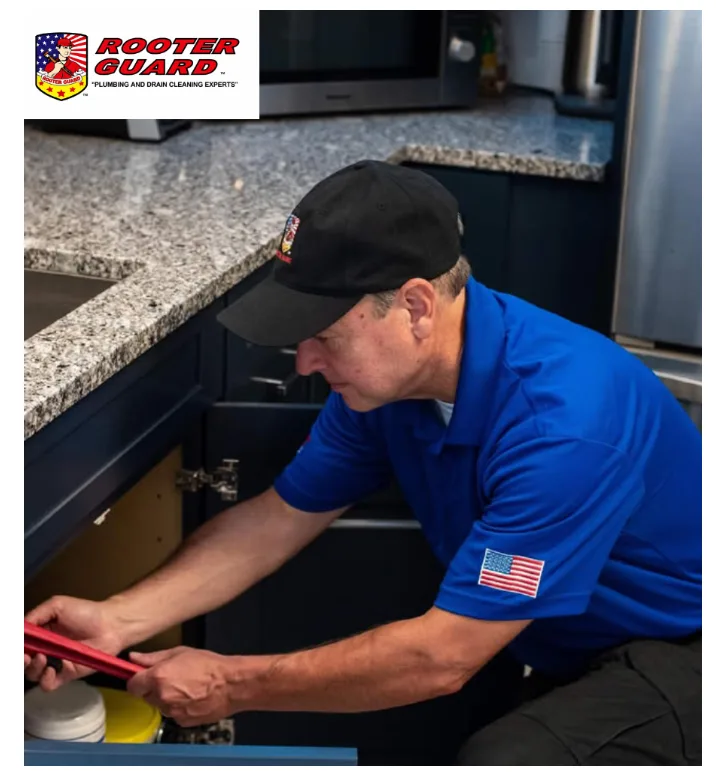
What Happens to Your Home While Water Keeps Flowing
A failed pipe doesn’t pause while you figure out what to do. A burst supply line can push out many gallons every minute, and that water goes wherever it can: down walls, under floors, into cabinets, and across the ceiling below.
Materials soak it up at different speeds. Drywall acts like a sponge and starts to sag and crumble once it’s wet. Wood subfloors swell and warp. Carpet and padding hold water for days. Insulation inside the wall stays wet long after the surface looks dry.
Time matters because of mould. The EPA says you should dry wet materials within 24 to 48 hours to prevent mould growth. After that window, you’re no longer just drying a wall. You’re tearing it out. That is the difference between a repair that costs a few hundred dollars and one that runs into the thousands.
What to Do in the First Few Minutes
Your first job is to stop the water. Find the shutoff valve for the broken fixture, like the small valve under a sink or behind a toilet. If you can’t find the leak, or the valve doesn’t stop it, shut off the main water valve for the whole house. Most homes have it near the water meter, by the street, or where the main line enters the house. Everyone in the household should know where it is before an emergency.
Next, think about electricity. If water is near outlets, appliances, or the electrical panel, switch off power to that area at the breaker, and only if you can reach the panel without stepping in water. If you can’t do it safely, stay out and call a professional.
Then deal with the water you can reach. Move furniture and rugs, lift curtains off the floor, and use towels, a mop, or a wet vac. Open cabinet doors and let air reach wet spots. Take photos and short videos of the damage before you clean, since your insurance company will likely ask for them.
Finally, call a plumber. Don’t wait to see if the problem fixes itself, because it won’t.
How Fast Action Shrinks the Repair
If you catch a leak within minutes, the fix is often a single section of pipe or fitting. The plumber replaces the damaged part, tests the line, and you dry out the area. If the water runs for hours, it can damage drywall, insulation, baseboards, and flooring, and each of those needs its own repair on top of the plumbing work.
If it runs for days, the problem can get worse. Water can seep into the subfloor, travel to rooms below, and set up mould inside walls. At that point, the plumbing repair is only one piece of a much larger job that may involve several trades.
Sewage backups raise the stakes further. Waste-carrying water is a health hazard and needs careful cleanup and prompt professional help. Stay out of the affected area and keep children and pets away.
Small Failures Near Your Kitchen Sink Count Too
Not every failure looks dramatic. A garbage disposal sits under your sink, tucked behind cleaning supplies, and a slow leak there can soak the cabinet floor for weeks before anyone notices. Many homeowners find out only when the cabinet base turns soft or smells musty.
Knowing the signs of garbage disposal failure gives you a head start. Rooter Guard lists the main clues in its guide to signs of garbage disposal failure. The unit trips its reset button often, takes longer to grind food, smells bad even after cleaning, leaks water from the body, or hums without spinning. A leak from the disposal body usually means replacement, since water can reach the electrical parts inside. If you see any of these, check under the sink and call a plumber before the cabinet pays the price.
Plumbing Services Available to Glendale Homeowners
Rooter Guard provides a wide range of plumbing services, with 24/7 emergency assistance for unexpected issues. The team handles leak detection, general plumbing repairs, sewer repairs, water line replacement, repiping, drain cleaning, hydro jetting, camera inspections, gas line services, water heater repairs, and garbage disposal replacement. From locating hidden leaks to repairing damaged pipes and inspecting plumbing systems, homeowners can rely on one experienced team to handle different plumbing needs efficiently.
Questions Homeowners Ask After a Pipe Failure
1. Should I turn off the water even if I’m not sure where the leak is?
Yes. Shutting off the main valve stops the flow while you figure it out. You can always turn it back on.
2. How long do I have before the mold starts to grow?
Mould can begin within 24 to 48 hours on wet materials, so start drying right away and ask a professional whether any walls or floors need to be opened up.
3. Will my homeowners insurance cover the damage?
It depends on your policy and the cause. Many policies cover sudden water damage, while slow leaks and wear aren’t covered. Take photos, keep receipts, and call your insurer as soon as possible.
4. Can I wait until morning if the leak is small?
A small leak can grow without warning. If you can stop it with a shutoff valve, do that first, then book a visit as soon as you can.
Your Next Steps
Find your main water shutoff today, before anything goes wrong. Test it once, and make sure everyone in the house knows where it is. Keep a plumber’s number saved in your phone so you’re not searching in the middle of a flood.
If a pipe has failed or you suspect a hidden leak, call Rooter Guard. A quick visit from a professional plumber in Glendale, CA can stop the water, find the cause, and keep a small problem from becoming a major rebuild. Acting fast costs far less than waiting, so contact a professional plumber in Glendale, CA, as soon as something looks wrong.
