



A strange smell from your vents is often a sign you need AC repair service in Melissa homeowners tend to put off. The odor might be faint at first. Then it gets stronger every time the system cycles on. Smells don’t clear up on their own, and each type points to a different cause.
Musty or Damp Smells
A musty, locker-room smell usually means moisture is sitting where it shouldn’t be. Your evaporator coil pulls humidity out of the air as it cools. The moisture collects in a small tray under the coil, then runs out through a narrow drain pipe. When the line clogs, the pan stays wet. Mold loves that.
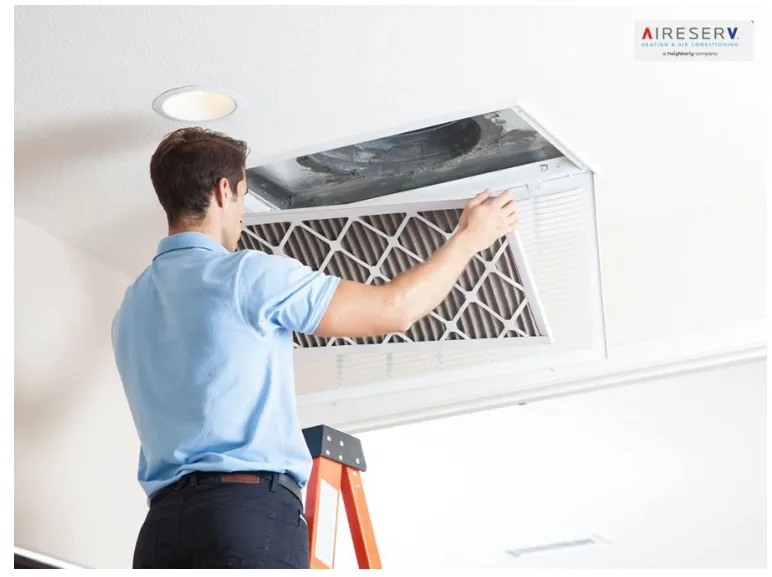
The air filter plays a part too. A filter packed with dust holds moisture and pushes it back into the airflow. Check yours first. It takes two minutes. If it looks gray and furry, replace it and run the system for an hour.
If the smell hangs around, the coil itself may have a film of mold or bacteria on it. Some technicians call this dirty sock syndrome. The fix is a proper coil cleaning and a cleared drain line. A spray of air freshener only covers it up.
Ducts can hold onto smells too. Dust, pet dander, and moisture settle inside them, and the blower sends the odor into every room. If one room smells worse than the rest, suspect the duct run that feeds it. Leaky ducts in a hot attic can also pull in outside air that carries its own odors.
Burning and Electrical Smells
A faint, dusty burning smell can show up the first time you run the AC after a long break. Dust that settled over the off-season heats up and gives off a scorched whiff. That’s normal, and it fades within a few minutes.
A sharp smell like hot plastic is different. People sometimes describe it as fishy. It can come from overheated wiring, a weak capacitor, or a motor under strain. Shut the unit down from the thermostat, then flip its breaker in the electrical panel. Don’t keep running it to see what happens, because electrical faults can start fires.
Smells That Need Fast Action
Rotten eggs mean one thing. Gas utilities add a sulfur-like odor to natural gas so leaks are easy to notice. Get everyone out of the home first, then phone your gas company once you’re outside. Don’t flip switches or use your phone indoors. Call an HVAC technician afterward.
Something that smells like a dead animal is just as unpleasant. A mouse or bird can get into ductwork and die there. Don’t pull ducts apart yourself. A technician can find the spot and clear it.
Some people notice a faint sweet or chemical odor. That may point to a refrigerant leak, which also shows up as weak cooling or ice on the lines. Federal rules require certification to handle refrigerant, so this one is never a DIY job.
What to Do Before You Call
Start with the filter. Most one-inch dirty air filters need changing every one to three months, so check the package for its schedule. After that, peek at the tray beneath the indoor unit, provided it’s easy to get to. Standing water means a clog.
If your system has a drain line access port, many manufacturers suggest flushing it with a cup of white vinegar. Read your owner’s manual before you try it.
Keep vents clear of furniture and wipe dust off the grilles. Then run the system and see whether the smell returns.
Does the odor come back within a day or two? Stop troubleshooting. A repeat smell means the source is deeper than a filter, usually the coil, the drain line, or the ducts. A technician can inspect all three in one visit.
A service visit usually starts with the basics. Expect the tech to begin with the filter, then inspect the coil and its drain tray. The blower wheel gets a look next, since grime builds up there as well. If the ducts are involved, a camera can show where dust or damage is hiding.
Prevention costs less than repair. A yearly tune-up lets a technician clean the coil, flush the drain line, and spot worn electrical parts before summer. Changing the filter on schedule does most of the rest.
