



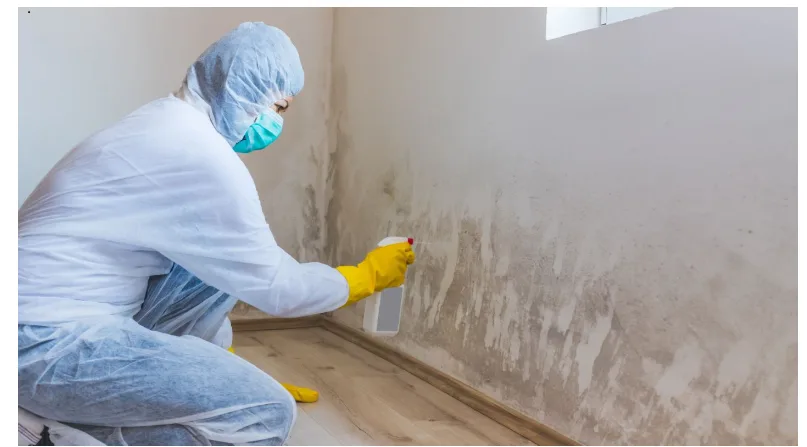
Mold can grow in many homes, often without clear signs at first. It may appear in bathrooms, kitchens, closets, and other damp areas. Sometimes, it even grows behind walls or under floors. As a result, homeowners may not notice a problem until mold has spread. Regular checks can help find these hidden issues before they become more serious.
If you live in Florida, moisture control is especially important. Warm weather, humidity, and heavy rain can create the right conditions for mold growth. Therefore, homeowners should pay attention to leaks, damp areas, and musty smells. Professional Mold Inspection Lakewood Ranch FL services can help identify possible mold problems and find the source of excess moisture.
What Causes Mold to Grow in Homes?
Mold needs moisture and a suitable surface to grow. When these conditions are present, mold can develop on wood, drywall, carpets, and other household materials. In many cases, a small water problem can lead to a larger issue if it remains untreated.
Lakewood Ranch homes may face moisture problems for several reasons. For example, heavy rain can allow water to enter through damaged roofs, windows, or exterior walls. In addition, plumbing leaks and air conditioning problems can create damp conditions indoors.
Common causes of mold growth include:
- Leaking pipes under sinks or behind walls
- Roof damage after heavy rain or storms
- Poor ventilation in bathrooms and kitchens
- High indoor humidity
- Water damage from overflowing appliances
- Damp carpets and furniture after a leak
However, mold does not always grow in places where water is easy to see. It may develop in hidden spaces where moisture stays for long periods. For this reason, finding and fixing the source of moisture is just as important as dealing with visible mold.
Signs That Your Home May Have a Mold Problem
Mold can sometimes be easy to spot. It may look like dark, green, white, or gray patches on a surface. However, its appearance can vary, and not every stain is mold. Therefore, a closer inspection may be needed to understand what is happening.
A musty smell is another common warning sign. If a room smells damp even after cleaning, there may be moisture hidden nearby. Similarly, peeling paint, bubbling wallpaper, and soft drywall can point to water damage.
Watch for these possible signs:
- Dark spots around windows or bathroom tiles
- Musty odors that do not go away
- Water stains on ceilings or walls
- Damp areas near plumbing fixtures
- Repeated condensation on windows
- Signs of past flooding or leaks
Although these signs do not always confirm mold growth, they should not be ignored. Instead, check for leaks and other moisture sources. If the problem continues or appears in a hidden area, a professional inspection may help clarify the cause.
Why Professional Mold Inspection Matters
Cleaning visible mold may seem like a simple solution. However, it does not always address the full problem. Mold may continue to grow if moisture remains in the affected area. In addition, hidden growth can go unnoticed during ordinary cleaning.
A professional inspection looks beyond the visible surface. Depending on the property and the reason for the visit, an inspector may check areas with water damage, examine damp building materials, and use moisture meters or other tools. If needed, the inspector may recommend mold sampling to answer a specific question.
Professional Mold Inspection Lakewood Ranch FL services can be useful when homeowners notice repeated moisture problems or suspect mold behind walls. An inspection can help identify areas that need attention and guide the next steps.
Moreover, an inspection may help homeowners avoid unnecessary work. Instead of removing materials without a clear reason, they can use the findings to decide whether repairs, further testing, or mold removal are needed.
How Mold Can Affect Indoor Comfort
Indoor moisture problems can affect the comfort of a home. Mold growth may also cause health concerns for some people, especially those with allergies or asthma. Possible reactions include sneezing, coughing, a stuffy nose, and eye or skin irritation.
However, symptoms can have many causes, and an inspection cannot determine whether mold is responsible for a person’s health problems. Anyone experiencing ongoing symptoms should speak with a qualified healthcare professional.
Keeping indoor spaces dry is a practical way to reduce the chance of mold growth. For example, repair plumbing leaks quickly and use bathroom exhaust fans when showering. In addition, make sure air conditioning systems drain properly and that indoor humidity stays under control.
The US Environmental Protection Agency generally recommends keeping indoor relative humidity below 60%, ideally between 30% and 50% when possible. A simple humidity monitor can help you check conditions inside your home.
What Happens During a Mold Inspection?
Many homeowners want to know what to expect before arranging an inspection. Although each property is different, the process usually begins with a discussion about the problem.
The inspector may ask whether you have noticed a musty smell, water stains, past flooding, or recurring leaks. After that, they may examine areas where moisture problems are more likely to occur.
A typical inspection may include:
- Reviewing visible signs of moisture or mold
- Checking areas affected by previous water damage
- Examining walls, ceilings, and floors for possible moisture
- Using suitable tools to measure moisture levels
- Recommending sampling when it is useful
- Explaining the findings and suggested next steps
It is important to understand that mold testing is not necessary in every situation. Visible mold and an obvious moisture source may provide enough information to plan the response. In other cases, sampling may help answer a specific question.
After the inspection, ask for a clear explanation of the findings. You should understand which areas need attention, what repairs may be required, and whether further evaluation is recommended.
Simple Ways to Prevent Mold Growth
Preventing mold starts with controlling moisture. While no home can be guaranteed to remain completely mold-free, regular maintenance can lower the risk.
First, repair leaks as soon as you find them. Even a slow drip can keep a cabinet, wall, or floor damp for days. Likewise, clean up water spills quickly and dry wet materials thoroughly.
You can also take these simple steps:
- Use exhaust fans in bathrooms and kitchens.
- Check under sinks for leaks every few weeks.
- Clean and maintain air conditioning systems.
- Keep gutters clear so rainwater drains away properly.
- Inspect windows and doors for water entry.
- Use a dehumidifier when indoor humidity remains high.
- Dry water-damaged areas promptly.
Furthermore, pay attention after storms or plumbing repairs. A wall may look dry on the outside while moisture remains inside. If you suspect hidden water damage, arrange an appropriate assessment rather than waiting for visible mold to appear.
When Should You Schedule an Inspection?
There is no single inspection schedule that fits every home. Instead, consider the condition of your property and any signs of moisture. An inspection may be useful after flooding, a major leak, or repeated water damage. It can also help when a musty smell continues without an obvious cause.
Before hiring a service, ask about the inspection process, the areas covered, and whether you will receive a written report. You should also ask whether mold sampling is included or charged separately. These questions help you understand the service before making a decision.
For homeowners in Lakewood Ranch, acting early can make moisture problems easier to manage. If you notice warning signs, professional Mold Inspection Lakewood Ranch FL services may help you understand the condition of your property and choose suitable next steps.
Conclusion
Mold prevention begins with good moisture control and regular home maintenance. Although mold can grow in hidden places, early attention to leaks, damp materials, and musty odors can help reduce the risk of a larger problem.
If you suspect mold in your home, start by looking for the source of moisture. Then, consider a professional inspection when the cause is unclear or the problem keeps returning. With the right information, you can address moisture concerns, protect building materials, and maintain a more comfortable indoor environment for your household.
