



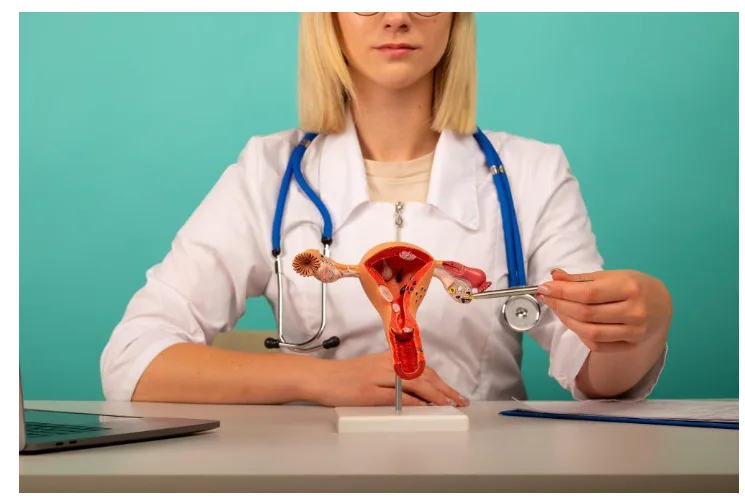
Living with uterine fibroids can feel like a constant negotiation. You manage heavy bleeding, persistent pain, and pressure that disrupts your daily life. For decades, the conversation around a definitive solution often led to one place: a hysterectomy, the surgical removal of the uterus. While effective, it is a major procedure with significant physical and emotional implications. Many people feel pushed toward this option without a full picture of the alternatives.
The most common mistake is assuming this surgical path is the only one. A growing field of interventional radiology offers powerful, less invasive options. Understanding the full landscape of non-surgical fibroid treatment is the first step toward making a choice that aligns with your health goals, fertility concerns, and desired recovery time. The key is to move from a passive patient to an active, informed advocate for your own care.
Quick answer: You can effectively treat uterine fibroids without major surgery, but avoiding common pitfalls is crucial. These mistakes include overlooking key specialists, misunderstanding the limits of “natural” remedies, and failing to ask critical questions about long-term outcomes and recovery.
What’s inside
- Mistake 1: Believing Surgery Is Your Only Option
- Mistake 2: Overlooking the Role of an Interventional Radiologist
- Mistake 3: Confusing “Natural” Shrinkage with Clinical Treatment
- Mistake 4: Not Asking About Recovery and Future Fertility
- How to Properly Evaluate Your Treatment Choices
- Frequently Asked Questions About Fibroid Embolization
- The prevalence of uterine fibroids (e.g., percentage of women affected by age 50).
- The success rate or patient satisfaction rate for Uterine Fibroid Embolization (UFE).
- Data comparing recovery times between hysterectomy and UFE.
- The prevalence of uterine fibroids (e.g., percentage of women affected by age 50).
- Data comparing recovery times between hysterectomy and Uterine Fibroid Embolization (UFE).
What Are the Real Costs of an Incomplete Picture?
Limiting your options to major surgery can mean a longer, more difficult recovery and unnecessary impacts on your body and future plans. Uterine fibroids are incredibly common, affecting a large percentage of women by the time they reach menopause. Yet many are presented with a narrow set of choices, often centered on surgical removal of the fibroids (myomectomy) or the entire uterus (hysterectomy). This limited view overlooks decades of medical progress in less invasive procedures.
The core issue is often a matter of specialty. Your gynecologist is a surgeon, and their expertise naturally centers on surgical solutions. An interventional radiologist, however, is a physician who uses medical imaging like X-rays and ultrasound to perform minimally invasive procedures. They approach the problem not by cutting, but by using the body’s own vascular network, its system of blood vessels, to treat the fibroids from the inside. Without a referral to this type of specialist, you may never learn that these options exist.
❝ A good question to ask your primary doctor is, “Who else should be part of my care team for this diagnosis?” Specifically ask if a consultation with an interventional radiologist would be appropriate to discuss non-surgical pathways. This single question can open up a completely new set of possibilities.
The stakes are tangible, especially regarding recovery. A hysterectomy is a major operation that typically involves a hospital stay and a recovery period of six to eight weeks. In contrast, a procedure like Uterine Fibroid Embolization (UFE) is often done on an outpatient basis, with most people returning to normal activities in about a week. The procedure works by blocking the blood vessels that feed the fibroids, causing them to shrink and die. This preserves the uterus, a critical factor for anyone who may want to consider future pregnancies. Understanding these differences in recovery and fertility impact is essential for true informed consent.
The typical success rate or patient satisfaction rate for Uterine Fibroid Embolization (UFE), which could be linked to a source like the Society of Interventional Radiology or a peer-reviewed study.
How Can You Properly Evaluate Your Treatment Choices?
Proper evaluation requires confirming your diagnosis with detailed imaging, consulting with the right specialists, and asking specific questions about their experience and patient outcomes. It is an active process of gathering information to find a strong fit for your specific condition and life goals. The quality of your questions will directly influence the quality of the care you receive.
First, ensure your diagnosis is comprehensive. While an ultrasound can identify fibroids, an MRI (Magnetic Resonance Imaging) provides a much clearer map. It shows the precise size, number, and location of every fibroid, including whether they are inside the uterine cavity, within the muscle wall, or on the outside surface. This level of detail is not just academic; it directly determines which treatments are most suitable for your anatomy. A provider who suggests a treatment plan without this detailed imaging may be working with an incomplete picture.
Next, you should seek opinions from physicians in different specialties. A gynecologist provides an essential perspective on surgical options. An interventional radiologist offers expertise in minimally invasive, image-guided procedures. Getting input from both is not a sign of indecision. It is a sign of thorough due diligence. You are building a team of advisors, not picking a side. When vetting any physician, confirm they are board-certified in their respective specialty.
Finally, a focused consultation is your best tool. Prepare questions that go beyond the basics of the procedure. The goal is to understand the physician’s specific expertise and what you can realistically expect.
| Question For… | Gynecologist (Surgical Options) | Interventional Radiologist (UFE) |
| Procedure Focus | Myomectomy vs. Hysterectomy | Uterine Fibroid Embolization (UFE) |
| Key Experience Metric | “How many of these specific surgeries do you perform each year?” | “How many UFE procedures have you performed?” |
| Recovery Question | “What is the typical hospital stay and return-to-work timeline?” | “What does the first week of recovery at home involve?” |
| Fertility Impact | “How does this surgery affect the uterine wall for a future pregnancy?” | “What is the data on pregnancy outcomes after UFE?” |
❝ Ask your interventional radiologist about both technical success and clinical success. Technical success means the procedure successfully blocked the target blood vessels. Clinical success means you experienced significant symptom relief. These are two different metrics, and a good physician can discuss both. You can learn more about the procedure and what to expect from the Society of Interventional Radiology, a trusted source for patient information.
A few red flags should prompt caution. Be wary of any provider who dismisses an entire field of medicine without a clear, evidence-based reason. Vague answers to direct questions about experience or complication rates are also concerning. This is your health, and you have the right to clear, specific information before making a decision.
How Does Embolization Actually Work?
The procedure works by blocking the blood supply that allows fibroids to grow, causing them to shrink and soften over time. Unlike surgery, which cuts through tissue to remove the fibroids, Uterine Fibroid Embolization (UFE) uses your body’s own circulatory system as a pathway to treat them from the inside out. It is a precise, image-guided technique performed by an interventional radiologist.
The process begins with a tiny incision, usually in the wrist or groin, to access an artery. The physician then uses fluoroscopy, a type of live X-ray, to navigate a very thin tube called a catheter through your arteries until it reaches the ones supplying the uterus. This part of the procedure is painless. Once the catheter is perfectly positioned, the physician injects microscopic particles, often made of a medical-grade acrylic polymer, into the vessels feeding the fibroids. These particles, called microspheres, are just large enough to permanently block these specific small vessels while leaving the main uterine arteries open. The blood flow is diverted, and without their nutrient supply, the fibroids begin to die and shrink. The entire uterus is preserved.
❝ One of the most important factors for a successful outcome is ensuring all significant blood sources to the fibroids are identified. In some cases, fibroids can receive blood from an ovarian artery in addition to the uterine artery. An experienced interventional radiologist will identify this on your pre-procedure MRI and have a clear plan to address it. Ask your physician if your imaging shows any non-uterine blood supply to your fibroids.
The difference between an adequate procedure and an excellent one often comes down to this level of detail. A less experienced operator might only block the most obvious vessels, potentially leaving smaller ones that allow the fibroids to persist or regrow. A meticulous physician will carefully map the entire vascular network and ensure a complete embolization. This is why verifying a physician’s credentials and experience is so critical. You can confirm that a radiologist is board-certified through organizations like the American Board of Radiology, which helps ensure they have met rigorous standards of training and expertise in image-guided procedures.
Frequently Asked Questions
How do you treat fibroids without surgery? Beyond Uterine Fibroid Embolization (UFE), other methods include hormone-based medications that can temporarily shrink fibroids or MRI-guided focused ultrasound (MRgFUS), which uses heat to destroy fibroid tissue. However, UFE is distinct in its ability to treat all fibroids throughout the uterus at once, regardless of their size or number, through a single minimally invasive procedure.
What is the new treatment for fibroids? While UFE has been a highly effective procedure for over 25 years, ongoing refinements in imaging and embolization particles continue to improve outcomes. Newer techniques like radiofrequency ablation (RFA), where a needle-like device uses heat to destroy individual fibroids, are also gaining traction for specific cases. The “newest” or best treatment for you depends entirely on your specific fibroid characteristics and health goals.
How can I shrink my fibroids naturally? Many people explore diet and lifestyle changes, such as reducing red meat and increasing green vegetables, to help manage fibroid symptoms. While a healthy lifestyle can support your overall well-being, there is currently no strong scientific evidence that these methods can reliably shrink existing fibroids. For significant and lasting size reduction, a medical procedure that directly targets the fibroid tissue or its blood supply is typically required.
How effective is non-surgical fibroid treatment? Effectiveness is best measured by symptom relief, which is typically very high for procedures like UFE. It has a strong track record of resolving heavy menstrual bleeding, reducing pelvic pain and pressure, and alleviating bloating or frequent urination caused by large fibroids. Most patients experience a dramatic improvement in their quality of life within three months as the fibroids soften and shrink.
Is Uterine Fibroid Embolization painful? The procedure itself is not painful, as you will receive sedation and a local anesthetic. However, most patients experience moderate to severe cramping, similar to intense menstrual cramps, for the first 12 to 24 hours after the procedure as the fibroids begin to break down. This post-embolization pain is an expected part of the process and is managed with medication, subsiding significantly after the first day.
What happens to the tiny particles used in embolization? The microscopic spheres used in UFE are made from a biocompatible material that has been used safely in the body for many years. They are permanent and remain lodged in the small blood vessels feeding the fibroids, acting as a permanent roadblock. Your body does not reject them, and they are precisely placed so they do not travel to other parts of your body.
Navigating Your Path to Fibroid Relief
Choosing how to treat uterine fibroids is a deeply personal medical decision, not just a procedural one. The most common misstep is viewing the options through a single lens, whether that of a surgeon or an interventional radiologist. The most effective approach involves stepping back and acting as the project manager for your own health. This means insisting on comprehensive imaging and actively seeking consultations from both specialties to get a complete picture.
Ultimately, your decision rests on a clear understanding of the tradeoffs. You are not simply choosing a procedure; you are choosing a recovery path, a specific set of risks, and a particular outcome for your long-term uterine health and fertility goals. One path may be better suited for a future pregnancy, while another excels at preserving the uterus with minimal downtime. Your goal is to gather the specific, expert information needed to make that choice with clarity and confidence, ensuring the treatment you select aligns perfectly with your life.
About the author
This article is contributed by the clinical team at the Pelvic Pain Institute. The practice is dedicated to diagnosing and treating complex pelvic pain conditions in women using advanced, minimally invasive techniques. Their interventional radiologists specialize in procedures such as Uterine Fibroid Embolization (UFE) to address symptoms from uterine fibroids and pelvic congestion syndrome. The team focuses on uterine preservation and patient education to help women make informed healthcare decisions.
