



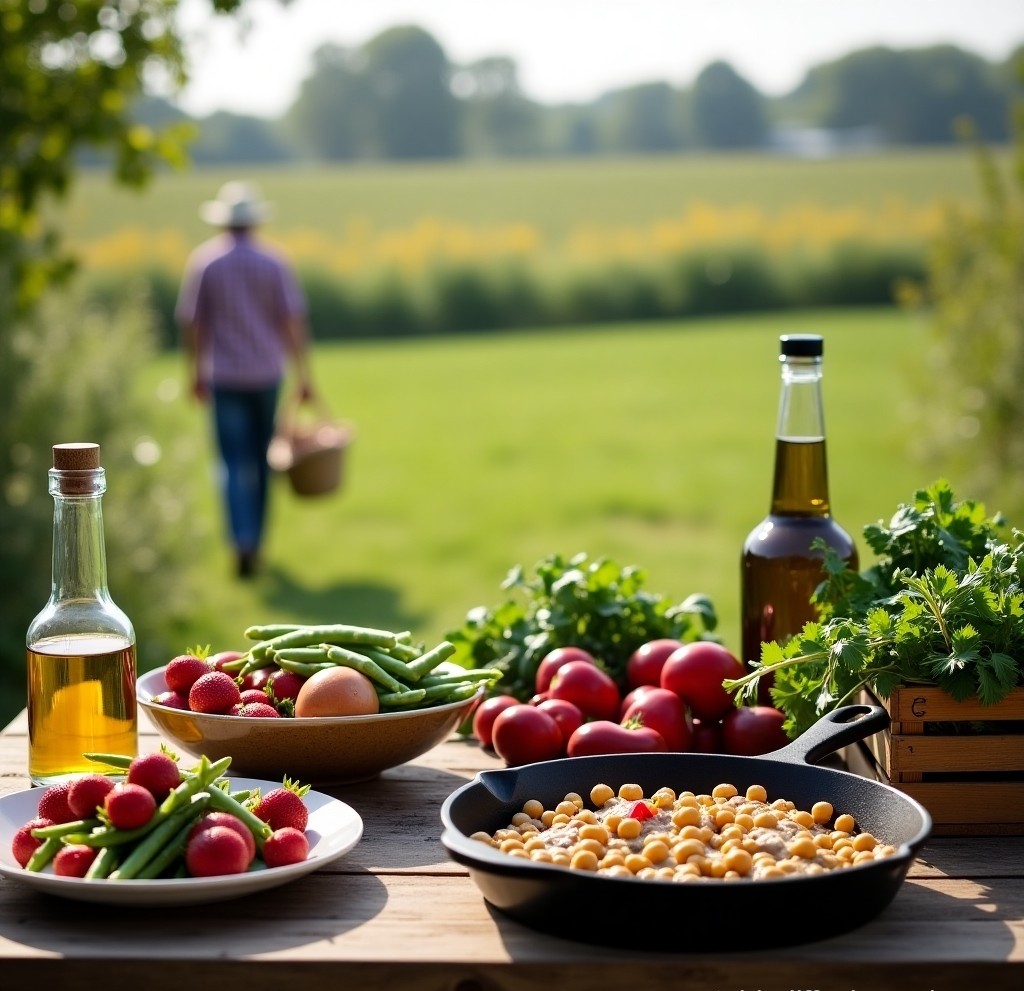
In an age where global supply chains have accustomed consumers to finding strawberries in winter and pumpkins in summer, the concept of seasonal cooking might sound almost revolutionary. Yet more and more chefs, nutritionists, and home cooks are rediscovering the value of eating in sync with the agricultural calendar. This practice, deeply rooted in human history, is making a strong comeback—not only as a culinary trend but as a sustainable model that supports local farming, enhances health, and elevates the flavor of our meals.
What Does Eating Seasonally Really Mean?
Eating seasonally means consuming fruits, vegetables, and other farm products at the time of year when they naturally grow, without relying on high-energy greenhouses or long-distance transportation. In the Northern Hemisphere, May is the perfect time to enjoy asparagus, strawberries, radishes, peas, rhubarb, and fresh herbs like mint and chives.
Though ancient in origin, this approach is a modern solution to climate change, soil depletion, and the loss of agricultural biodiversity.
The Broader Benefits of Seasonal Agriculture
1. Support for Local Farmers
Buying seasonal produce often means buying local. This strengthens regional economies and shortens the food chain, resulting in fresher, less-processed ingredients and better outcomes for farmers.
2. Lower Environmental Impact
Transporting out-of-season produce from faraway places generates a large carbon footprint. Choosing seasonal, local options reduces environmental impact and encourages more sustainable farming practices.
3. Better Flavor and Nutrition
Foods harvested at their peak ripeness tend to contain more nutrients and offer richer flavors. A sun-ripened summer tomato simply can’t compare to a greenhouse-grown winter version shipped across continents.
4. Natural Dietary Diversity
Following the rhythm of the seasons encourages a varied and balanced diet. Nature, in its wisdom, provides what our bodies need at each time of year: hydrating vegetables in spring, refreshing fruits in summer, hearty roots in fall, and immune-boosting citrus in winter.
Modern Chefs Are Turning to Nature
Far from being limiting, seasonality sparks creativity in the kitchen. Renowned restaurants and food bloggers are embracing this philosophy to create menus that evolve monthly. This connection to the land not only enhances the culinary experience but also educates diners about where their food comes from.
A great example of how seasonal produce can inspire easy, flavorful meals is found in this curated list of 25 Best May Recipes for a Fresh & Tasty Spring.
It features a vibrant mix of dishes using spring favorites like asparagus, strawberries, peas, and more—perfect for home cooks looking for easy seasonal recipes.
Mediterranean Chickpea Salad: Healthy, Fresh, and Fast
One of the highlights of the season is this Easy Mediterranean Salad Recipe. It’s a prime example of how seasonal produce and healthy eating go hand in hand.
Packed with fresh vegetables like cucumber, cherry tomatoes, red bell pepper, parsley, and red onion, this salad gets a protein boost from chickpeas and a zesty dressing made from lemon juice, extra virgin olive oil, and cumin. It’s high in fiber, rich in plant-based protein, and full of antioxidants—ideal for a quick and nutritious spring lunch.
Why it works:
- Promotes digestion with fiber-rich ingredients.
- Provides fullness without processed foods.
- Highlights May and June produce.
- Easy to prepare with local, seasonal goods.
Creamy Parmesan Mushroom Chicken: A Cozy Seasonal Main
For those who prefer hot meals, this Parmesan Mushroom Chicken offers the perfect balance of comfort and seasonal flavor.
Sautéed mushrooms, onions, garlic, and fresh thyme blend into a creamy sauce made with milk and Parmesan, transforming simple chicken breasts into a gourmet-level dish that’s still quick and easy to make. This recipe is ideal for weeknight dinners and can be easily adapted to include other seasonal vegetables like asparagus, peas, or baby spinach for added color and nutrients.
Why you’ll love it:
- Combines lean protein with fresh seasonal produce.
- Low-carb friendly.
- One-pan recipe for easy cleanup.
- Versatile depending on local market availability.
This dish proves that seasonal spring cooking isn’t just about salads—warm, hearty meals can also benefit from the freshness and vibrancy of what’s currently growing in your region.
A Social and Environmental Impact
Choosing to eat seasonally is a small act with big ripple effects. By doing so, we are:
- Supporting farmers who take care of the land.
- Promoting a more conscious, transparent food system.
- Teaching younger generations to respect nature’s rhythms.
- Contributing to a fairer, cleaner, and more local food economy.
How to Get Started with Seasonal Eating
You don’t need to be a professional chef or live near a farm to make seasonal cooking part of your routine. Here are some easy ways to start:
- Visit local farmers’ markets or farm stands.
- Use regional produce calendars to guide your grocery list.
- Plan weekly meals around what’s fresh and available.
- Look for inspiration from blogs and recipe sites like All Easy Recipe Box.
Conclusion
Modern cooking is returning to its roots—literally. Embracing seasonal eating isn’t just smart for your taste buds; it’s also better for your health, your community, and the planet. In a world increasingly disconnected from natural cycles, eating with the seasons is a simple way to reconnect, respect, and thrive.
Whether you’re making a chickpea salad with sun-ripened tomatoes or a creamy mushroom chicken enhanced with fresh spring herbs, every dish becomes a bridge between the farm and your plate. And that, without a doubt, is cooking with purpose.
