



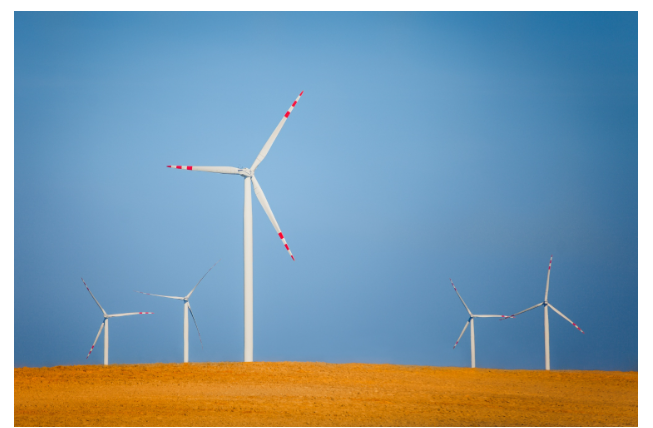
Wind energy is one of the most promising renewable energy sources available today. It is clean, sustainable, and crucial in reducing our reliance on fossil fuels. We will explore wind energy, how it works, and why it is important for a greener future.
What is Wind Energy?
Wind energy is the process of converting wind into electricity. The wind is created by the uneven heating of the Earth’s surface by the sun, which causes air to move from high-pressure areas to low-pressure areas. This natural movement of air can be harnessed to generate power using wind turbines.
How Does Wind Energy Work?
Wind turbines are the key components of a wind energy system. They consist of three main parts:
- Blades: These capture the wind’s energy and start spinning when the wind blows.
- Rotor: Connected to the blades, the rotor spins and transfers energy to the generator.
- Generator: This converts the mechanical energy from the rotor into electrical energy.
Learn more about the integration of wind energy with battery storage and its impact on the renewable energy landscape at Wind Energy.
When the wind blows, it turns the blades of the turbine, which spins the rotor connected to the generator. The generator then produces electricity, which can be used to power homes, businesses, and industries.
Advantages of Wind Energy
Wind energy offers several benefits that make it an attractive alternative to traditional energy sources:
- Renewable: Wind is an endless resource that will never run out.
- Eco-friendly: Unlike fossil fuels, wind energy does not produce harmful emissions or contribute to climate change.
- Cost-effective: Once a wind farm is set up, the operational costs are relatively low.
- Job creation: The wind energy industry creates employment opportunities in manufacturing, installation, and maintenance.
Challenges of Wind Energy
Despite its many benefits, wind energy also comes with a few challenges:
- Intermittent supply: Wind is not always consistent, which means energy production can vary.
- High initial costs: Setting up wind farms requires significant investment.
- Space requirements: Large wind farms need a lot of land or offshore areas.
- Impact on wildlife: Wind turbines can pose risks to birds and bats.
The Future of Wind Energy
As technology continues to advance, wind energy is becoming more efficient and accessible. Governments around the world are investing in wind power to reduce carbon emissions and achieve energy independence. Offshore wind farms, in particular, are gaining popularity due to their potential to generate large amounts of energy without using valuable land.
Conclusion
Wind energy is a strong and eco-friendly way to meet our increasing need for power. By using the power of the wind, we can build a cleaner and greener future. Even though there are some problems to solve, the good things about wind energy are much better, making it very important to switch to clean energy sources.
