



Solar generators have emerged as an efficient and eco-friendly solution for power generation, especially useful in situations where traditional power sources are either unavailable or unreliable. They provide a sustainable way to keep your devices and appliances running, whether you’re at home, camping, or facing a power outage. In this guide, we’ll break down everything you need to know about solar generators, including how they work, key features to consider, and recommendations for the top models available on the market.
What Is a Solar Generator and How Does It Work?
A solar generator combines one or more solar panels and a solar battery. It captures and stores the sun’s energy, which is converted by an inverter from DC (direct current) to AC (alternating current) to power a variety of appliances or home loads. This process involves several key steps:
- Solar Panels Capture Energy: The solar panels harness sunlight and convert it into DC electricity.
- Charge Controller Regulates Energy: The charge controller ensures the battery receives the right amount of voltage and current to prevent overcharging.
- Battery Stores Energy: The solar battery stores the captured solar energy for later use.
- Inverter Converts Energy: The inverter converts the stored DC energy into AC electricity, which is usable for most home appliances.
With solar generators, you can enjoy a clean and renewable source of power while reducing your dependency on the electrical grid.
Key Features to Consider When Buying a Solar Generator
When choosing a solar generator, several crucial factors need to be considered to ensure it meets your needs.
Battery Capacity and Type
Battery capacity, measured in watt-hours (Wh), indicates the energy a generator can store. Choose a capacity that matches your energy requirements. Battery type also matters—Lithium Iron Phosphate (LFP) batteries last longer and provide better safety compared to traditional lead-acid batteries. LFP batteries are ideal for frequent or long-term use, offering reliability and efficiency. Ensure the battery type and capacity align with your specific power needs for optimal performance.

Inverter Rating and Output Ports
The inverter rating determines the maximum wattage the generator can provide. Ensure it matches your devices’ power needs for safe and efficient use. Look for models with multiple output options, such as AC outlets, USB ports, and car power outputs. These features allow you to charge and run various devices simultaneously, offering greater convenience and versatility for outdoor adventures or backup power during emergencies.
Charging Options and Speed
Select generators with multiple charging options, including solar panels, AC outlets, and car chargers, for maximum convenience. Advanced models provide faster recharging by combining solar and AC inputs, significantly reducing downtime. Some can achieve an 80% charge in under an hour, making them ideal for quick power restoration and continuous use in various scenarios, whether at home, outdoors, or during emergencies.
How to Choose the Right Solar Generator for Your Needs
Selecting the right solar generator involves evaluating your power requirements and matching the generator’s features to your intended use.
Assessing Your Power Requirements
Start by listing all the devices you need to power, along with their wattage requirements. Add up the total wattage to determine the generator’s required capacity. For example, powering a refrigerator, a few lights, and charging your smartphone requires a generator that can handle the combined total. Ensuring the generator’s capacity aligns with your energy needs will help avoid overloading and provide reliable power for all your devices.
Matching Features with Intended Use
For home backup, select generators with high capacity and multiple AC outlets to handle larger energy needs. For outdoor adventures or short-term outages, choose portable and lightweight models designed for small devices. Look for advanced features like app-based energy management for easier control and monitoring. By matching the generator’s capacity and features to your specific requirements, you can ensure reliable and efficient power when you need it most.
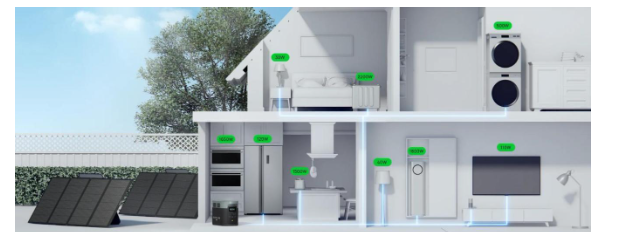
Top Solar Generator on the Market
The EcoFlow DELTA 2 Max Portable Power Station is a versatile and powerful solution for a range of energy needs. Its expandable capacity from 2kWh to 6kWh makes it ideal for home backup, outdoor use, and everyday applications. You can enhance its capacity with up to two DELTA 2 Max Smart Extra Batteries, achieving a total of 6144Wh. Built with LFP battery chemistry, it guarantees durability with 3000 complete cycles, offering up to 10 years of daily use.
This station delivers an impressive 3300W output power in X-Boost mode, capable of running 99% of home appliances, including refrigerators, power tools, and more. It features the fastest AC, solar, and dual AC+solar charging, reaching 80% in just 43 minutes. With 99% MPPT efficiency, it maximizes solar energy capture and conversion. The user-friendly EcoFlow app allows real-time energy management, monitoring input and output, and prioritizing solar or AC charging for a seamless experience.
Conclusion
A solar generator is an indispensable tool for ensuring a reliable power supply in various scenarios, from daily activities to emergency situations. By understanding how solar generators work and what features to look for, you can make an informed choice that fits your specific needs. Consider top models like the EcoFlow DELTA 2 Max for their advanced technology and high efficiency. Make the switch to solar power and enjoy a sustainable, hassle-free energy solution.
