



Choosing the right solar panel system for your home can seem like a daunting task. With many options available, it’s essential to understand key factors that will influence your decision. This guide provides the information you need, from assessing your energy needs to evaluating different types of panels and understanding installation requirements. By the end of this article, you will be well-equipped to make an informed choice that fits your home and lifestyle perfectly.

How to Determine Your Energy Needs
Understanding your energy requirements is the first step towards choosing the right solar panel system. You need to know how much energy your household consumes and the seasonal variations in usage.
Calculate Your Average Energy Use
To calculate your average energy use, review your utility bills for the past year. Add the monthly kilowatt-hour (kWh) totals, then divide by 12 for the monthly average. For instance, if your yearly total is 12,000 kWh, your average monthly usage is 1,000 kWh. This information is crucial for determining the appropriate size of your solar panel system, ensuring it meets your energy needs efficiently. Having an accurate estimate avoids over- or under-sizing your system, optimizing your investment in solar energy.
Identify Seasonal Energy Variations
Seasonal energy demands fluctuate, with winter increasing heating needs and summer driving up air conditioning use. When planning a solar energy system, consider these variations to ensure it meets peak electricity demands throughout the year. A system designed to handle both winter and summer energy usage guarantees reliable performance and maximizes savings in all seasons. By accounting for seasonal changes, you can optimize your solar setup for consistent energy efficiency and cost savings year-round.
Which Solar Panel Type Should You Choose?
Choosing the right type of solar panel is crucial. The three main types are monocrystalline, polycrystalline, and thin-film. Each has its pros and cons.
Monocrystalline vs. Polycrystalline
Monocrystalline solar panels are highly efficient and long-lasting, with efficiency rates of up to 25%. They are made from single crystal silicon, ensuring superior performance. In contrast, polycrystalline panels are composed of multiple silicon fragments melted together. While they are more budget-friendly, their efficiency typically ranges between 15-17%. Choosing between the two depends on your priorities, with monocrystalline panels offering better energy output and polycrystalline panels providing a cost-effective solution for those with smaller budgets.
Thin-Film Solar Panels
Thin-film solar panels are created by applying photovoltaic material onto a substrate. While their efficiency is lower, typically around 10-12%, they offer unique advantages. Their lightweight and flexible design makes them suitable for unconventional installations, such as curved or lightweight structures, where traditional panels may not fit. Thin-film panels are often used in applications requiring portability or adaptability, making them a practical choice for specific needs despite their lower energy conversion compared to standard solar panels.
How to Evaluate Solar Panel Efficiency
Solar panel efficiency determines how much electrical power they generate from sunlight. It’s a key factor in selecting the right system.
Comparing Efficiency Ratings
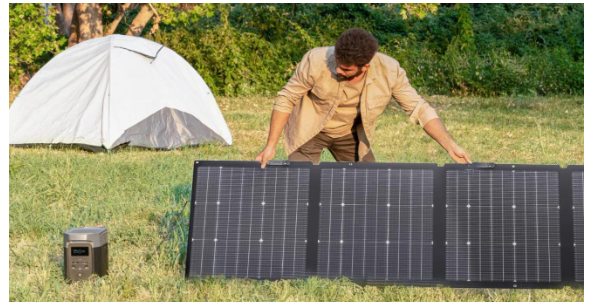
High-efficiency solar panels convert more sunlight into electricity, maximizing energy output. The EcoFlow NextGen 220W bifacial panel, with its 25% conversion efficiency using TOPCon technology, is a prime example. These panels require less space to produce the same power as lower-efficiency options, making them ideal for homes with limited roof space. Over time, their higher performance and energy generation can offset initial costs, offering a cost-effective and sustainable solution for reducing electricity expenses.
Impact of Climate and Temperature
Efficiency varies with climate and temperature, as solar panels perform best in cooler conditions. High temperatures can reduce efficiency, impacting energy output. However, advanced models like the EcoFlow NextGen panel are engineered to withstand heat while maintaining consistent performance. This robust design ensures substantial power generation even in challenging climates, making it a reliable choice for diverse environmental conditions. Investing in temperature-resistant panels helps maximize energy efficiency and ensures consistent results regardless of temperature fluctuations, delivering long-term value and reliability.
Installation Considerations for Your Solar Panel System
Finally, consider installation aspects to ensure your solar panel system delivers optimal performance.
Assessing Your Roof’s Condition
Check if your roof is structurally sound and can handle the weight of solar panels. Assess for minimal shading throughout the day to maximize sunlight exposure. Ensure the roof’s orientation and pitch are suitable for efficient solar energy production. If your roof requires any repairs or reinforcement, complete them before installation to ensure a smooth and long-lasting setup for your solar panels. Proper preparation is essential for optimal performance.
Choosing the Right Inverter and Mounting System
The inverter transforms solar power from DC to AC, making it usable for home appliances. Select a reliable inverter with the right capacity for your system. A sturdy mounting system is equally essential for durability and performance. For instance, EcoFlow NextGen panels feature a 30-60° adjustable angle bracket, ensuring optimal sunlight capture throughout the day and improving overall energy efficiency for long-term benefits.
Conclusion
Selecting the ideal solar panel system starts with understanding your energy needs and exploring the different panel options available. Evaluating efficiency ratings and considering installation factors are also essential to ensure optimal performance. With this knowledge, you can make an informed decision and choose a system that offers reliable, sustainable energy for your home while maximizing long-term savings and environmental benefits. Proper planning and research will help you find a solar solution perfectly suited to your specific requirements.
