



Fire safety is crucial in commercial kitchens. A fire can cause significant damage to property, put lives at risk, and lead to costly repairs. One of the most important components of fire safety is having the right sprinkler system. This article will help you understand what is the difference between wet and dry sprinkler systems, so you can choose the best option for your kitchen.
Choosing the right sprinkler system involves understanding how each type works, what your kitchen needs, and what local regulations require. By learning about the features, advantages, and disadvantages of both wet and dry systems, you can make an informed decision to keep your kitchen safe.
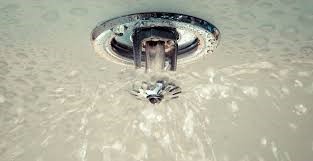
What is a Wet Sprinkler System?
A wet sprinkler system is commonly used in many commercial kitchens. In this system, water is always present in the pipes. When a fire is detected, the system quickly releases water to help put out the flames.
● How It Works
In a wet sprinkler system, the pipes are filled with water at all times. When the temperature rises due to a fire, the heat causes a special bulb in the sprinkler head to break. This allows water to flow out and onto the fire, helping to extinguish it.
Advantages of Wet Sprinkler Systems
● Quick Response
Water is readily available, which helps minimize damage. Quick action can save lives and property.
● Easy to Install
Wet systems are simpler to set up and maintain than dry systems, which can save time and money.
● Lower Initial Cost
Generally, wet systems are less expensive to install compared to dry systems, making them a popular choice for many kitchens.
Disadvantages of Wet Sprinkler Systems
● Risk of Freezing
If the pipes are in an unheated area, the water can freeze. This can lead to system failure and create dangerous situations.
● Potential for Water Damage
Since water is always in the pipes, there is a risk of water damage if the system malfunctions.
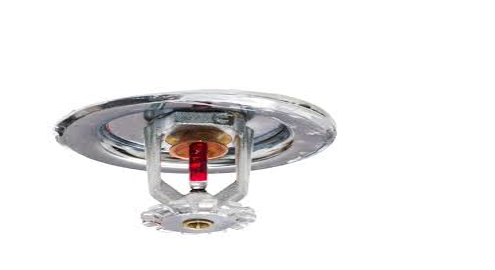
What is a Dry Sprinkler System?
A dry sprinkler system is different from a wet system because it contains pressurized air or nitrogen in the pipes instead of water. When a fire occurs, the pressurized air is released, allowing water to flow into the system.
● How It Works
In a dry sprinkler system, the pipes are filled with air. When a fire breaks out, the heat activates the sprinkler head, which releases the pressurized air. This allows water to enter the pipes and flow out to extinguish the fire.
Advantages of Dry Sprinkler Systems
● Freeze Protection
These systems are ideal for locations that experience very cold temperatures. They prevent freezing issues that could compromise the system’s effectiveness.
● Less Corrosion
Dry systems are less likely to rust or corrode over time, which can lead to lower maintenance costs.
● Suitable for Unheated Spaces
If your kitchen is in an area that isn’t heated, a dry system can be a better option for ensuring fire safety.
Disadvantages of Dry Sprinkler Systems
● Delayed Response
There is a slight delay in getting water to the fire because the air must be released first. This delay can be critical in a fast-moving fire situation.
● Higher Installation Costs
Dry systems often cost more to install and maintain, which can be a concern for businesses on a budget.
Choosing the Right System for Your Kitchen
When deciding between a wet or dry sprinkler system for your commercial kitchen, consider the following factors:
● Environment
Think about where your kitchen is located. If your kitchen is in a climate that gets very cold, a dry sprinkler system might be the better choice. However, if your kitchen is heated, a wet system could be more effective.
● Type of Cooking
Consider the cooking methods used in your kitchen. If you use high-heat cooking methods, like frying or grilling, a wet system can respond quickly to control fires. The faster you can get water on a fire, the better chance you have of stopping it before it spreads.
● Local Fire Codes
Local fire codes may require specific types of sprinkler systems. Always check the regulations in your area to ensure compliance. Consulting with a fire protection company can help you understand what is necessary.
● Budget
Look at your budget carefully. Initial costs for installing a system are important, but you should also consider how much it will cost to maintain it over time. While a dry system may be more expensive to install, it might save money in the long run due to its durability.
● Additional Safety Measures
In addition to a sprinkler system, consider implementing other safety tools. Having a fire extinguisher on hand is essential. Regular checks on how often fire extinguishers need to be inspected ensure they are ready for use in an emergency.
Many kitchens also benefit from first aid inspection services, to handle minor injuries that may occur during cooking or cleaning. This comprehensive approach to safety helps protect both employees and customers.
Making the Right Choice now !
Choosing between a wet and dry sprinkler system for your commercial kitchen involves several factors, including the kitchen’s environment, cooking methods, and local regulations.
A wet sprinkler system provides quick responses to fires but can freeze in cold conditions. In contrast, a dry sprinkler system prevents freezing but may take longer to deliver water. Additionally, consider the risk of a fire alarm randomly going off, which can cause unnecessary panic.
By understanding the differences between wet and dry sprinkler systems, you can make a more informed choice that meets your kitchen’s needs and ensures the safety of your employees and customers.
To ensure you select the best system for your business, consider consulting with fire safety professionals, like those at N8 Fire and Safety. They can help guide you through the options and ensure compliance with all regulations. Your priority should always be fire safety, as it protects not just your business but also the lives of your employees and customers.
