



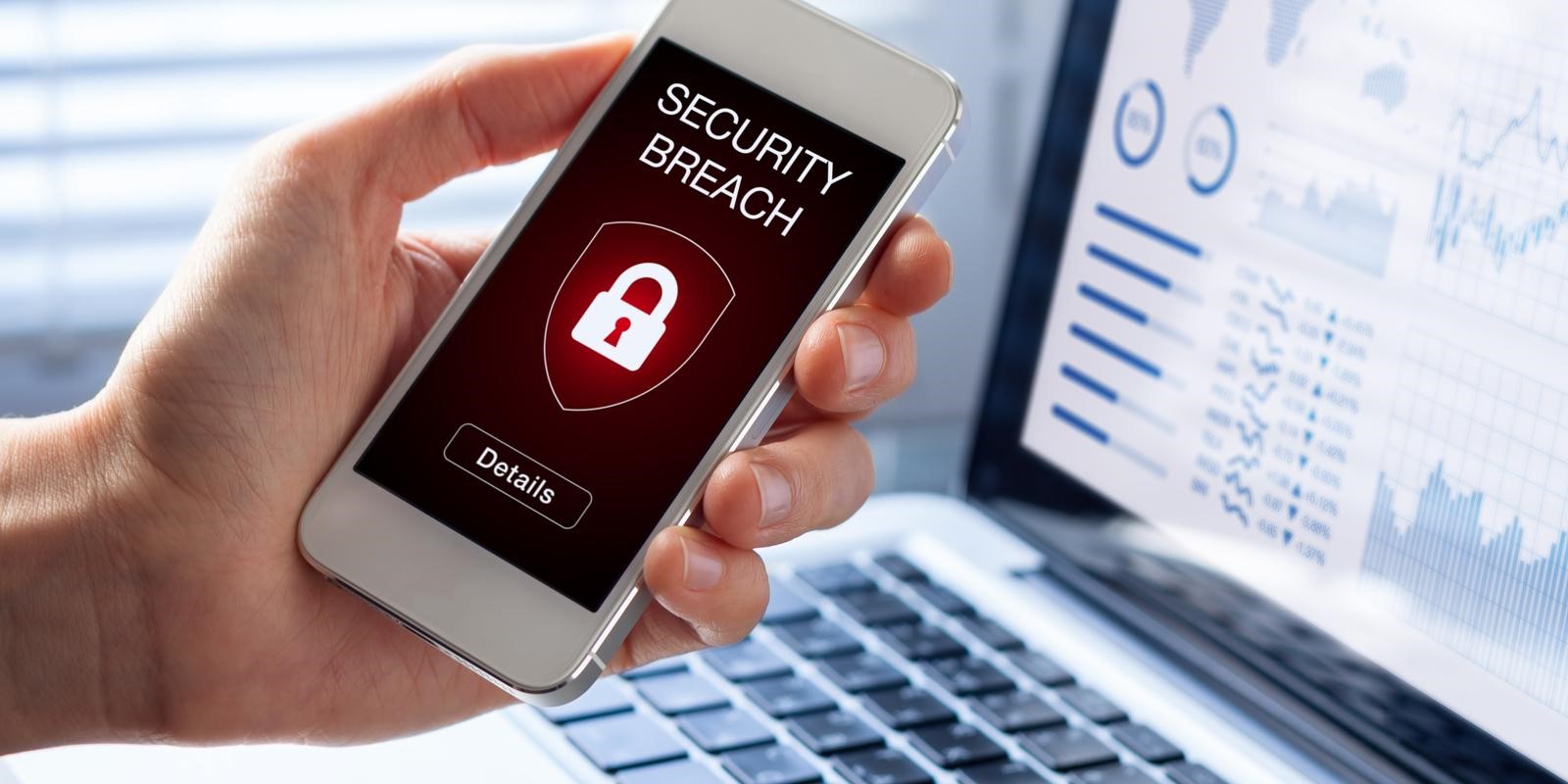
In 2021, 6.378 billion people around the world have their own smartphones. This translates into 80.63% of the world’s population. This number comes as no surprise to many of us as the importance of a smartphone has skyrocketed in the 21st century.
Smartphones have become a staple item for the majority of people. These pocket-sized devices contain a ton of our personal information and important data. Many people use their devices both for personal and professional use, which means that just about your entire life is stored on one little device.
As convenient as a smartphone is, it can also become a danger to us if we don’t take the right precautions. Just like laptops, our smartphones can be the target of cyberattacks. If you’re not careful with your device and you don’t protect it properly, you risk becoming the victim of a cybercrime.
How Can Cybercriminals Breach Your Smartphone?
Our smartphones are at risk of being hacked, very much like our computers are. At the end of the day, they are devices that contain personal information and can be connected to the internet. These elements alone make them a worthy target for any cybercriminal.
Smartphones are susceptible to malicious software (also known as malware). Malware can be installed on your smartphone, which is one of the main methods of cyberattacks that hackers will use. Malware can come in several different forms, from viruses to spyware and even ransomware. It’s important to know the difference as each one is unique in the way it operates. Malware will be used to target your smartphone and help hackers to commit their crimes. Each form of malware is explained in further detail below.
- Viruses – viruses are malicious in nature and unlike their biological counterparts, they do not exist naturally. Computer viruses are programmed with a specific intention in mind. As such, they can be designed to attack smartphones rather than computers. Viruses can come in different forms, however, all of them are dangerous. Some viruses have been designed to corrupt and destroy files, whereas others have been programmed to destroy your entire operating system. Whichever virus is installed on your smartphone, can do a significant amount of damage if you do not take action to remove it from your device.
- Spyware – Spyware is another dangerous form of malware that you need to be aware of. Spyware will completely compromise your privacy, leaving you exposed to the hackers that have installed it on your device. Spyware is able to track the data on your smartphone such as your internet history, login credentials and in some cases even your location. This can give cybercriminals access to your accounts or help them to develop a new cyberattack against your devices. For example, they can use your location to send you more convincing phishing emails by posing as a company that you know and trust in your area.
- Ransomware – the most dangerous form of malware that you can experience is ransomware. This malicious software has caused an estimated $20 billion in damage in 2021 alone. It is estimated that a ransomware attack happens every 11 seconds and it is one of the fastest-growing types of cybercrime. Ransomware is able to encrypt important files or accounts on your smartphone. The encryption will make it impossible for you to open, move or transfer the files until you have paid the ransom fee to the criminals. A single ransomware attack can cost you up to $8000 in damage.
In order to prevent any of the above malware from being installed on your device, you must take action and install the necessary cybersecurity tools on your device. We will cover the best cybersecurity tools that you need for your smartphone later on.
How do You Know if Your Smartphone Has Been Hacked?
It’s important to understand how you can identify a potential cyberattack on your smartphone as it will help you to take the required action as quickly as possible. The quicker you are able to identify a cyberattack and take the steps necessary to protect your device, the less damage can be done.
The first sign that your smartphone is experiencing a cyberattack is abnormal behaviour. This can be defined in a few different ways. One is example is if your phone is suddenly extremely slow. Although this does happen with age, it is not normal for your phone to suddenly become much slower over a short space of time. You may experience lag when you use it, or you may find that it takes much longer to respond to your commands.
Another clear sign that your smartphone is under attack is if you find that there are new applications or files on the device that you didn’t install. You may also find the opposite, files or applications going missing without explanation. This is often caused by a virus and you should take action immediately once you have noticed this.
In some cases, your phone may switch itself off, or become stuck in a boot cycle. A boot cycle is when the phone keeps on restarting itself. This could be another sign of a virus or another type of malware on your device. This is one of the more dangerous signs, as the smartphone will often become unusable whilst this is happening, which makes it difficult to take action against the cyberattack.
Cybersecurity Tools You Need For Your Smartphone
Smartphones are devices that often contain a significant amount of important personal information. This information could be related to our personal or business lives. Either way, keeping this information out of the hands of hackers is crucial as they can commit damaging crimes if they get their hands on this information. For example, they can commit identity theft, fraud or even sell your information on the dark web to other criminals. Below are two of the most important cybersecurity tools you must have on your device.
The first cybersecurity tool to install is premium antivirus software. This is arguably the most important precaution to have in place as the antivirus is able to constantly scan your device for any malicious software. If any malware has been found on your device, the antivirus can take action to remove it. It is critical that you keep your antivirus software up to date. Updates are sent out to fix any flaws that have been discovered in the software and to add extra defensive measures against new tactics that have been developed by cybercriminals to bypass the antivirus.
Another essential cybersecurity tool that you must have installed on your smartphone is a premium VPN. A VPN is able to encrypt your internet connection which will mask what you do online as well as your location by connecting to a global server. This will prevent your smartphone from being breached while you are using insecure networks such as the public WiFi hotspots found at airports, hotels and restaurants. Using a VPN will improve your smartphone’s security and privacy while you browse the internet.
