



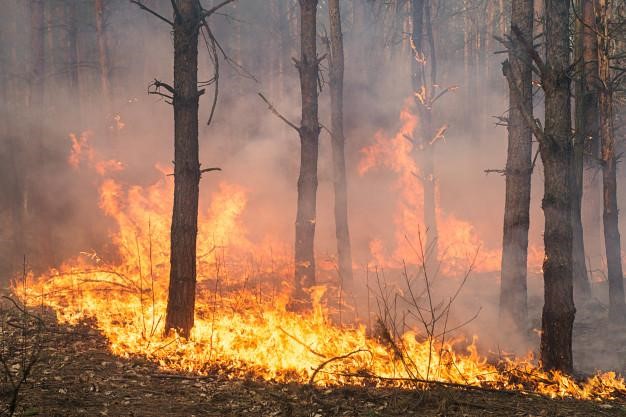
Home insurance rates in Canada are rising rapidly, and the increasing likelihood and severity of climate change-related natural disasters are likely to blame.
A recent survey found that insurance rates for Canadian homeowners have grown 42% in the last decade, while rates in the disaster-prone province of Alberta have increased 140% in the same time period. Premiums are now as high as $1,779 in some parts of the country, fuelled by rising property claims and disasters that have strained insurance companies.
Rising rates are a reflection of the increased likelihood of loss to insurable causes. It’s not just a rise in isolated claims that is causing insurance companies to revisit their rates; it’s mass loss events such as wildfires, floods, and extreme weather.
How to Appeal an Insurance Claim Denial
The increasing costs of climate-related loss to insurance companies don’t just mean higher rates. There are also concerns that insurance companies are doing what they can to deny or limit home insurance claims in the wake of major disasters.
Homeowners dealing with an insurance claim denial should take their claim to an insurance claims lawyer. In Canada, Virani Law helps homeowners make wildfire and flood-related insurance claims and challenge claims that have been denied. In addition to appealing denied claims, they also negotiate with insurers on behalf of homeowners who feel that their costs will not be sufficiently covered by the insurance company’s offer. Legal expertise is often the best remedy to a claim that’s been denied.
Storms, floods, and wildfires result in billions of dollars in insurance claims every year in Canada, while single major events like the Calgary floods or Fort McMurray wildfires can quickly double or triple those costs in a single year.
As insurance companies look for ways to mitigate the risks to their bottom lines, homeowners should know how to dispute an insurance claim denial, especially if they live in an area prone to natural disasters or climate-related loss.
Lower Your Rates without Changing Coverage
If ongoing rate hikes are making insurance premiums unaffordable, there are steps homeowners can take to protect their properties from natural disasters. These measures are known to reduce rates as they mitigate the risks posed by wildfires and flooding:
- Installing a sump pump or backwater valve in your basement that will pump water back out of your home during extreme weather events.
- Clearing vegetation around your home in a five-foot radius, increasing your home’s odds in the event of a wildfire.
- Making landscaping changes that will protect your home, such as planting deciduous rather than coniferous trees, which are more flammable.
- Using impact-resistant roof shingles to protect from hail damage.
- Maintaining good gutter maintenance and downspout positioning to help prevent water damage.
The costs of climate change are being felt by homeowners and businesses already. As insurance companies re-evaluate regional risks, some businesses are being denied insurance coverage altogether, and without government intervention, would drop coverage for homeowners as well. As climate change shifts the insurance industry, homeowners must take steps to mitigate their own risks.
