



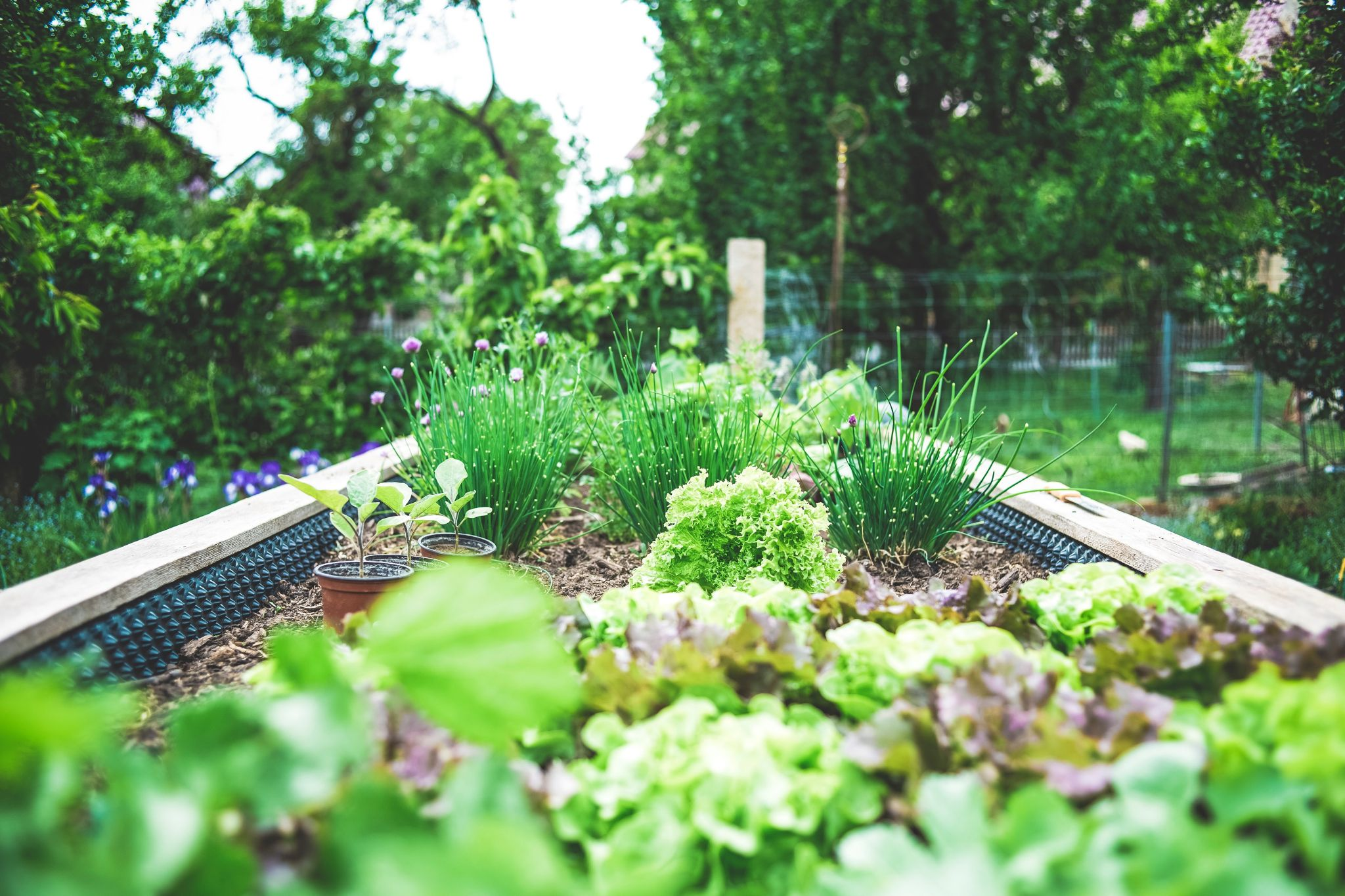
If you have ever lived far from nature, in the middle of an urban jungle, you’ll know the impact that distance can have on your way of life. The typical urban lifestyle tends to go against all of the modern initiatives being introduced to keep us healthy and happy, especially ones that involve getting back to nature – but there is one silver lining: the growing trend of urban gardening is helping city dwellers reconnect with their roots.
What is urban gardening?
Put simply, urban gardening is the process of growing plants – and specifically those which produce food – in a city space. Thanks to gardening enthusiasts around the world, the practice has grown in popularity over recent years, and there are many good reasons to embrace it. From its physical and mental health benefits to the positive impact on the environment, the benefits seem almost too good to be true.
Here are some of the ways plant-lovers around the world have embraced urban gardening practices.
Greenhouses
While the environmental benefits of greenhouses are hardly new knowledge, public-space planters are not always easy to find. Still, implementing a greenhouse is one of the best ways to keep a wide range of plant life in a happy growth mode. The magic of a greenhouse lies in its ability to maintain a consistent temperature, making it possible to grow food and plant life all year round. Needless to say, this is becoming more important as the global climate changes and the population increases, leading to a rise in our global food requirements.
Community gardens
The environmental benefits of gardening are well-known, but when you take part in a larger movement, you’ll have a far greater chance of making meaningful change. For example, simple practices like tending to community gardens have become popular amongst socially-minded activists, creating opportunities for people to swap gardening tips and produce. Beyond the clear human benefits, gardening is also one of the best things we can do to support biodiversity on our planet, for a number of reasons. Not only will it reduce the need for travel and transportation of food, but it will also reduce the impact of ongoing development on animal populations.
Bee apiaries
The bees may not be the first thing to mind in a discussion about gardening, but they are amongst the most important users of garden spaces. Given the important role bees play in our ecosystem, beekeepers are critical to the health of our urban gardens, and nature in general, giving the bees the space to regenerate. With these apiaries in place, urban gardens will become pollination hotspots, and generate more produce as a result – not to mention the impact of wind-transported bee pollination on major crops like wheat and corn.
Aquaponics operations
The ability to grow plants without soil through aquaponics has been a major development for urban communities, enabling city-dwelling people to contribute to the solution even without access to soil.
These future-oriented spaces make it possible for gardeners to grow a wide range of vegetables and keep a tank full of fish healthy, again, without taking up valuable space in the soil.
What are the long-term benefits?
The long-term benefits of taking steps to preserve our planet go far beyond growing food in the backyard. For instance, gardening is known to benefit our mental and emotional health in profound ways, whether it’s as a result of doing something positive and contributing to society, or simply being in nature. By encouraging children to form similar connections with nature, we can create a much-needed sense of hope for the planet and future generations. From a broader environmental perspective, urban gardening is the key to controlling the urban sprawl and maintaining the planet’s natural biodiversity, and grow food in a way that is sustainable for the planet.
How can you get involved?
The beauty of urban gardening is that it places all of the benefits of country living within reach of city people, even when there’s so little soil to be found. Any of the methods mentioned above are perfect options for environmentally-conscious city dwellers, but the movement will always need more room to grow. Start by petitioning the council for the right to use empty public spaces for gardens and growing more plants in your own spaces, and encourage others to do the same.
In a time of emotional strife and confusion across the globe, the importance of green trends like urban gardening cannot be overstated. Even if you’ve yet to get into gardening as a lifestyle, the urban gardening trend is making it easier to embrace the green thumb, so take some time to research and find a method that works for you.
The post What is the Importance of Urban Gardening? appeared first on Financial Market Brief.
