



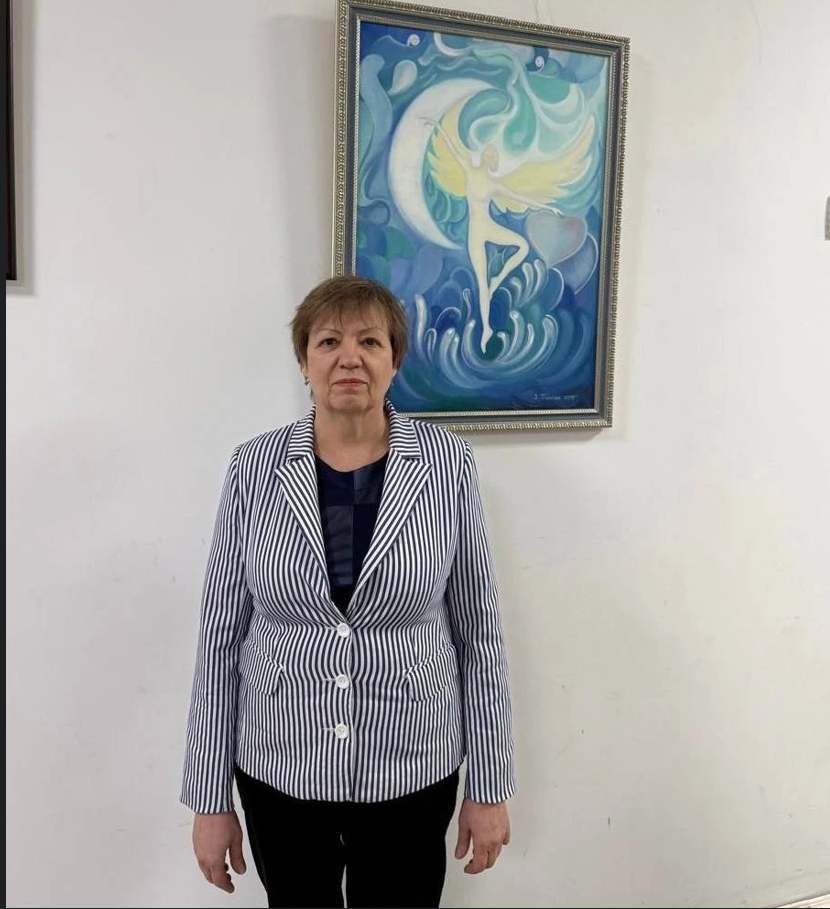
While more small businesses become dependent on marketplace algorithms, logistics expert Lyubov Senina reveals three practical ways to build a business that remains in its owners’ hands.
Online marketplaces are tightening their grip on independent sellers. Amazon’s latest 3.5% fuel surcharge for third-party sellers is a stark reminder of how quickly marketplace operators can reshape the economics of small businesses. Logistics expert Lyubov Senina believes that dependence is neither inevitable nor sustainable. She built the operating model behind Tkaniti, one of Russia’s leading online retailers of Italian fabrics, creating an independent logistics system that allowed the company to scale without surrendering customer relationships to third-party platforms. Drawing on this experience, Senina shares three practical strategies for building a business that stays in its owners’ hands.
Tip №1: Design the Process Before You Automate It
Many entrepreneurs believe technology will make them less dependent on marketplaces. More often, it simply makes inefficient processes run faster. Senina argues that technology should be the final step.
At the online retailer where she oversees logistics, customers buy Italian fabrics by the cut, which makes fulfillment far more complex than simply picking a finished product from a warehouse shelf. With Lyubov leading the logistics transformation, the company examined the entire customer journey and rebuilt the process from order placement through fabric cutting, assembly, and shipping. After several rounds of refinement, her team created a fully automated order management system that has no equivalent on the market. The system allows the retailer to maintain high service standards while keeping operating costs low – a particularly important advantage as the cost of selling through external platforms continues to rise.
“Never automate chaos,” Senina suggests. “First understand how every order moves through your business. Only then should you ask technology to do the work.”
Tip №2: Own the Customer Relationship
Marketplaces are excellent at completing transactions. Lasting businesses, however, are built through relationships that continue after the purchase.
“When a customer places an order, the conversation shouldn’t stop,” Lyubov explains. “Every delivery update, every notification, every interaction is an opportunity to remind people who you are. The stronger your direct relationship with customers becomes, the more resilient your business is – regardless of where the first purchase happened.”
That principle inspired one of the company’s most significant innovations. Senina led the development of a patented parcel-tracking system that allows customers to follow every stage of their order directly through the retailer’s own digital infrastructure. Instead of relying solely on marketplace notifications, the company stays connected with customers throughout the delivery process, creating a more personal experience while strengthening long-term loyalty.
Tip №3: Build Your Own Digital Home
The final step, according to Senina, is giving customers a place to return to that belongs entirely to the business.
The idea is now shaping the company’s next stage of growth. Under Lyubov’s thoughtful control, it is developing its own mobile application, giving customers direct access to new collections, personalized recommendations, order tracking, and customer support in one place.
“Building your own platform is definitely the harder path,” Senina argues. “Selling through large marketplaces is faster and often easier, especially in the beginning. But if you want to build a business that grows on its own terms, you need a place where customers can come directly to you. A marketplace can introduce people to your brand, but your own platform is where long-term relationships are built.”
For Lyubov Senina, logistics is far more than moving goods from one place to another. It is the framework that shapes how a business serves customers, adapts to change, and protects its independence. Her work illustrates how operational excellence can become a strategic advantage, allowing companies to grow while keeping control over the customer experience and their own future. As marketplaces become increasingly influential, that may prove to be one of the most valuable investments a business can make.
