



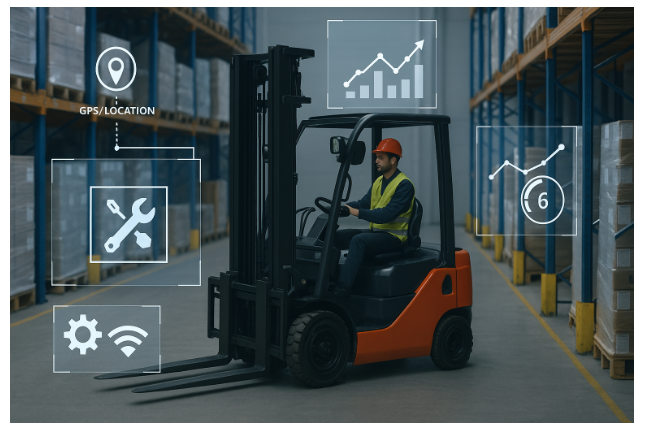
Forklift telematics refers to the integration of telecommunications and informatics to monitor and manage forklift operations in real-time. This technology leverages sensors, GPS, and data analytics to provide a comprehensive view of fleet operations, enabling informed decision-making and strategic planning. By transforming raw data into actionable insights, telematics systems empower managers to make decisions that enhance productivity and efficiency.
Telematics systems bring an unprecedented level of visibility into daily operations. They provide a holistic view of the fleet, allowing for better oversight and control. This level of insight is invaluable in strategic planning, ensuring that resources are used effectively and that operations align with organizational goals. Furthermore, the integration of telematics facilitates real-time communication between operators and managers, fostering a more cohesive and responsive operational environment.
The Role of Asset Management
Asset management is a critical component of telematics systems. These systems provide insights into the utilization and condition of forklifts, allowing managers to optimize their use and extend their lifespan. By tracking usage patterns and maintenance needs, telematics systems help prevent downtime and reduce repair costs, ultimately maximizing return on investment. The ability to predict maintenance needs before they become critical issues is a game-changer in asset management.
Efficient asset management translates into significant cost savings and enhanced operational longevity. By understanding and acting on data-driven insights into equipment utilization and health, companies can avoid costly repairs and replacements. This proactive approach not only extends the life of the equipment but also ensures that assets are always ready for peak performance when needed, thereby supporting continuous operational demands.
Real-Time Location Tracking
One of the most significant advancements in forklift telematics is real-time location tracking. This feature allows for precise monitoring of forklift movements within a facility, ensuring efficient asset deployment and reducing unnecessary idle time. By integrating real-time location systems (RTLS), companies can enhance their fleet management capabilities, leading to improved operational efficiency. The ability to track and analyze movement patterns helps in optimizing workflow and reducing bottlenecks.
Real-time location tracking also contributes to improved safety and accountability within the facility. By knowing the exact location of each forklift at any given time, managers can prevent accidents and ensure that safety protocols are being followed. This level of oversight is crucial in environments where multiple forklifts are operating simultaneously, reducing the risk of collisions and enhancing overall workplace safety.
Enhanced Fleet Management Capabilities
Modern telematics systems offer advanced fleet management features, such as automated scheduling, route optimization, and utilization analysis. These capabilities empower managers to make data-driven decisions that enhance productivity and reduce operational costs. By automating routine tasks and providing actionable insights, telematics systems streamline fleet operations and improve overall efficiency. With enhanced fleet management, companies can achieve a more dynamic and responsive operational framework.
These systems also facilitate better resource allocation, ensuring that each asset is used to its full potential. By analyzing operational data, managers can identify underutilized assets and reassign them as needed. This flexibility in resource management can lead to significant cost savings and improved operational output, allowing companies to remain competitive in a fast-paced market.
Safety and Compliance Monitoring
Safety is a paramount concern in any manufacturing environment. Forklift telematics systems enhance safety by monitoring operator behavior and ensuring compliance with safety protocols. Features such as speed monitoring, impact detection, and access control contribute to a safer work environment. Additionally, telematics systems can facilitate compliance with industry regulations, reducing the risk of costly fines and legal issues.
The ability to monitor and manage safety in real-time is invaluable. It not only protects employees but also safeguards the company from potential liabilities. By ensuring that operators adhere to established safety standards, telematics systems create a culture of safety and accountability. This proactive approach to safety management helps foster a work environment where risks are minimized, and productivity is maximized.
Predictive Maintenance and Diagnostics
Predictive maintenance is a game-changer for asset management. By analyzing data from sensors and historical usage patterns, telematics systems can predict when maintenance is needed, preventing unexpected breakdowns and extending equipment life. This proactive approach reduces downtime and maintenance costs, contributing to a more efficient and reliable fleet. The shift from reactive to predictive maintenance models allows companies to manage their resources better and prevent costly disruptions.
Through predictive diagnostics, companies gain a deeper understanding of asset health, allowing for more strategic maintenance planning. This not only optimizes the maintenance schedule but also ensures that maintenance activities do not disrupt operations. By maintaining equipment at optimal performance levels, companies can improve their operational reliability and ensure that their fleets are always ready to meet demand.
Data Analytics and Reporting
The ability to collect and analyze data is a hallmark of modern telematics systems. These systems generate detailed reports on various aspects of fleet operations, from fuel consumption to operator performance. By leveraging data analytics, managers can identify trends, uncover inefficiencies, and make informed decisions that drive continuous improvement. Data-driven decision-making is central to achieving operational excellence and maintaining competitive advantage.
Comprehensive reporting capabilities enable companies to track key performance indicators (KPIs) and measure their progress against strategic objectives. By continuously monitoring and analyzing performance data, companies can adapt their strategies to meet changing market demands and internal goals. This commitment to data-driven management ensures that operations remain agile and responsive to new challenges and opportunities.
Implementing Forklift Telematics: Challenges and Solutions
While the benefits of forklift telematics are clear, implementing these systems can present challenges, particularly when integrating with existing infrastructure. These challenges must be carefully managed to ensure a successful transition and maximize the benefits of the technology.
Integration with Existing Systems
A seamless integration with existing systems is crucial for maximizing the benefits of telematics. This requires a thorough understanding of both the new technology and the current infrastructure. Working with experienced professionals who can provide tailored solutions is essential for overcoming integration challenges and ensuring a smooth transition. Proper planning and collaboration with IT specialists help mitigate potential disruptions during the implementation process.
The integration process may involve upgrading existing infrastructure or adapting it to accommodate new technologies. This can be a complex undertaking, but with the right expertise, it can be achieved efficiently. Ensuring compatibility between old and new systems is key to maintaining operational continuity and realizing the full potential of telematics solutions.
Overcoming Technical Bottlenecks
Technical bottlenecks, such as connectivity issues and data management challenges, can hinder the effective implementation of telematics systems. Addressing these issues requires a comprehensive approach that includes proper planning, robust infrastructure, and ongoing support. By partnering with experts in location intelligence solutions, companies can navigate these challenges and achieve their digitization goals. Developing a robust support system ensures that any technical issues can be quickly resolved, minimizing downtime.
Investing in reliable IT infrastructure is essential to support the data demands of telematics systems. This includes ensuring that networks can handle increased data traffic and that systems are secure from potential threats. By proactively addressing these technical challenges, companies can ensure the stability and efficiency of their telematics systems, allowing them to focus on leveraging the technology for operational improvements.
Maximizing ROI from Telematics Systems
To maximize return on investment from telematics systems, it’s essential to focus on both short-term gains and long-term strategic goals. Balancing immediate improvements with a forward-looking strategy ensures that companies derive maximum value from their technology investments.
Short-term Gains
In the short term, telematics systems can deliver immediate benefits through enhanced operational efficiency and reduced costs. By automating routine tasks and providing real-time insights, companies can streamline their operations and achieve quick wins. This initial boost in efficiency helps justify the investment and sets the stage for further innovations.
Rapid improvements in operational processes can free up resources, allowing companies to focus on other strategic initiatives. By addressing immediate inefficiencies, companies can quickly improve their bottom line and demonstrate the value of telematics to stakeholders, fostering support for ongoing technological advancements.
Long-term Strategic Goals
In the long run, telematics systems contribute to strategic goals by enabling data-driven decision-making and continuous improvement. By fostering a culture of innovation and embracing digital transformation, companies can position themselves for sustained success in a competitive market. The insights gained from telematics data can guide long-term strategic planning, ensuring that companies remain adaptable and forward-thinking.
As companies continue to evolve, the integration of telematics systems becomes a key component of their growth strategy. By continuously leveraging data insights, companies can refine their operations, improve customer satisfaction, and enhance their competitive positioning. This commitment to leveraging technology for strategic advantage ensures that companies remain leaders in their industry, regardless of market changes.
Conclusion
In conclusion, modern forklift telematics systems offer a comprehensive solution for asset and fleet management. By leveraging features such as real-time location tracking, enhanced fleet management capabilities, and predictive maintenance, companies can enhance operational efficiency, improve safety, and maximize ROI. These systems are not only transformative but essential in maintaining competitiveness in today’s market.
For a CIO of a medium-sized manufacturing company, understanding and implementing these technologies is crucial for overcoming technical challenges and achieving your digitization goals. With the right strategy and support, telematics systems can transform your operations and drive long-term success. By embracing telematics, companies can ensure they are not only keeping pace with technological advancements but also setting the benchmark for industry standards.
