



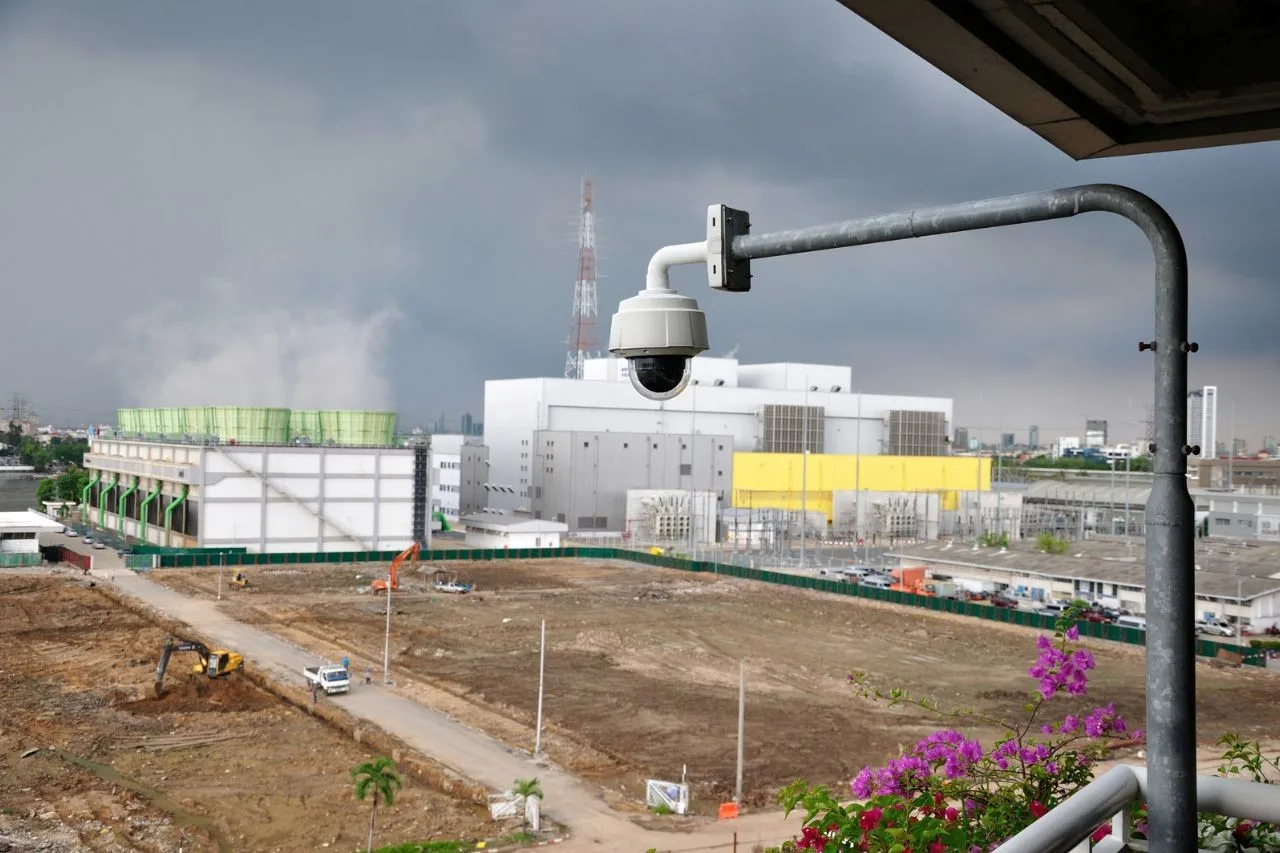
Theft of tools and materials, vandalism, and unauthorised access can affect the construction project. CCTV systems can help site managers observe vulnerable areas, detect any suspicious activities, and view incidents. When choosing CCTV camera systems, the factors to take into consideration include the site power source, layout, lighting, and future surveillance requirements during the construction process.
Solar vs Wired CCTV Camera Systems: Which Is Right for Your Site?
The selection of either solar or wired CCTV camera systems is based on electricity availability and site conditions.
Solar-powered cameras would work better for projects away from electricity sources and areas that are not yet developed or temporary areas where there are no permanent electricity supply facilities. The solar panel charges the batteries even when there is minimal sunshine available. This camera works using the 4G network for internet connectivity.
Wired systems that are connected to a 240 V supply are generally more practical in urban locations, especially when the system is used indoors or in places where there is minimal sun exposure. The power is reliable but requires proper electricity infrastructure.
It is essential to consider the duration of the project, infrastructure, and power needs of the cameras.
What Should You Look for in Construction Site Security Cameras?
When assessing construction site security cameras, consider how each component mitigates a particular site-specific risk.
1. Coverage and camera movement
Panoramic cameras provide coverage of wide spaces with minimal blind spots, whereas PTZ (pan-tilt-zoom) cameras enable adjustments in the viewing angle and zooming in on any movement. The correct choice is determined by the size of the space and its layout.
2. Night vision
It is likely that construction sites will not be watched in the evening hours; therefore, having night vision capability is imperative. With the use of infrared night vision capability, you can monitor in a dark environment. Cameras with the necessary night vision sensors allow for clearer picture recording even in poor light.
3. Number plate recognition
Cameras that are placed at the entrance of vehicles may assist in capturing number plates and tracking the movement of vehicles. Placement of cameras, viewing angles, vehicle speeds, and lighting should be taken into consideration for proper identification. Surveillance videos do not necessarily guarantee readable number plates.
4. Mobile pole mounting
Layouts vary depending on building changes, access roads, and storage space developments. When cameras are attached to mobile security poles, there is an easy way to reposition without having to make a new fixed pole installation.
5. Viewing and Alerts
With remote access, authorized individuals have the ability to view recorded footage through their mobile device or computer. Movement-triggered alerts can highlight activity around restricted areas, but consider regular on-site movement.
6. Continuous monitoring
Decide whether the system allows continuous recording, remote monitoring, or both. Recording is used to record videos for future viewing, whereas monitoring is used by an operator to evaluate alerts. These are two separate features that are often confused.
How Do Solar Security Cameras Help on Remote and Temporary Sites?
The solar-powered surveillance cameras decrease the reliance on the power infrastructure; hence, they are ideal for use in places where setting up power connections is either impossible or costly. With battery packs and a 4G network, they can be used to monitor remote work sites, equipment storage, and other temporary access points.
Choosing a System That Fits the Project
Monitoring the site requires the integration of the strengths of cameras with real-life dangers. When deciding whether to use solar security cameras or a wired CCTV camera system, things like power availability, coverage, connectivity, and potential developments should be considered. Visibility can be maintained even during construction with proper planning.
