



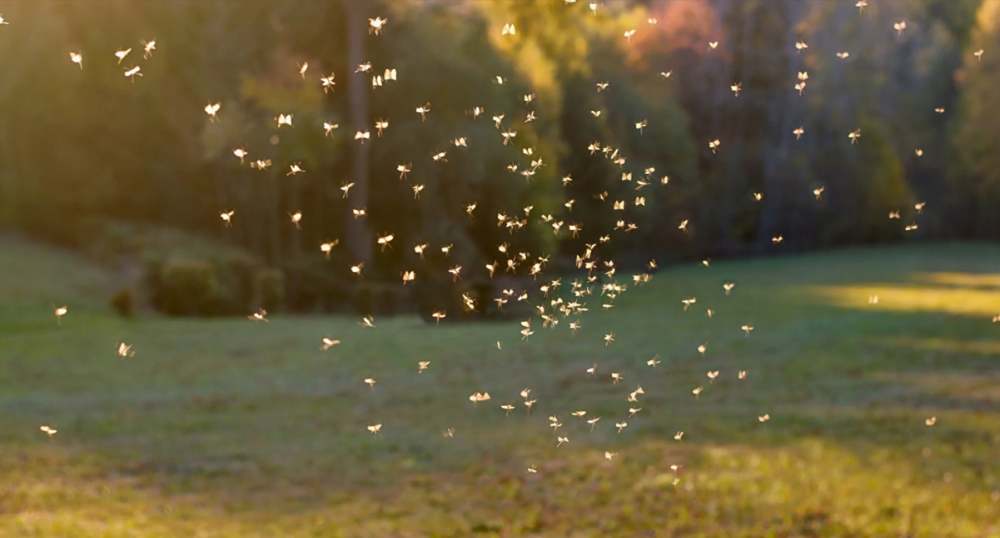
Mosquitoes are more than a backyard nuisance in Dallas. They carry diseases that can lead to serious illness, while other common pests create health risks inside homes, schools, and businesses. The threat is real. In 2025, Dallas County recorded dozens of mosquito samples that tested positive for West Nile virus before officials confirmed the year’s first human infection.
The problem extends beyond mosquito season. Rodents contaminate food, cockroaches trigger allergies, and neglected properties can attract multiple pests. That’s why prevention matters throughout the year.
Local companies such as Forterra Pest Control address these concerns through inspections, targeted treatments, and preventive maintenance. Its Dallas pest control services cover mosquitoes, rodents, cockroaches, and other common pests, giving homeowners practical options for managing infestations before they become harder to control.
West Nile Virus Remains a Public Health Concern in Dallas
Dallas County Health and Human Services confirmed its first human West Nile virus infection of 2025 on July 31. By that date, mosquito surveillance had identified 98 positive mosquito pools across the county. On October 26, officials reported eight human cases, one death, and 245 mosquito traps that had tested positive for the virus.
These findings show why mosquito control requires more than occasional backyard treatments. Infected mosquitoes can circulate in residential neighborhoods even when residents see little mosquito activity around their properties.
The Texas Department of State Health Services reported 168 human West Nile disease cases statewide in 2025. Another 67 cases had been reported in 2026 through September 30, according to provisional surveillance figures.
| West Nile surveillance finding | Reported figure | Reporting period |
|---|---|---|
| Positive mosquito pools in Dallas County | 98 | Through July 31, 2025 |
| Positive mosquito traps in Dallas County | 245 | Through October 26, 2025 |
| Human West Nile cases in Dallas County | 8 | Through October 26, 2025 |
| Human West Nile cases across Texas | 168 | 2025, provisional |
| Human West Nile cases across Texas | 67 | Through September 30, 2026 |
The figures describe different surveillance measures and reporting periods. Positive mosquito samples indicate virus activity, not the number of people infected.
Why Mosquito Bites Can Have Serious Consequences
Most people who contract West Nile virus never realize they were infected. The Centers for Disease Control and Prevention reported in its June 2026 guidance that approximately 80% of infected people develop no symptoms. Around 20% experience illness that may include fever, headaches, body aches, or fatigue. Fewer than 1% develop severe neurological disease.
Older adults and people with certain medical conditions face higher risks of severe illness. There is no licensed human vaccine against West Nile virus, making bite prevention especially important.
Mosquitoes breed in standing water, including neglected containers, clogged gutters, and drainage areas. Dallas residents can reduce breeding sites by inspecting their yards after rainfall and removing unnecessary water sources. Even small containers deserve attention.
Household Pests Create Health Risks Beyond Mosquitoes
Mosquitoes receive considerable attention because of West Nile virus, but indoor pests can also affect public health. Cockroaches produce allergens that can worsen asthma symptoms in sensitive individuals. Rodents may contaminate stored food and preparation surfaces through droppings, urine, and contact with contaminated materials.
These problems can become particularly concerning in apartment buildings, restaurants, and older homes where pests may move between connected spaces.
A single cockroach sighting does not necessarily mean a major infestation. However, repeated activity, droppings, and unusual odors can indicate that pests have established themselves inside a building.
| Common pest | Potential health concern | Typical risk area |
|---|---|---|
| Mosquitoes | West Nile virus transmission | Yards and outdoor spaces |
| Cockroaches | Allergens and asthma triggers | Kitchens and bathrooms |
| Rats and mice | Food contamination and disease exposure | Storage areas, attics, and kitchens |
| Fleas | Bites and possible transmission of certain infections | Pet bedding and animal resting areas |
Recognizing the type of pest matters because different infestations require different solutions. Treating every problem with the same household spray may leave the underlying cause untouched.
Prevention Starts With Better Property Maintenance
Effective pest prevention begins with conditions that attract insects and rodents. Food scraps, exposed garbage, excess moisture, and gaps around buildings give pests opportunities to feed, reproduce, and enter living spaces.
Homeowners should keep outdoor containers dry, repair leaking pipes, maintain window screens, and seal openings around doors and utility lines. Regular inspections are particularly useful in older Dallas properties, where foundations and building materials may create hidden entry points.
Residents outside central Dallas face similar challenges. In nearby Denton County, homeowners can consult local pest control provider listings in Lake Dallas to review available specialists and compare customer feedback before arranging an inspection.
Professional treatment becomes more useful when an infestation persists despite basic preventive measures. Technicians can identify pest species, locate entry points, and recommend targeted treatments instead of relying on repeated applications without investigating the source.
Public Agencies and Residents Share Responsibility
Dallas County’s mosquito surveillance program provides information that individual property inspections cannot. By testing mosquito samples, health officials can detect West Nile activity and direct prevention efforts toward affected areas.
Municipal programs and residential pest management serve different purposes. Public agencies monitor community health threats, while property owners address conditions around their buildings. Both contribute to reducing exposure.
The approach works best when residents report concerning conditions, follow local health advisories, and maintain their properties consistently. Professional pest management can support those efforts through inspections, exclusion work, and treatments selected for specific problems.
Protecting Dallas Communities Through Consistent Prevention
Dallas faces pest-related health concerns that extend from seasonal mosquito activity to year-round indoor infestations. Recent West Nile surveillance findings demonstrate the importance of maintaining public awareness even when the immediate threat seems limited.
Residents do not need to wait for a major infestation to act. Regular maintenance, attention to early warning signs, and professional assessments when needed can reduce exposure and make homes safer.
Public health protection begins with practical decisions at the property level. When those efforts complement local surveillance and community prevention programs, Dallas neighborhoods are better prepared to manage pest-related risks.
