



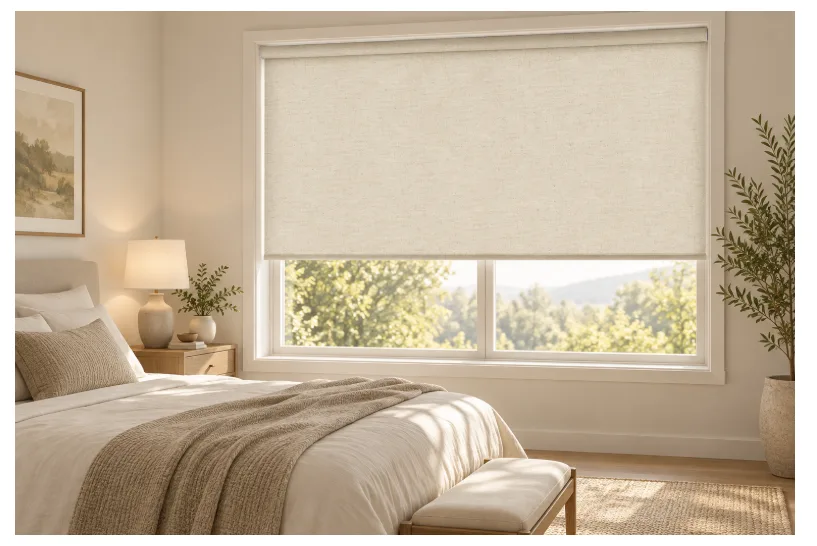
Choosing window treatments is not only about matching your home style. For many homeowners, motorized blinds can make blackout shades more convenient by allowing easier control of light, privacy, and daily routines, especially in bedrooms, large windows, and smart homes. Blackout shades are designed for spaces where controlling sunlight matters, but they are not the right choice for every room.
Before investing, it helps to understand where blackout shades provide the most value, what limitations to expect, and which features make sense for your lifestyle.
Why Homeowners Choose Blackout Shades
The biggest reason homeowners consider blackout shades is better control over natural light. Bedrooms exposed to early morning sunlight, streetlights, or outdoor lighting can feel uncomfortable without proper coverage. A well-fitted blackout shade helps create a darker environment that supports daytime naps, restful sleep, and a more relaxing nighttime routine.
Privacy is another important factor. For homes located near busy streets, neighbors, or apartment buildings, blackout shades provide an extra layer of coverage when fully closed. They help homeowners feel more comfortable using bedrooms, living spaces, and home offices without worrying about outside visibility.
Blackout shades are also useful in rooms where sunlight affects daily activities. In home offices, reducing direct sunlight can help minimize glare on computer screens, while in entertainment areas, better light control can improve the viewing experience.
The Pros and Cons of Blackout Shades
One major advantage of blackout shades is their ability to create a more comfortable indoor environment. They can reduce unwanted brightness during the day, making bedrooms better suited for daytime sleepers, children’s rooms, and spaces where consistent lighting is important.
They are also available in different styles, materials, and operating options, allowing homeowners to choose based on their needs. Some people prefer simple manual shades for smaller rooms, while others choose automated options for larger windows or multiple rooms.
However, blackout shades are not perfect for every homeowner. Because they block most incoming light, some spaces may feel too dark during the day if natural brightness is a priority. Living rooms, kitchens, and dining areas may require a balance between privacy and daylight instead of maximum light blocking.
Another consideration is installation quality. Even high-quality blackout fabric may allow some light around the edges if measurements, mounting style, or window coverage are not carefully planned. Choosing the correct size and installation method is just as important as selecting the shade material.
Which Rooms Benefit Most From Blackout Shades
Bedrooms are often the most common place for blackout shades because sleep quality can be affected by unwanted light. They are especially helpful for light-sensitive sleepers, parents creating a darker nursery environment, or people who work night shifts and need to rest during the day.
For homeowners managing multiple windows or larger spaces, power blinds can provide a more convenient way to adjust shades without manually operating each window covering. This makes them a practical option for bedrooms, home offices, and living areas where daily light control is important.
Home offices are another strong use case. Many homeowners now work remotely and need better screen visibility throughout the day. Blackout shades can reduce reflections on computer monitors while creating a cleaner and more comfortable workspace.
Entertainment rooms can also benefit from blackout shades. Whether watching movies, gaming, or using a projector, controlling outside light helps reduce distractions and creates a more immersive experience.
Smart Features Worth Considering Before Buying
Modern blackout shades offer more than basic light blocking. Homeowners can choose upgrades that match their lifestyle, including cordless operation, automated schedules, remote controls, and smart home integration.
Motorized options are especially valuable for large windows, tall glass doors, or rooms with multiple shades. Instead of adjusting each window individually, homeowners can control several shades at once and create schedules based on their daily routines.
Smart features can also improve accessibility. For older homeowners or anyone with mobility challenges, automated shades reduce the need to manually reach difficult windows. They can also make everyday tasks easier by allowing users to adjust lighting conditions without leaving their seat.
When choosing advanced features, homeowners should consider how often they will use the shades, the number of windows involved, and whether they want integration with existing smart home systems.
How to Decide If Blackout Shades Are Worth It
Blackout shades are worth considering when light control, privacy, and convenience are important parts of your home design. They are a strong choice for bedrooms, home offices, nurseries, and media rooms where sunlight can affect comfort.
For homeowners looking for a cleaner and more automated setup, motorized blinds and other smart shade options can add long-term convenience, especially in homes with large windows or multiple rooms that require regular adjustments.
Before purchasing, think about your room purpose, window size, preferred level of darkness, and how often you want to adjust the shades. A simple manual shade may work well for a small bedroom, while a powered option may provide more value for larger spaces or connected homes.
The best blackout shade is not always the one that blocks the most light. It is the one that fits your daily habits, your room’s purpose, and the level of comfort you want to create.
