



A designer shows a short animation to the people it is meant to represent. Someone says it feels too hurried. Another says the opening makes their work look simpler than it is. Neither person knows the vocabulary of camera movements or editing timelines. Their comments still identify something important.
Access to a video tool is only one part of participation. People also need a way to influence what the video says, how it presents their work and which version is eventually shared. Otherwise, an easier production process can leave the same person making every creative decision.
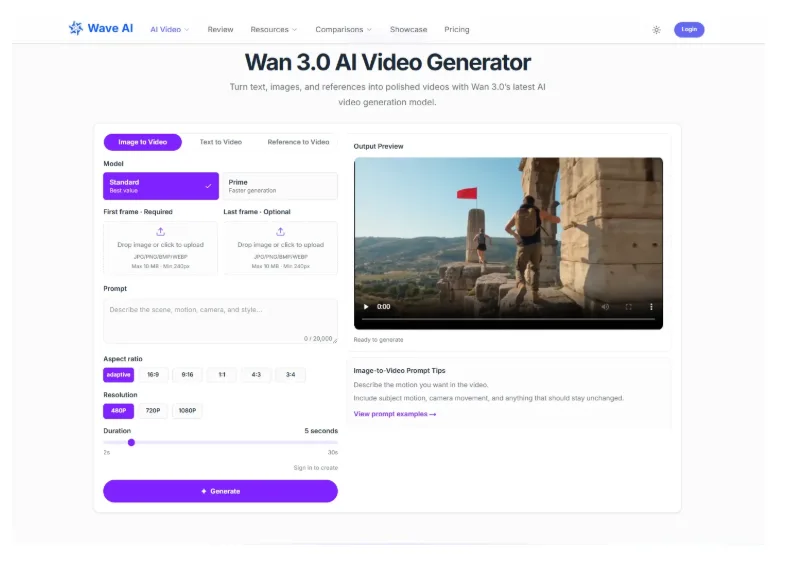
Browser-based generation offers a practical place to explore that problem. The independent platform Wave AI presents Wan 3.0 options for text, image and reference-led video creation. Its published feature set includes clips up to 30 seconds, selectable output resolutions and optional audio generation. Those options give a facilitator several ways to turn a suggestion into something visible. They do not establish that any particular group has used the service or benefited from it.
The opportunity is modest but useful: make an idea concrete enough that someone without production skills can question it. That requires a different conversation from simply asking whether the finished clip looks impressive.
Invite a decision before asking for an opinion
Consider a fictional craft cooperative preparing an introductory video about a collection of woven baskets. The purpose is to help viewers notice the range of shapes and textures. There is no need to invent a workshop, portray its members or simulate the manufacturing process.
One possible opening shows several baskets together. Another starts close to a single texture before revealing the wider collection. Instead of asking a group to approve “the video”, the facilitator can ask which opening better matches what they want people to notice.
That question leaves room for disagreement without requiring anyone to become an editor. A member might explain that variety matters more than the finish of one object. Someone else might feel that the close view invites a more careful look. Either response can change the creative direction.
Keep the first discussion small in scope, not necessarily small in attendance. A specific choice is easier to address than a polished sequence containing music, titles and several scenes that nobody feels able to challenge.
Translate ordinary comments into visible changes
“It feels rushed” could mean several things. The opening might disappear too quickly, the camera might travel too far, or the narration might introduce another idea before the first has landed. The next question should locate the problem rather than dismiss the comment as vague.
A useful exchange has three parts: repeat the comment in the speaker’s own terms, agree on the visible change, and ask what would count as an improvement. For the basket collection, “we cannot see the differences” might become a request for a wider composition and a longer pause before the view changes.
Write that request in plain language. Keep the original comment beside it so that a technical rewrite does not quietly change its meaning. A request for a calmer presentation should not become a request to make the work appear more luxurious or expensive.
Wave AI describes image and reference inputs alongside written direction. These are possible starting points when a participant finds an image easier to discuss than a blank prompt. Only supply materials cleared for the intended external processing and permitted by the platform. A photograph shared for discussion is not automatically cleared for upload.
Make disagreement visible without manufacturing consensus
Two people can reasonably prefer different versions. One wants a direct introduction. Another wants time to look at the material. Generating an alternative may help them understand the choice, but it cannot decide whose priorities matter.
Record what each version is trying to do. A short note such as “show the complete range first” keeps the discussion connected to purpose. “More cinematic” offers much less help when the group later asks why a direction was chosen.
Do not count silence as approval. A participant may have missed the preview, found the device difficult to use or felt uncomfortable disagreeing in front of others. Offer a still-frame summary and a plain-text description of the proposed sequence so that responding does not depend entirely on streaming a video.
This does not require the generator to provide voting or collaboration features. The conversation can happen through an existing meeting, message thread or shared document. The video tool supplies an illustration of the choice; the group supplies the decision.
Give a rejected idea a useful second form
Sometimes discussion reveals that the first concept is wrong rather than merely unfinished. A slow reveal may be attractive but conceal the range of objects. A close-up may emphasise decoration when the intended message is everyday usefulness.
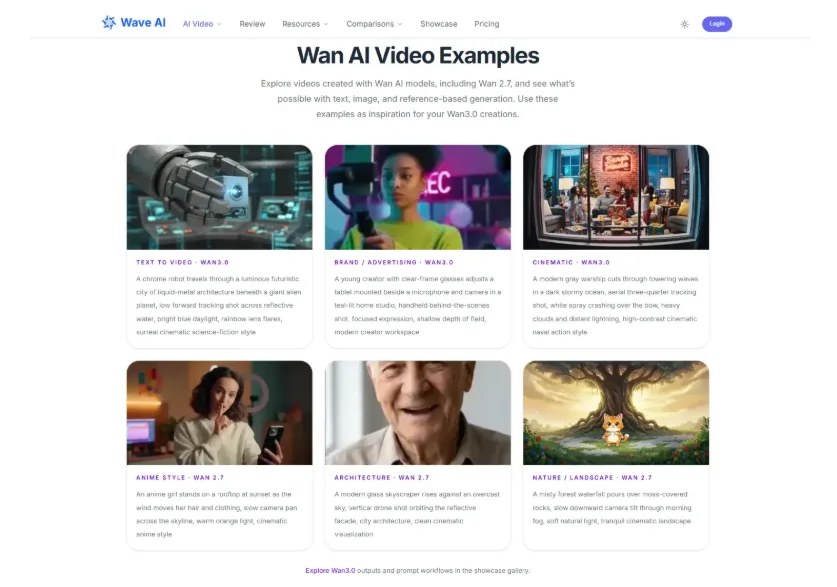
That is a suitable moment for Wan 3.0 text to video: a revised description can explore another arrangement without pretending that the original concept has already been approved. Treat the output as a proposal. Check current access, generation costs and available settings before promising participants multiple versions.
If actual items will be advertised, the published sequence must accurately show what is available. A generated basket with an invented shape, finish or construction detail should not pass as one of the cooperative’s products. Original photographs or real footage may be the right material for the final presentation even when generated imagery helped settle its structure.
For conceptual visuals that could otherwise be mistaken for a real scene, keep an understandable disclosure with the clip. A note that exists only in a planning document will not help someone who encounters the video by itself.
Let the decision survive the meeting
Once a version is selected, send back a short explanation of what changed and what remains unresolved. Include the chosen sequence, its intended audience and the person responsible for the final edit. If a suggestion was not adopted, explain why instead of letting it disappear between drafts.
Audio and captions deserve the same attention. When spoken information matters, provide accurate captions and allow participants to check the wording and pronunciation. Optional audio generation is a production feature, not evidence that every language or cultural reference has been handled correctly.
A worthwhile first use of Wan 3.0 need not produce a complete campaign. It could produce one visual choice that people can meaningfully discuss. Start with an ordinary comment, turn it into a clear proposal, and return the result to the person who raised it. The test of participation is whether their response can still change the outcome.
