



Mastering generative artificial intelligence in 2026 requires far more than just creative inspiration; it demands a deep technical grasp of prompt engineering, model bias, and structural visual orchestration. As commercial standards for AI-generated assets rise across digital marketing, e-commerce, and entertainment, creators can no longer rely on simplistic, random keywords to achieve professional results. High-fidelity visual storytelling requires deliberate directorial control over lighting, camera angles, physical composition, and spatial geometry.
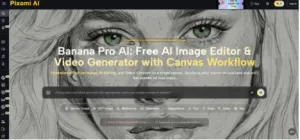
To achieve consistent, photorealistic results that meet strict commercial standards, forward-thinking designers are migrating from basic chat interfaces to unified, node-based creative workspaces. Built upon the powerful foundational architecture originally pioneered by Nano Banana Pro, these integrated visual canvases allow creators to systematically combine top-tier models like FLUX 3 and Midjourney. By mastering the distinct syntax required for each engine within an interconnected workspace, artists can unlock unprecedented visual fidelity and repeatable creative production.
The Evolution of Prompt Engineering in Modern Workflows
Prompt engineering has rapidly transformed from a chaotic guessing game of typing scattered artist names and quality tags into a precise, cinematographic language. In the early days of generative AI, users relied heavily on modifier stacking—such as “trending on ArtStation” or “hyper-detailed 8k render”—to mask the algorithmic shortcomings of immature models. Today, modern generative engines interpret natural language semantics and photographic terminology with astonishing precision, rendering brute-force tag stacking completely obsolete.
This maturation means that digital creators must approach AI prompt design much like professional directors and cinematographers. Defining the exact focal length of a virtual lens, specifying the depth of field, articulating volumetric lighting parameters, and describing physical material textures now directly determine the output fidelity. When these precise technical instructions are deployed within a node-based canvas, prompts cease to be volatile experiments and become predictable, modular instructions for asset generation.
Furthermore, structuring prompts methodically within a visual workflow eliminates the costly trial-and-error cycle that plagues traditional generation interfaces. Instead of endlessly rolling the dice across dozens of isolated attempts, creators can systematically isolate subject definitions, environmental cues, and stylistic modifiers into distinct functional blocks. This structured approach guarantees that the resulting visual assets maintain exact commercial alignment while dramatically slashing the time spent on manual post-processing.
Understanding Model Nuances: FLUX 3 vs. Midjourney
Before crafting complex prompts, understanding the underlying behavioral differences between leading generative models is paramount. Midjourney continues to reign supreme in atmospheric, painterly, and evocative stylization. Its core algorithm has a natural bias toward aesthetically pleasing compositions, rich color grading, and dramatic lighting schemes, making it the definitive engine for conceptual worldbuilding, artistic mood boards, and stylized illustrations.
In stark contrast, FLUX 3 operates as a precision engine engineered for hyper-photorealism, strict spatial logic, and flawless typography integration. It interprets complex spatial instructions and anatomical relationships literally without introducing unwarranted artistic embellishments. When a commercial brief requires crystal-clear brand text on packaging, perfectly rendered hands, or exact perspective geometry for product mockups, FLUX 3 delivers unmatched accuracy and structural fidelity.
The Macro Cinematic Syntax
When executing commercial product showcases or intricate surface texture visualizations, the macro cinematic syntax instructs the model to prioritize micro-level details. This prompt structure is particularly effective when routed through FLUX 3, delivering crisp focus on tactile materials while organically softening the background.
Extreme macro photography, razor-sharp focus on [Subject/Product], shot on 100mm macro lens at f/2.8, soft directional rim lighting, subtle subsurface scattering, realistic surface imperfections, neutral studio gradient background, photorealistic 8k –ar 16:9
The Volumetric Portrait Syntax
For character-driven branding and social storytelling, the volumetric portrait syntax establishes dramatic depth through sophisticated chiaroscuro and atmospheric haze. Midjourney interprets this syntax brilliantly, producing portraits that feel alive with cinematic presence and emotional depth.
Cinematic medium close-up portrait of [Character Description], dramatic chiaroscuro lighting, volumetric fog, rim light separating subject from dark backdrop, shot on 35mm anamorphic lens at f/1.4, lifelike skin texture with natural pores, cinematic color grading –stylize 250
The Architectural Lifestyle Syntax
Staging interior design concepts or environmental lifestyle assets requires explicit spatial anchoring and lighting balance. This syntax balances natural sunlight with indoor ambient illumination, ensuring the environment feels balanced and commercially inviting.
Wide-angle architectural interior photography of [Scene/Setting], floor-to-ceiling windows with soft morning sunlight streaming in, realistic volumetric rays, minimalist modern furniture, natural ambient reflections, 24mm lens, deep depth of field, 8k resolution –ar 16:9
Workflow Hacks for Character and Product Consistency
Maintaining strict visual identity across multiple scenes and advertising formats has historically been the greatest hurdle in generative AI. By leveraging the advanced structural integration inherited from Nano Banana Pro, creators can finally bypass the randomness of isolated prompting. The platform’s infinite canvas allows designers to lock essential character features, product geometries, and color schemes while dynamically altering contextual settings.
The optimal workflow starts by establishing a neutral, high-resolution master asset in the initial generation node. Instead of repeatedly writing lengthy character descriptions for every subsequent frame, you connect this master asset node directly into an AI Consistent Character or Image-to-Image transformation node. You then provide a localized prompt that only details the new action, angle, or background environment, ensuring the underlying facial geometry remains completely stable.
This node-based consistency framework empowers agencies and independent creators to build cohesive, narrative-driven campaigns with complete confidence. An e-commerce brand can easily place their flagship product across diverse seasonal holiday themes, or a social media manager can develop an ongoing episodic storyline featuring an AI influencer, without suffering from the facial warping or stylistic drift common in linear tools.
Leveraging Batch Generation and Multi-Model Routing
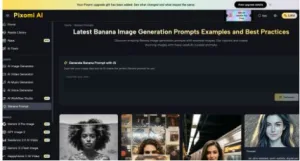
Developing high-performing prompt templates is only half the battle; deploying them at scale across multiple creative formats is where a unified canvas delivers immense leverage. By connecting a single text prompt node to multiple generation endpoints simultaneously, content teams can execute instant A/B tests across different model architectures. You can evaluate how a specific prompt renders in FLUX 3 versus Midjourney on the exact same screen, choosing the best version without switching tabs.
Furthermore, branching visual nodes enable designers to append distinct artistic styles to a single base generation in parallel. An art director can route an approved product composition into a photorealistic commercial node, an anime-inspired marketing node, and a 3D isometric render node all at once. This multi-model routing drastically accelerates client exploration, transforming weeks of mood board prototyping into a matter of minutes.
Mastering Visual Direction in the AI Era
Mastering prompt syntax on an integrated AI canvas marks a profound evolution in modern digital content production. As underlying generative models become increasingly sensitive to cinematography, lighting physics, and architectural principles, a creator’s ability to articulate clear visual direction becomes their most valuable commercial asset. Generative tools are no longer passive toys, but sophisticated digital cameras waiting for an experienced director.
By leaving behind unpredictable chatbox generation and adopting structured prompt blueprints within a unified node-based workspace, you gain absolute mastery over your creative pipeline. Whether producing high-conversion e-commerce assets, cinematic video pre-visualizations, or expansive advertising campaigns, structured prompt orchestration unlocks unmatched visual quality, brand consistency, and operational scale for 2026 and beyond.
