



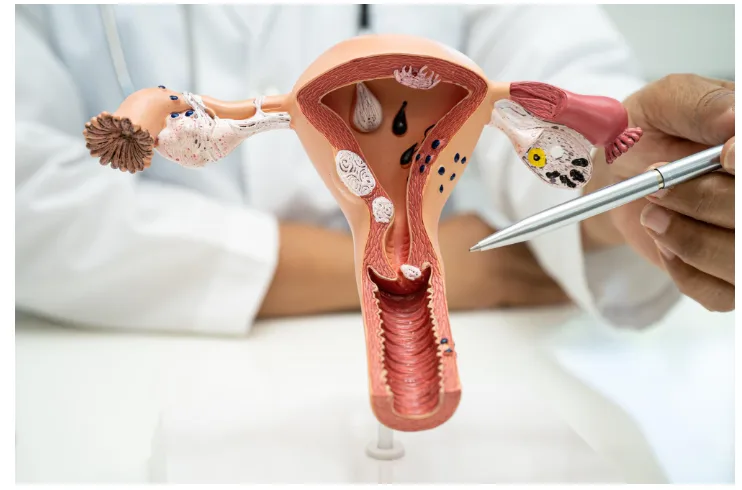
Living with symptomatic uterine fibroids can feel like a constant negotiation. The heavy bleeding, pelvic pain, and pressure can disrupt your daily life, career, and well-being. For decades, the most definitive treatment often involved a hysterectomy, a major surgery with a long recovery period. This left many feeling they had to choose between ongoing symptoms and a significant medical intervention.
Fortunately, medical advances have created another path. A minimally invasive option now exists that targets the fibroids directly without requiring major surgery. Understanding the full uterine fibroid embolization procedure can provide a clear alternative for managing symptoms and reclaiming your quality of life. The technical success rate is high, with the Society of Laparoendoscopic Surgeons reporting that embolization of the uterine arteries is successful in over 98% of patients. This high rate of success translates directly into relief for patients.
The goal is not just to perform a procedure, but to resolve the symptoms that affect you most. According to data published by the *Canadian Family Physician*, between 79% and 94% of patients report improvement in their symptoms within three months. This level of relief, combined with a much shorter recovery than traditional surgery, is why the procedure has become a critical option in fibroid treatment.
Quick answer: Uterine Fibroid Embolization (UFE) is a minimally invasive, image-guided procedure performed by an interventional radiologist. The specialist uses a catheter to deliver tiny particles that block the blood vessels feeding the fibroids, causing them to shrink and die. This typically resolves symptoms like heavy bleeding and pain without surgical removal of the uterus.
What’s inside
- How Does UFE Actually Work?
- What Does the Recovery Timeline Look Like?
- Is the Procedure Effective in the Long Term?
- Who Is a Good Candidate for This Treatment?
- What Are the Real Risks and Side Effects?
- Frequently Asked Questions About UFE
How Does UFE Actually Work?
This procedure stops fibroid growth by blocking the blood vessels that feed them, causing them to shrink and symptoms to fade. An interventional radiologist, a physician who specializes in minimally invasive, image-guided treatments, performs the procedure without major incisions. Using real-time X-ray imaging called fluoroscopy, the specialist guides a very thin tube, or catheter, through your blood vessels to the arteries supplying the uterus.
Once the catheter is in place, the specialist injects tiny, sand-like particles into the arteries that nourish the fibroids. These particles, known as embolic agents, flow into the small vessels and wedge themselves in place, cutting off the blood supply. This process is highly targeted. The healthy uterine tissue continues to receive blood from other sources, but the fibroids, which are highly vascular, are effectively starved. Over the following weeks and months, this lack of blood flow causes them to soften, shrink, and die.
The physical results of this process are significant. Data from a study in Canadian Family Physician shows a mean reduction in the dominant fibroid volume of 40% to 83% within three months. It is this dramatic shrinkage that directly alleviates the most common and disruptive symptoms, such as the feeling of pelvic pressure or a visibly enlarged abdomen. The body then gradually reabsorbs the inactive fibroid tissue over time.
This reduction in fibroid size translates directly into a better quality of life. The ultimate goal is symptom resolution, and the procedure is highly effective in this regard. According to an analysis in Seminars in Interventional Radiology, approximately 75% to 90% of women who undergo the treatment experience a significant improvement or complete resolution of their fibroid-related symptoms, particularly heavy bleeding and pelvic pain.
❝ Ask your interventional radiologist about the type and size of embolic particles they plan to use. While different particles have similar success rates, a physician’s ability to explain why a specific choice is right for your fibroid size and location demonstrates a high level of expertise and personalized care.
What Qualifications Should a UFE Specialist Have?
The procedure’s success hinges on the expertise of the interventional radiologist and the capabilities of the medical facility. You should look for a physician who is board-certified in Interventional Radiology (IR) and has substantial, specific experience performing this exact procedure. This specialization is critical because it combines diagnostic imaging with minimally invasive treatments. An experienced specialist has navigated a wide range of patient anatomies and potential challenges, which contributes directly to safety and effectiveness.
A key indicator of proficiency is a high success rate. For instance, a review in the Journal of Clinical Medicine found the technical success rate, meaning the successful catheterization and embolization of the target vessels, was 97%. Achieving this level of precision requires deep familiarity with the procedure. During your consultation, it is reasonable to ask about the physician’s case volume and their personal outcomes. A transparent specialist will be prepared to discuss their experience and what you can expect.
The facility itself also plays a role. Many of these procedures are now performed in dedicated outpatient vascular centers. These centers are often designed for efficiency and patient comfort, allowing you to return home the same day. When evaluating a facility, ask if it is accredited and what type of imaging and monitoring equipment is used.
❝ A thorough consultation is not just a formality. It is where the specialist should review your imaging, like an MRI, to confirm your fibroids are the source of your symptoms. They should clearly explain why you are a good candidate. If this conversation feels rushed or generic, that can be a significant red flag.
To help guide your conversation with a potential provider, consider asking these specific questions:
| Evaluation Area | Key Question to Ask | Why This Is Important |
| Credentials | Are you board-certified in Interventional Radiology? | This certification confirms specialized training in image-guided procedures. |
| Experience | How many UFE procedures do you perform annually? | High volume is often associated with greater proficiency and better outcomes. |
| Outcomes | What is your personal rate for major complications? | This demonstrates transparency and helps you understand their specific track record. |
| Technology | What kind of embolic agent do you typically use and why? | This shows they tailor the approach to the patient, not just using a one-size-fits-all method. |
Is the Procedure Effective in the Long Term?
Yes, for the vast majority of patients, the results are durable and provide lasting relief from fibroid symptoms. The goal of the procedure is not a temporary fix but a long-term solution that avoids more invasive surgery. Studies confirm this durability over many years. For example, research published in the Journal of Clinical Medicine found that 73% of patients who underwent the procedure for adenomyosis, a related condition, had sustained clinical improvement and avoided a hysterectomy at a follow-up of up to 7 years.
A common question is whether the fibroids can grow back. The treated fibroids do not. The embolization process cuts off their blood supply, causing the tissue to die, a process called infarction. This tissue is then gradually broken down and reabsorbed by the body. While it is theoretically possible for new, different fibroids to grow years later, the significant symptom relief from the treated fibroids is considered permanent. This is why patient satisfaction rates remain high long after the procedure.
The most critical long-term consideration for many is the impact on fertility and future pregnancies. While pregnancy is possible after the procedure, the data suggests it carries increased risks. This is a vital topic to discuss in detail with your physician before making a decision.
❝ A key part of the long-term discussion involves your plans for future pregnancies. The procedure can affect the uterine wall and blood supply in ways that impact a developing pregnancy. According to information from the National Library of Medicine, about 20 out of 100 women who become pregnant after embolization have a miscarriage. If preserving fertility is your highest priority, you must weigh this risk carefully against the benefits of symptom relief.
From a safety perspective, the long-term risk profile is very low. Most complications that do occur happen within the first 30 days. The Society of Laparoendoscopic Surgeons notes that less common but serious complications, such as uterine infection or nontarget embolization (where particles block blood flow to the wrong area), happen in less than 1% of cases. This makes it a highly reliable procedure with a well-established safety record over decades of use.
Frequently Asked Questions
How painful is fibroid embolization? During the procedure itself, you will not feel pain due to sedation and local anesthetic at the catheter insertion site. The most significant discomfort is cramping, which typically begins during or shortly after the procedure and can be intense for the first 12 to 24 hours. This pain is managed with patient-controlled analgesia and oral medications, and it subsides significantly after the first day.
Are you awake during fibroid embolization? Yes, you are typically awake but in a state of “twilight sedation,” also known as conscious sedation. This means you will be very drowsy, relaxed, and unable to feel pain, but you will not be unconscious as you would be under general anesthesia. You can breathe on your own and may be able to respond to simple questions from the medical team.
Is fibroid embolization a major surgery? No, it is considered a minimally invasive procedure, not major surgery. The key differences are the lack of a large surgical incision, the use of conscious sedation instead of general anesthesia, and a much shorter recovery period. Most patients can go home the same day and return to normal, non-strenuous activities within about a week.
Do you lose weight after uterine fibroid embolization? The procedure does not cause metabolic weight loss, but you may notice a reduction in abdominal size and bloating. Very large fibroids can add physical bulk and weight, and as they shrink significantly, your abdomen may become flatter and you may feel lighter. Any weight change is due to the reduction of the fibroid mass itself, not a loss of body fat.
Can I still have children after UFE? While many successful pregnancies have been reported after the procedure, it is not the recommended first-line treatment for those who wish to preserve fertility. The procedure can potentially affect blood supply to the uterine lining or the uterine wall itself, which may increase the risk of complications like miscarriage or issues with placental attachment. You should have a detailed discussion about your family planning goals with your physician before proceeding.
The Bottom Line: A Personal Decision
Choosing how to treat uterine fibroids is a significant medical decision, but it does not always require major surgery. Uterine fibroid embolization offers a fundamentally different path. It is a targeted, minimally invasive procedure that addresses the source of the problem by cutting off the fibroids’ blood supply, leading to lasting symptom relief for most women. Understanding this mechanism is the first step toward evaluating if it is the right approach for you.
The success of the procedure depends heavily on the skill of the interventional radiologist. Your decision should be guided by a thorough consultation where your specific case is reviewed, and your questions are answered with transparency. The most effective path forward involves a specialist who not only has a high technical success rate but also takes the time to align the treatment plan with your personal health priorities.
Ultimately, the choice hinges on your individual circumstances and future goals. For many, the procedure provides a durable solution that avoids hysterectomy and restores quality of life. For others, particularly those prioritizing future pregnancy, the potential risks require careful consideration. The right choice is the one that best fits your body, your symptoms, and your vision for the future.
About the author
This article was contributed by the clinical team at Pedes Vascular Institute, a specialized medical practice located in Irvine, California. Their physicians are board-certified specialists in interventional radiology and vascular medicine, focusing on minimally invasive, image-guided treatments. The practice addresses a wide spectrum of arterial and venous conditions, including uterine fibroids, peripheral arterial disease, and non-healing wounds, utilizing advanced procedures in a dedicated outpatient center. More information about their services is available at pedesvascular.com.
