



Starting Streetwear Without Wasting Money
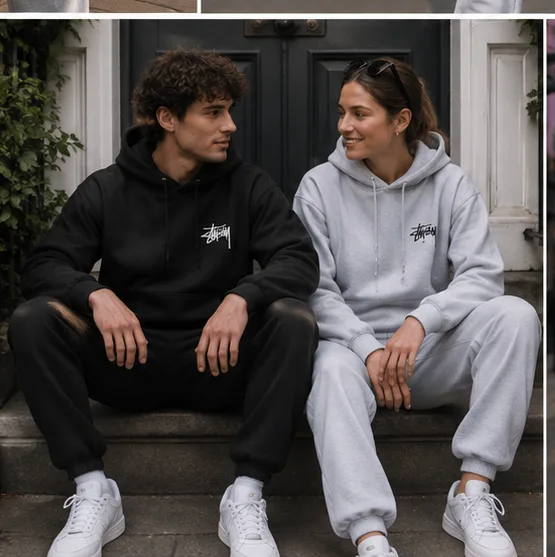
Getting into streetwear feels overwhelming at first, and that’s completely normal. There are hundreds of brands, wild price tags, and loud opinions everywhere you look. So let’s slow it down. If you’re building your first real wardrobe, Stussy is one of the smartest places to begin. It’s affordable enough to experiment with, yet it carries decades of genuine skate and surf culture behind it. I started my own collection with a single logo tee years ago, and I still wear that same style today. Because the brand keeps things simple and durable, beginners rarely regret their first buy. That matters when you’re spending your own cash. Meanwhile, plenty of trendier labels burn through your budget and look dated within a season. This guide keeps everything plain and practical, so you learn what actually matters before you spend. No hype, no pressure. Just the stuff I wish someone had told me when I was standing confused in a shop, holding two hoodies and no clue which one to pick.
Picking Your Very First Piece
Choosing that first item shouldn’t feel stressful, so here’s how I’d approach it. Start with something you’ll wear constantly, not a flashy piece you’ll save for special days. A plain logo hoodie or a clean graphic tee works perfectly as a foundation. Because these basics pair with almost anything, they earn their spot fast. Think about your daily life too. If you’re mostly casual, a hoodie makes more sense than a statement jacket right away. My honest opinion? Skip the boldest print on your first buy. You’ll get more wear from something versatile. Meanwhile, save the loud designs for later, once you know your style better. Color matters as well, so lean neutral at the start black, grey, cream, or navy. These shades mix into any outfit without clashing. Furthermore, a neutral base lets you add louder pieces gradually without your closet turning chaotic. So resist the urge to grab the wildest thing on the shelf. Trust me, that restraint pays off when you’re getting dressed on a rushed morning and everything you own actually works together nicely.
Getting The Size And Fabric Right
Sizing trips up almost every beginner, so let’s sort it out clearly. This brand runs relaxed, meaning roomy through the chest and shoulders without swallowing you whole. Want it snug? Size down one. Love that loose skate look? Stay true or size up. Here’s a handson detail worth remembering: the heavier hoodies shrink roughly half an inch in length after a hot wash, so cold water keeps your fit exactly right. Fabric quality separates good buys from bad ones, and checking it takes seconds. Run through these before you commit:
- Feel the cotton weight heavier fabric wears longer and pills far less.
- Check the cuff and hem stitching for tight, even seams.
- Press the print lightly; quality screen prints flex instead of cracking.
- Flip it inside out and scan the seams for loose, messy threads.
Those four quick checks tell you almost everything about whether a piece will last. Furthermore, the habit carries over to every brand you shop later, so it’s worth building now. Take your time with it.
Building Outfits From One Piece
Once you own that first item, styling it stays refreshingly simple. Pick one focal piece and keep everything else calm around it. A graphic tee sits best with plain jeans and clean sneakers. A logo hoodie layers over shorts when it’s mild, or under a jacket when the cold rolls in. Because the design already carries personality, you don’t need three loud items competing at once. That’s the classic beginner trap. Instead, let one thing lead and build quietly around it. My preference leans toward a neutral hoodie as the anchor, since it truly goes with everything I own. Meanwhile, when I want energy, I let a single bold tee handle that job alone. Layering adds real depth too, so try a tee under an open shirt or a hoodie beneath outerwear. Suddenly a plain fit gains shape and interest. So trust one focal point, keep the rest understated, and you’ll look pulled together every single time. It sounds almost too easy, yet that restraint is exactly what separates a sharp outfit from a busy, tryhard mess that fights with itself.
Knowing When To Level Up
Eventually you’ll want to expand beyond the basics, and that’s a good sign. Once your foundation feels solid, you can start exploring pricier, more detailed pieces. This is where luxury streetwear enters the picture, sitting far above everyday brands on both craft and cost. If you’re curious about that world, the collection at Chrome Hearts shows how heavyweight cotton, gothic detailing, and handfinished touches push streetwear right upmarket. Before you jump, though, weigh a few things honestly:
- Master the basics first nail fit, fabric, and styling before spending big.
- Luxury pieces reward wearfrequency, so buy what you’ll genuinely use.
- Craftsmanship costs more, but exclusivity and detail justify it for some.
- Your budget should lead the decision, not hype or a passing trend.
So don’t rush the jump. A strong everyday base makes any future splurge feel earned rather than reckless. Build your foundation, learn what you actually love wearing, and then level up slowly. That patient approach keeps your closet coherent and your spending sensible instead of scattered across regretful impulse buys.
Caring For Your Gear Properly
Good clothing lasts when you treat it right, and streetwear is no exception. Wash cold, turn graphics inside out, and skip the dryer whenever you can. Because heat destroys both prints and cotton fibers, airdrying keeps colors deep and stops that slow fade. It takes longer, sure. Still, the payoff shows years down the road. I linedry every graphic piece I own, and those prints stay crisp long after friends’ tumbledried versions crack. Meanwhile, folding beats hanging for heavy hoodies, since hangers stretch the shoulders over time. Store them flat in a drawer instead. One more lesson from experience: wash new dark items separately for the first few cycles, because heavy dye loves bleeding onto lighter fabric. After that the color sets and you’re safe to mix. So handle your gear gently, and it’ll outlast trend after trend. That care is the whole reason buying decent quality beats chasing cheap throwaway pieces you’ll replace within months anyway.
Avoiding Fakes As A Newbie
Fakes target beginners hardest, so learning the signs protects your money early. Start with price. If a deal looks impossibly cheap, it almost always is, and that instinct rarely lies. Next, study the logo closely. Real printing sits clean and evenly spaced, while knockoffs botch the font weight or placement. Check stitching too, because genuine pieces use tight, consistent seams with no threads dangling from the cuffs. Furthermore, fabric weight exposes fakes fast; real cotton feels solid in your hand, whereas cheap copies feel thin and papery the second you lift them. Tags help as well. Authentic labels print crisply and sew in straight, not crooked or fraying. Honestly, once you’ve handled a couple of real pieces, the fakes start feeling obvious the moment you touch them. So slow down, buy from sellers you trust, and inspect everything before paying. A careful few minutes upfront beat a wasted purchase and a painful return. As a beginner, this single habit will save you more heartache than any style tip.
The Honest Limitations To Expect
I won’t pretend the brand suits everyone, because that wouldn’t help you. Here’s my honest limitation: the pricing lands in an awkward middle spot. It costs more than fast fashion yet doesn’t reach true luxury, so some beginners feel unsure whether the jump is worth it. That’s a fair concern. Also, hyped drops sell out quickly, and restocks aren’t promised, which frustrates anyone chasing one specific piece. Meanwhile, the relaxed fit won’t please every body; if you strongly prefer slim, tailored cuts, this style may feel too loose no matter how you size. So it’s genuinely not a universal pick. Still, for a first real streetwear brand durable, versatile, and culturally grounded it delivers well above its price. Just walk in aware of the tradeoffs rather than chasing hype blindly. That cleareyed approach means your first buy actually makes you happy, instead of leaving you secondguessing why you spent the money at all. Knowing the downsides upfront is half the battle won.
Final Words
Starting a streetwear wardrobe doesn’t need to be confusing or costly. Stussy makes a smart first step because it’s durable, easy to style, and built on real culture rather than empty hype. Chrome Hearts waits at the luxury end for when you’re ready to level up. So begin with versatile basics, learn to check fabric and fit, and care for each piece properly once it’s yours. Do that, and your closet grows sharp and coherent over time without draining your wallet. That’s the beginner path I’d recommend to anyone.
FAQs
What should my first Stussy piece be?
Start with a versatile basic a plain logo hoodie or clean graphic tee in a neutral color. You’ll wear it constantly.
Does Stussy run big or small?
It runs relaxed. Size down one for a snug fit, or stay true and size up for that loose skate look.
How do I stop my hoodie from shrinking?
Wash it cold and airdry it. The heavier hoodies can shrink about half an inch in length after a hot wash.
When should I move to luxury brands like Chrome Hearts?
Once your basics feel solid and you know your style. Luxury pieces reward buyers who’ll actually wear them often.
How do I avoid buying a fake?
Check price, logo printing, stitching, and fabric weight. Real pieces feel substantial with clean seams; fakes feel thin and sloppy.
