




Beauty professionals often spend many hours standing, walking between treatment stations or working in a fixed position. For this reason, salon owners increasingly focus on ergonomics, hygiene and practical solutions that can support employees throughout the working day.
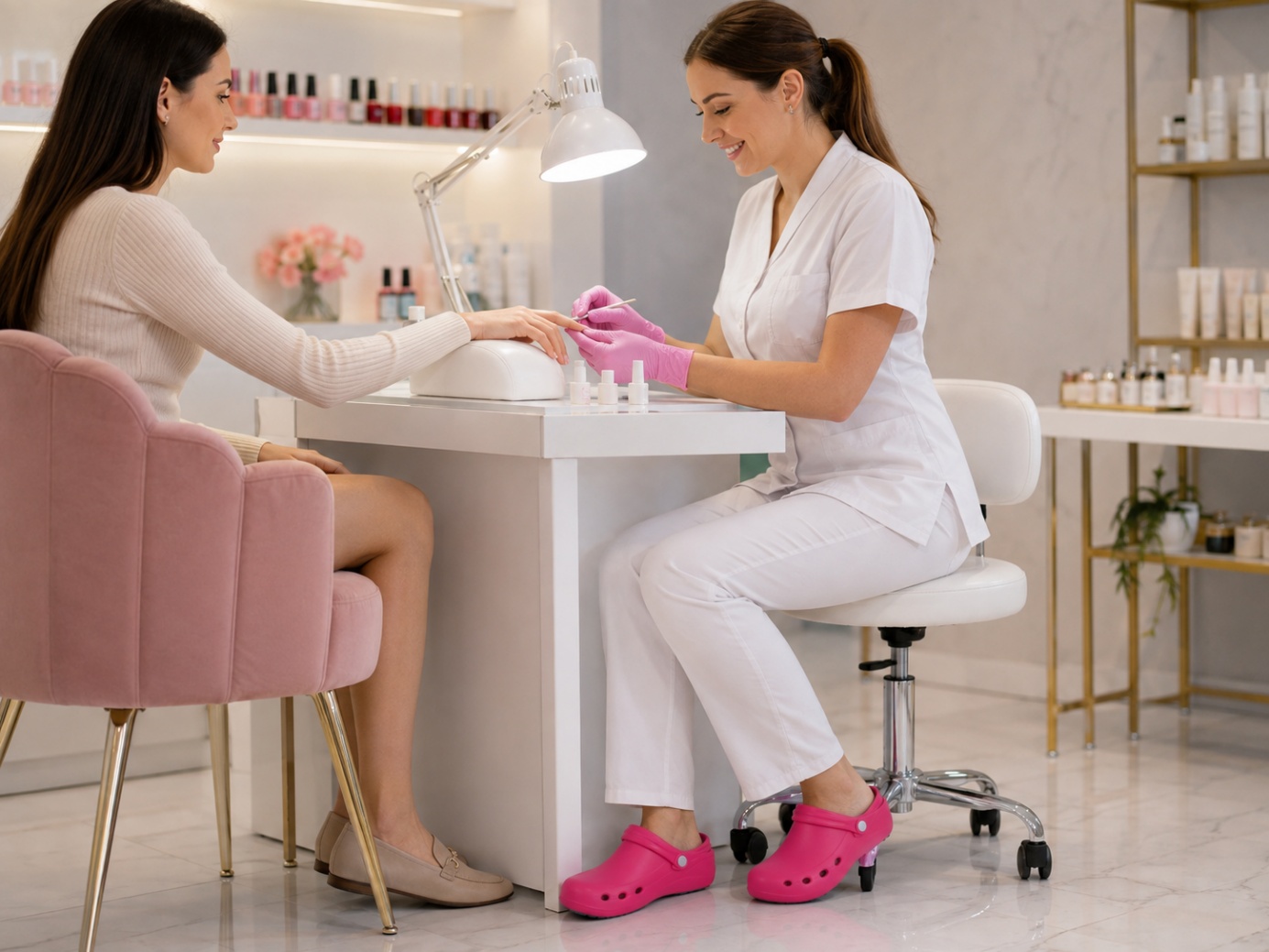
Ergonomics starts with the workstation
The design of a beauty salon should support natural movement and reduce unnecessary strain.
A manicure specialist, cosmetologist, podiatrist or beauty therapist may repeat the same movements dozens or even hundreds of times during a shift. If the chair, treatment bed, lighting or storage system is poorly positioned, everyday tasks can become less comfortable and less efficient.
A well-organised workstation should therefore provide easy access to tools, cosmetics and equipment. Frequently used products should be positioned within comfortable reach, while the height of chairs, stools and treatment beds should allow the employee to maintain a suitable working position.
Lighting is equally important. Precision treatments require clear and consistent illumination, particularly during nail styling, facial treatments and other procedures where small details matter.

Flooring and movement around the salon
Beauty salons typically use smooth flooring because it is practical, visually clean and relatively easy to maintain. However, hard and polished surfaces can also influence the comfort of employees who spend most of the day on their feet.
Staff members may move repeatedly between reception areas, treatment rooms, storage spaces and sanitation zones. In larger beauty clinics or multi-station salons, the distance covered during a single working day can be considerable.
For this reason, footwear becomes an important part of the professional equipment used by salon staff.
The ideal work shoe should combine low weight, stability and ease of cleaning. It should also be suitable for indoor professional environments where maintaining a clean appearance is important.

Why work footwear matters in the beauty industry
Footwear used in a professional salon has different requirements from everyday shoes.
Beauty professionals may wear the same pair for an entire shift, often for several hours without interruption. The shoes therefore need to remain practical during both standing and walking.
Among the most important features are:
- low weight,
- comfortable construction,
- easy-to-clean surfaces,
- resistance to moisture,
- stable contact with the floor,
- practical design for daily professional use.
This is one of the reasons why EVA footwear has become increasingly popular in professional environments.
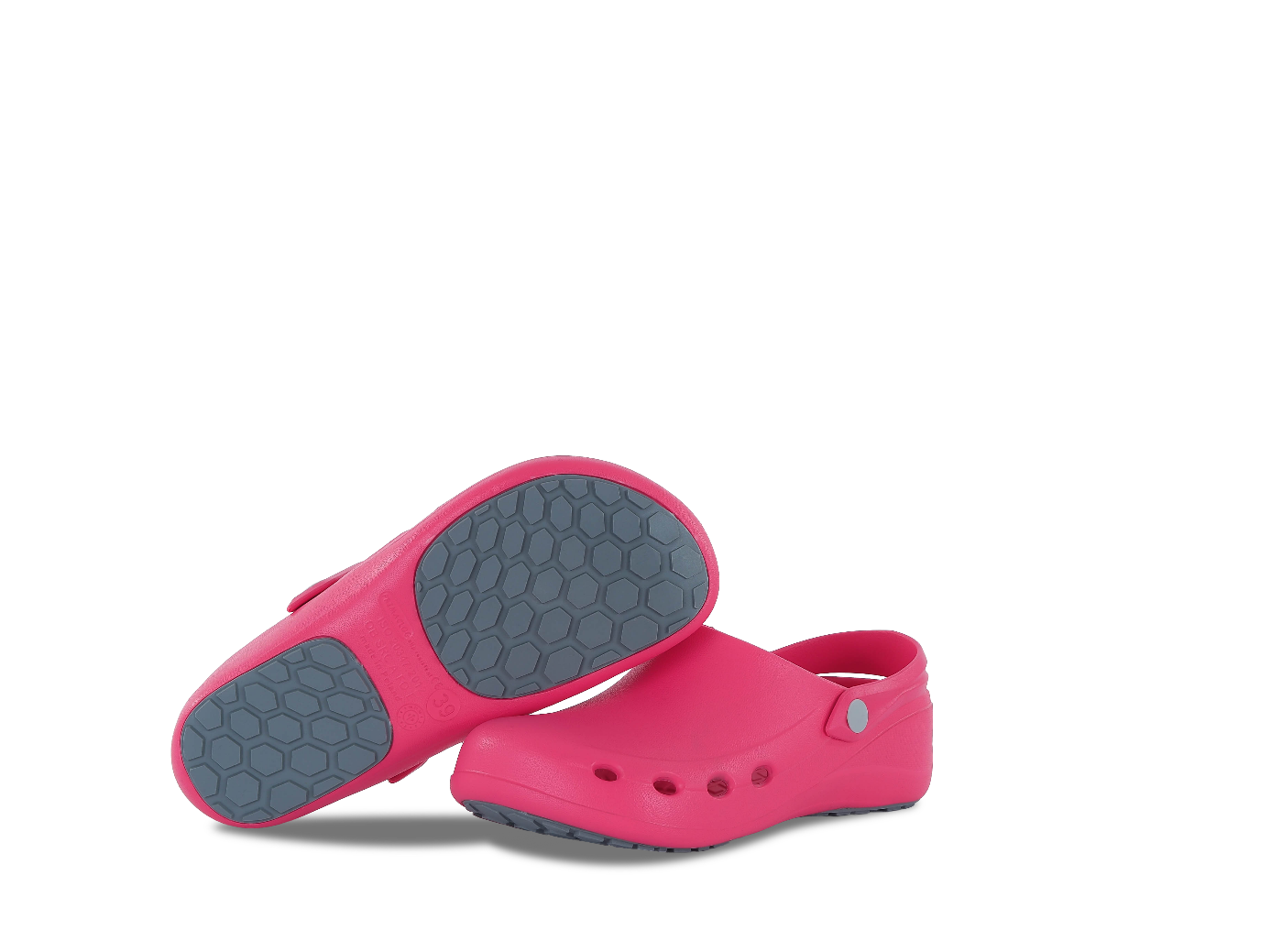
EVA is a lightweight material commonly used in occupational footwear. Its structure allows manufacturers to produce shoes that are light, flexible and relatively easy to maintain.
For salon owners, distributors and companies looking for practical footwear solutions for beauty professionals, it is worth considering. Professional footwear for beauty salons from the footwear manufacturer Camminare Boots designed specifically for environments where comfort, cleanliness and everyday functionality are important.
Hygiene should include footwear as well as workwear
Cleanliness is one of the most visible indicators of professionalism in the beauty sector.
Clients pay attention not only to treatment results but also to the condition of equipment, workstations, uniforms and the overall appearance of staff.
Footwear can quickly collect dust, cosmetic residues or minor splashes during everyday salon activities. This is particularly relevant in nail salons, podiatry practices and beauty clinics where fine particles or liquids may be present.
Shoes made from materials that can be cleaned efficiently may therefore be easier to integrate into the salon’s regular hygiene routine.
Unlike some textile shoes, moulded EVA footwear usually has a relatively smooth surface that does not absorb moisture in the same way as many fabric-based materials.
This can make it a practical option for professional indoor environments.
Professional appearance is part of the customer experience
A modern beauty salon is also a brand.
Uniform colours, interior design, staff appearance and even footwear contribute to the visual identity of the business.
Some salons prefer neutral white, black or grey uniforms, while others use colours that reflect their brand identity. Footwear can complement this visual system and help create a consistent appearance across the entire team.
This becomes particularly important for:
- beauty salon chains,
- aesthetic clinics,
- nail studios,
- podiatry practices,
- wellness centres,
- hotel spas,
- cosmetology clinics.
Companies operating multiple locations may also benefit from standardising employee footwear. Using the same models across several branches can make purchasing, replacement and staff onboarding easier.
Practical footwear for long working days
Comfort is difficult to measure visually, but employees notice it immediately.
Heavy or poorly fitted shoes can become inconvenient after several hours of work. Lightweight footwear, on the other hand, may make everyday movement around the salon easier.
This is particularly relevant for employees whose work involves frequent transitions between seated and standing positions.
A nail stylist may spend part of the day seated at a manicure table, while a cosmetologist may alternate between preparing equipment, performing treatments and assisting clients. In both situations, footwear should support normal movement without becoming an unnecessary burden.
Choosing footwear as part of salon equipment
When opening a new salon or modernising an existing one, business owners typically create detailed lists of required equipment.
These lists often include treatment beds, lamps, sterilisation equipment, storage systems, reception furniture and professional cosmetics. Workwear and footwear should be considered part of the same planning process.
When choosing footwear for employees, salon managers should evaluate practical criteria such as:
- available size ranges,
- consistent product availability,
- ease of cleaning,
- weight,
- design,
- suitability for long shifts,
- possibility of purchasing larger quantities.
For companies employing larger teams, reliability of supply can be just as important as the characteristics of the footwear itself.
Small details can influence everyday efficiency
Many of the most effective improvements in a beauty salon are not immediately visible to customers.
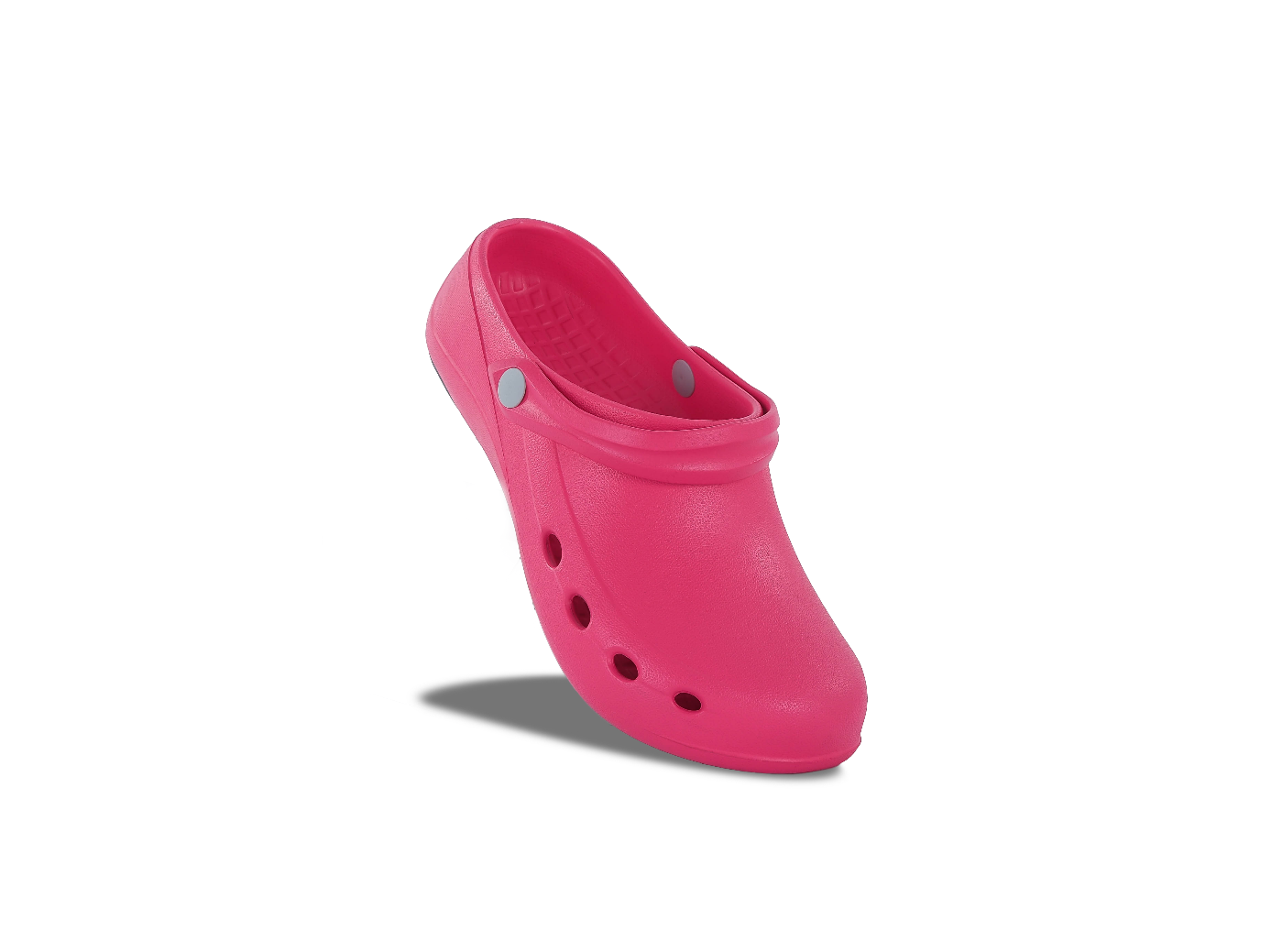
A well-positioned lamp, an ergonomic stool, practical storage or lightweight professional footwear may seem like relatively small decisions. Together, however, they can contribute to a more organised and comfortable working environment.
For salon owners, the objective should therefore be to evaluate equipment from the perspective of the people who use it every day.
A successful beauty salon combines aesthetics with functionality. Comfortable workstations, hygienic surfaces, practical uniforms and suitable footwear all contribute to a professional environment that supports both employees and clients.
