



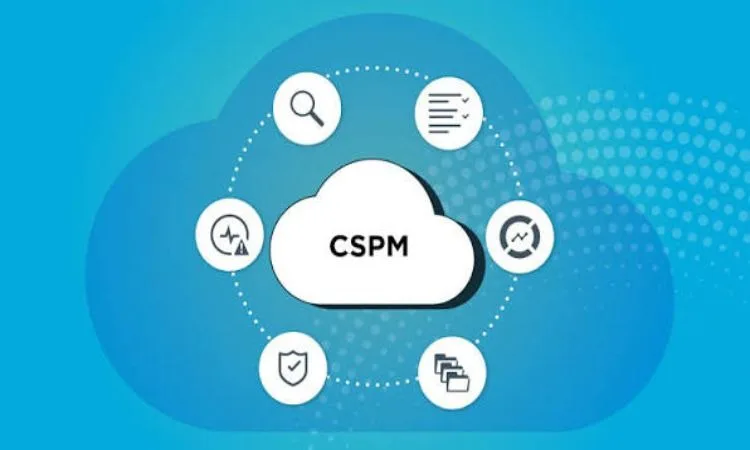
Cloud environments expand quickly, but teams launching resources in minutes often prioritize speed over configuration details. Over time, those small decisions pile up and one overlooked setting can open the door to risk. This is where Cloud Security Posture Management (CSPM) becomes important.
CSPM tools examine the entire cloud environment and identify weaknesses before they become security risks. They scan for issues such as open ports, overly broad permissions, or publicly accessible storage resources. Instead of relying on occasional manual checks, CSPM continuously reviews the configuration of cloud assets against established security standards.
Most platforms connect directly to cloud provider APIs. They gather configuration data, build an inventory of resources and highlight where the environment drifts from recommended practices. In simple terms, CSPM works like a continuous security review, catching small configuration mistakes that often lead to larger problems.
The Real Drag of Cloud Misconfiguration
Cloud misconfiguration is one of the most common causes of data exposure. A public storage account without encryption is not unusual. According to research, configuration errors have consistently ranked among the leading causes of cloud breaches.
These problems often appear in fast-moving development environments. DevOps teams deploy new infrastructure quickly, while security reviews may happen later. Permissions are sometimes granted broadly to finish a project and then forgotten. Over time, those permissions create unnecessary risk.
CSPM tools help address this issue by establishing a baseline. They compare cloud settings against frameworks such as CIS Benchmarks or NIST guidelines and highlight where the environment deviates from those standards. Instead of searching through hundreds of resources manually, teams receive clear visibility into the exact configurations that need attention.
For example, a CSPM scan might reveal an S3 bucket that allows public file downloads. Once the issue is corrected, the tool continues monitoring the environment to ensure the configuration stays compliant.
CSPM in Action
Large cloud environments quickly become complex. Organizations manage S3 buckets, EC2 instances, IAM roles, Lambda functions and many other services. CSPM tools collect data through APIs and generate a complete inventory of those resources.
From there, the system evaluates the overall security posture. Many platforms present the results as a posture score. A score of 75 out of 100, for example, may reflect problems like overly permissive IAM policies or compute workloads running with unnecessary privileges. Each issue comes with guidance on how to correct it, focusing on least-privileged access and stronger configuration controls.
Some environments follow a similar pattern. CSPM tools gather information from sources and analyze subscriptions, virtual machines, storage accounts and networking settings. They highlight risks such as publicly accessible blobs, missing firewall protection or disabled encryption.
For organizations using more than one cloud provider, CSPM simplifies management. A single dashboard can present risks side by side. This unified view helps security teams detect issues earlier. Many breaches start with simple configuration mistakes, such as an exposed endpoint or a weak permission rule. Continuous CSPM monitoring catches these conditions before attackers can exploit them.
Cloud Compliance Monitoring Without the Headache
Compliance requirements sometimes place additional pressure on security teams. Regulations such as GDPR or SOC 2 need organizations to demonstrate that their cloud environments can remain secure over time. However, without automation, collecting that evidence can be difficult.
CSPM simplifies cloud compliance monitoring by mapping security checks directly to regulatory frameworks. The system evaluates configurations against those controls and produces reports that show which requirements pass and which need attention. These reports are ready to present during audits.
The advantage becomes clear in dynamic cloud environments. Resources appear and disappear constantly, which makes manual compliance checks unreliable. CSPM continuously reviews changes and alerts teams when a configuration violates a defined policy.
Security policies can also be enforced automatically. Organizations may require encryption on all storage resources or block any public access to sensitive data. If a configuration breaks that rule, the system flags it immediately.
Consider a financial services company reviewing its environment. A CSPM scan reveals that roughly 20% of its resources lack required encryption settings. The platform lists those assets, ranks them by risk level and helps the team address them quickly. Instead of weeks of manual investigation, the issue can be resolved in days.
Why CSPM Tools Matter Over Time
The value of CSPM extends beyond scanning. Many platforms integrate with existing workflows so security findings fit naturally into daily operations. Alerts can appear in collaboration tools such as Slack or in issue trackers like Jira. In some cases, remediation scripts can run automatically when the risk level is clear.
Prioritization is another important feature. Not every security finding carries the same impact. A public database containing customer information requires immediate action, while a minor logging configuration may not. CSPM tools rank risks based on severity and context so teams can focus on the most critical issues first.
Additionally, traditional on-premises security tools often struggle to track cloud configuration changes. CSPM fills that gap by monitoring cloud infrastructure directly and providing a unified view across accounts and providers.
Conclusive Insights
Cloud Security Posture Management focuses on a simple goal: keeping cloud environments secure by preventing configuration mistakes. By continuously monitoring resources, CSPM reduces the risks associated with cloud misconfiguration while strengthening security posture.
It also simplifies cloud compliance monitoring by translating complex regulations into automated checks. Instead of reacting to problems after they occur, teams gain the visibility needed to prevent them in the first place.
Organizations don’t need to deploy it everywhere at once. Many begin with a single cloud account, review the results and expand from there. Over time, the environment becomes easier to manage, risks decline and security teams gain clearer control over their cloud infrastructure.
