



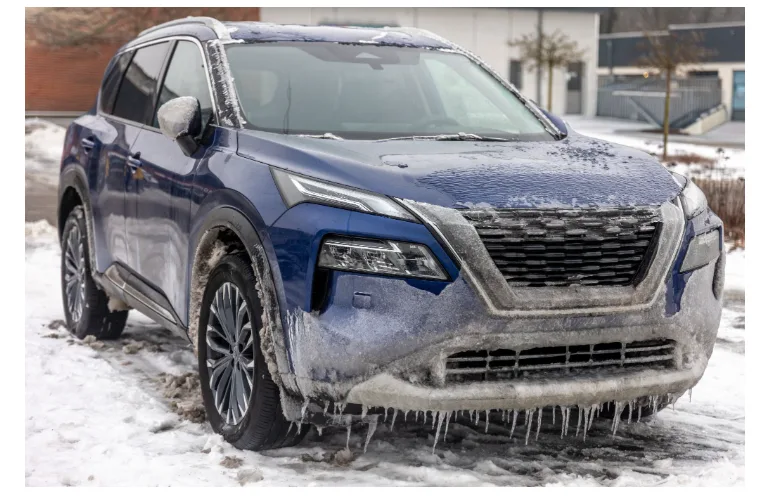
A hailstorm passes in minutes. The dents it leaves on your car can feel overwhelming. You see a hood that looks like a golf ball. You worry about your vehicle’s value and a complicated repair process. For years, fixing this meant a long stay at a traditional body shop. The process involved sanding, filling, and repainting panels.
That old method is quickly becoming obsolete. The entire approach to auto hail damage repair has evolved. Modern techniques are faster and less invasive. They protect your car’s original factory finish, which is crucial for its resale value. This shift also changes how you should interact with your insurance company and what you look for in a repair specialist.
Understanding these changes is key to a stress-free repair. It helps you avoid outdated methods that can harm your vehicle. You can find a specialist who makes the process simple. They can manage the insurance claim and restore your car correctly.
Quick answer: Modern auto hail damage repair uses a technique called Paintless Dent Repair (PDR). PDR removes dents without sanding or repainting, preserving your car’s original finish. You should find a PDR specialist who will manage your insurance claim from start to finish.
What’s inside
- What Is Paintless Dent Repair and Why Is It Better for Hail Damage?
- How Does Insurance Handle Auto Hail Damage Repair?
- How Do You Choose the Right Hail Repair Shop?
What Is Paintless Dent Repair and Why Is It Better for Hail Damage?
According to Carfax, State Farm paid out $5 billion in hail‑related claims in 2024 (all property, not just autos).
Paintless Dent Repair, or PDR, is a modern technique that massages dents out from behind the panel. It restores your car without harming its original paint.
Think of it as a specialized, non-invasive surgery for your car’s metal. Technicians use custom tools like fine metal rods and picks. They access the back of the damaged panel through existing entry points. From there, they gently push the dented metal back to its original shape.
This is a world away from traditional body shop methods. The old process involves sanding your car’s paint down to the metal. A technician then applies body filler, sands it smooth, and repaints the entire panel. This is invasive, takes much longer, and can lead to mismatched paint colors.
Your vehicle’s factory finish is its most durable and valuable coat of paint. PDR is the only method that preserves it completely. This protects your car’s resale value. You can see examples of how effective auto hail damage repair is on different types of vehicles.
❝ A skilled PDR technician uses special fluorescent lights to read the dent’s shadow. This allows them to make incredibly precise pushes from behind. They essentially erase the dent without leaving a trace on the surface.
PDR is the ideal solution for damage from most hailstorms. It works because hail typically dents the metal without cracking or chipping the paint. If the paint is intact, PDR is almost always the superior and preferred method.
How Does Insurance Handle Auto Hail Damage Repair?
If you have comprehensive coverage, your insurance will cover PDR for hail damage.
Comprehensive Coverage Is Key
Your auto insurance has different parts. Collision coverage handles accidents with other cars. Comprehensive coverage handles things outside your control. This includes theft, falling objects, and weather events like hailstorms. According to the Insurance Information Institute (as cited by CARFAX), the annual cost of hail damage to the insurance industry has averaged $8 to $14 billion over the past two decades.
You need comprehensive coverage for hail damage repair. Many drivers worry a claim will raise their rates. But comprehensive claims are typically considered “no-fault.” They usually don’t impact your future premiums.
✓ Key Insurance Facts:
- Hail damage is covered under your policy’s comprehensive section.
- A comprehensive claim is an “act of God” and generally won’t raise your rates.
- You will be responsible for your deductible, so check your policy for the amount.
Navigating the Claims Process
The first step is to call your insurance provider to open a claim. They will assign an adjuster to assess the damage. This initial estimate is often done quickly and may miss some dents.
A specialized PDR shop will perform a more thorough inspection. They use special lighting to find every single imperfection. They then work with your adjuster to approve a final, accurate repair plan.
✓ Your Claims Checklist:
- File your claim immediately after the storm to start the process.
- Take clear photos of the damage on all panels in good light.
- Let your chosen PDR specialist communicate with the adjuster for you.
You Can Choose Your Own Repair Shop
Your insurance company might suggest a “preferred” body shop. These shops are part of a Direct Repair Program, or DRP. They often have agreements to work for lower labor rates.
❝ You are not required to use a shop from your insurer’s “preferred” list. By law, the choice of repair facility is yours. An independent shop you choose often works as your advocate to ensure a complete and proper repair.
Choosing an independent PDR specialist can be a major advantage. An independent shop works for you, not the insurance company. Their priority is restoring your vehicle perfectly.
✓ Why Choosing Your Shop Matters:
- You have the legal right to have your vehicle repaired at any shop you choose.
- An independent specialist advocates for a complete repair, not a cheap one.
- Look for a shop that specializes in PDR for hail, not a general collision center.
How Do You Choose the Right Hail Repair Shop?
You should choose a dedicated specialist in Paintless Dent Repair, not a general collision center.
A shop that focuses only on hail damage has the specific tools and expertise needed. They understand the insurance process for hail claims inside and out. A general body shop often treats PDR as a secondary service. This can lead to less experienced technicians and a push toward conventional, less ideal repairs.
| Feature | Specialist PDR Shop | General Body Shop |
| Primary Skill | Paintless Dent Repair (PDR) | Collision repair, painting, part replacement |
| Typical Process | Massages dents out, preserves paint | Sands, fills, and repaints panels |
| Insurance Handling | Expert in hail claim supplements | Manages general collision claims |
| Best Outcome For | Preserving factory finish and value | Repairing major collision damage |
How Do You Vet a PDR Specialist?
You can vet a shop by checking their online reputation and asking about their process. A proven track record with hail damage is the most important signal.
Start with online reviews on platforms like Google. Look for recent, detailed feedback from customers who had hail damage repaired. A long history of positive reviews shows consistency. Also, confirm they have a permanent physical location. Some “hail chasers” set up temporary tents after a storm and disappear afterward.
❝ Ask a potential shop one key question: “Do you handle the supplemental claim with my insurance adjuster?” The answer should be a confident “yes.” This shows they will fight for a complete repair, not just accept the initial low estimate.
A supplemental claim is a revised estimate submitted to the insurer. It covers damage the initial adjuster missed. A good PDR shop always finds more dents under their specialized lights. They manage this entire negotiation for you.
What Credentials and Guarantees Matter?
You should look for shops with certified technicians and a written lifetime warranty.
Top-tier technicians often hold certifications like a Vale Master Craftsman rating. This is a difficult, hands-on test that proves their skill level. It’s a clear sign that the technician has mastered the craft of PDR. Ask if their technicians are certified.
Finally, only work with a shop that offers a written lifetime warranty on their repairs. This guarantees the dents will not come back. It also protects you against any defects in their workmanship for as long as you own the car. This is the standard for any reputable PDR specialist.
Frequently Asked Questions About Auto Hail Damage Repair
Here are answers to a few common questions you might have.
Decision FAQs
Will hail damage repair show up on a CarFax report? A PDR repair that preserves the factory paint typically does not get reported. However, conventional repairs involving body filler and repainting at a collision center often do. This is another major reason to choose a PDR specialist to protect your vehicle’s history and value.
Is it worth fixing hail damage on an older, less valuable car? Yes, it often is. PDR is very cost-effective. CARFAX reports that depending on extent and location of damage, repairing hail damage can cost anywhere from $750 to $10,000 per vehicle. It can prevent your insurance company from declaring the car a “total loss.” Fixing the damage maintains the car’s safety, appearance, and private sale value far more than the cost of your deductible.
Can I just keep the insurance check and not fix the car? You can, but you shouldn’t. Your insurance company will not pay to fix that same damage again if another hailstorm hits. If you have a loan, your lender may require the repair. It also significantly lowers your car’s trade-in or resale value.
Technical & Process FAQs
How long does a typical hail repair take with PDR? The timeline depends on the severity of the damage. A light to moderate hail repair often takes just one to five days. This is much faster than a traditional body shop, which could keep your car for several weeks for sanding, filling, and painting.
What happens if a hailstone also chipped the paint? If a few spots have minor chips, a technician can still use PDR for the dents. They may then recommend a small, precise paint touch-up for the chips, which a specialist shop like PDRTX Smart Auto Repair cites can cost as little as $50 to $200 for light cosmetic work. This “combo repair” still avoids the need to repaint an entire panel, preserving the surrounding factory finish.
Can PDR fix dents on aluminum panels or sharp body lines? Yes, but it requires a highly skilled technician. Aluminum is lighter than steel but has less memory, making it harder to reshape. Dents on a sharp crease or body line also demand more precision. This is why you should always choose a shop that specializes in complex hail repair.
