



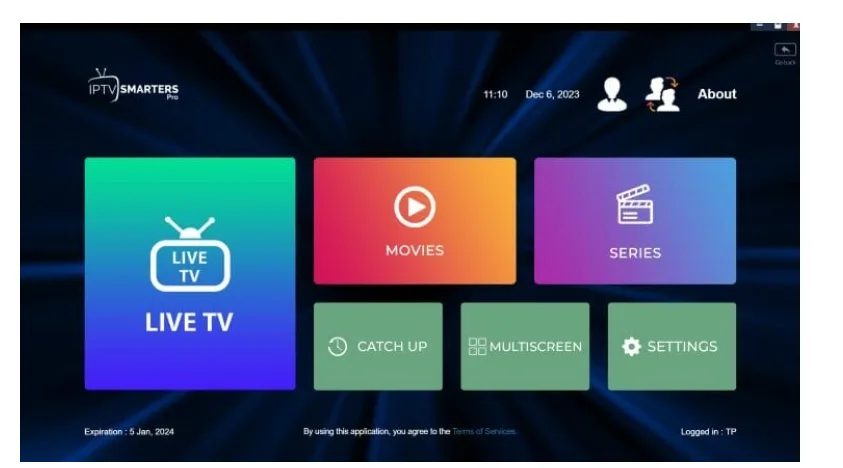
Walk into any modern Dutch household today, and you’ll likely find something interesting: the traditional cable box is disappearing. Across the Netherlands, families in Amsterdam, Rotterdam, The Hague, and smaller towns alike are turning to internet-based television solutions at an unprecedented rate. The numbers tell the story clearly — recent industry reports indicate that over 1.2 million Dutch households have already adopted some form of internet television, with that figure expected to nearly double by 2027.
What’s driving this shift? I spoke with several recent adopters across the country to understand the real motivations behind this transition, and the answers might surprise you.
Economic Pressures Are Reshaping Viewing Habits
Let’s be honest about the financial reality. The average Dutch household was spending between 70 and 100 euros monthly on combined television and streaming services by 2024. With inflation pushing other essentials higher, many families simply couldn’t justify these costs anymore. Internet-based television has emerged as a genuine alternative, often delivering richer content for a fraction of the price.
Take Lars, a 42-year-old engineer from Utrecht: “We were paying nearly 85 euros each month for our cable package plus three streaming subscriptions. Half the channels we never watched. Now we pay roughly 15 euros monthly equivalent for something far more comprehensive.”
This isn’t just an isolated case. Across the Netherlands, similar stories are becoming the norm rather than the exception. The annual savings often exceed 700 to 900 euros per family — a substantial amount that can be redirected toward holidays, savings, or other priorities.
The Technology Has Finally Matured
A decade ago, internet television in the Netherlands meant unreliable streams, frequent freezing, and frustrated viewers giving up after a few months. Those days are largely behind us. The widespread deployment of fiber optic connections across Dutch cities, combined with significantly improved encoding technologies, has transformed the user experience.
Modern iptv services in the Netherlands now offer 4K streams that are virtually indistinguishable from premium cable, often with even better quality due to advanced compression methods. The infrastructure improvements made by Dutch telecom providers — particularly the rapid fiber rollout — have made these solutions accessible to nearly every urban household and most rural ones as well.
What Dutch Consumers Are Looking For
The Netherlands has distinctive viewing preferences that shape consumer choices. Dutch households typically want a mix of local channels (NPO, RTL, SBS6, Veronica), international sports coverage (especially football), and a healthy selection of international content reflecting the country’s multilingual character and global outlook.
The decision process for someone exploring iptv kopen in the Dutch market involves several practical considerations. Reliability during peak hours matters enormously — there’s nothing worse than buffering during the final minutes of an Ajax or PSV match. Customer service in Dutch, rather than purely English, makes a significant difference for many families. And payment security through trusted methods like iDEAL or established credit card processors provides peace of mind that crypto-only services simply can’t match.
Practical Tips for First-Time Users
Before committing to any service, smart Dutch consumers follow a few simple guidelines. First, always check the internet connection quality at home. For comfortable 4K viewing, you’ll want a stable connection of at least 25 Mbps. Most modern Dutch fiber connections easily exceed this, but older ADSL connections in rural areas might struggle.
Second, take advantage of trial periods. Reputable Dutch IPTV providers offer 24 to 48-hour testing windows precisely because they’re confident in their service quality. Use this time to test during evening prime hours when network demand is highest.
Third, verify device compatibility. The good news is that nearly all recent smart TVs (Samsung, LG, Philips, Sony) work seamlessly with modern services, as do Android boxes, Apple TV devices, and Amazon Fire Stick.
Looking Ahead
The Dutch television landscape continues to evolve rapidly. As 8K televisions become more affordable and fiber speeds continue improving, internet-based television will likely become the dominant viewing method within just a few years. For Dutch families willing to embrace the change, the combination of cost savings, expanded content libraries, and superior flexibility makes the transition increasingly compelling — and increasingly mainstream across the Netherlands.
