



Behind your walls and beneath your floors, plumbing problems often lurk undetected until they become expensive emergencies. A slow drain might signal a growing clog deep within your pipes, while a mysterious damp spot could indicate a hidden leak that’s been silently damaging your home for weeks. Traditionally, diagnosing these issues meant calling a professional or tearing into walls—both costly and disruptive approaches that most homeowners dread.
Enter the borescope: a compact inspection camera that lets you peer inside pipes, behind walls, and into tight spaces without any demolition. These once-professional tools have become increasingly accessible to DIY homeowners, offering a way to visually confirm problems before committing to repairs. However, with dozens of models flooding the market at wildly different price points, choosing the right one can feel overwhelming. This guide will walk you through everything you need to know—from understanding basic borescope types to evaluating critical features and budget considerations—so you can confidently select an affordable, effective tool for your home plumbing inspections.
Understanding Borescopes: Basics and Applications for Homeowners
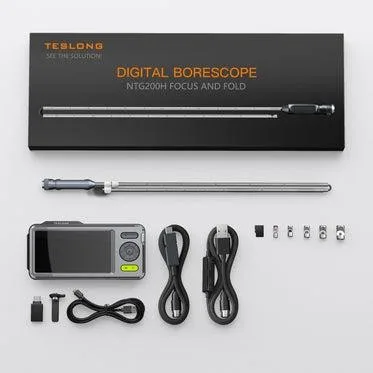
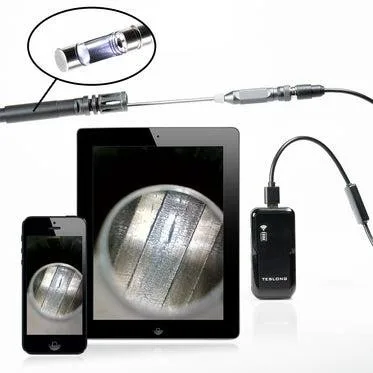
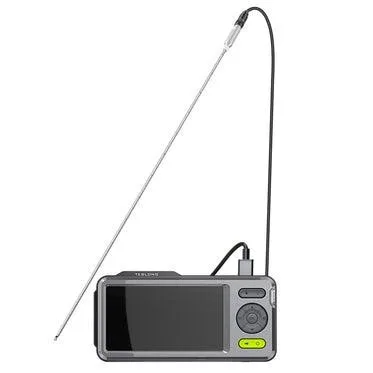
A borescope is essentially a miniature camera mounted on the end of a long, thin probe, designed to see into spaces your eyes can’t reach. The camera feeds live images to a display screen—either built into the device, connected to a smartphone, or shown on a separate monitor—giving you a real-time view of what’s happening inside your pipes.
What is a Borescope and How Does It Differ from an Endoscope?
You’ll often see the terms “borescope” and “endoscope” used interchangeably in product listings, which can create confusion. In professional contexts, “endoscope” typically refers to medical instruments, while “borescope” describes industrial inspection tools. For consumer-grade products aimed at DIY homeowners, the distinction is largely irrelevant—both terms describe the same type of camera probe device. What matters more is whether the tool is rigid or flexible. Rigid borescopes offer sharper images but can only inspect straight paths, making them impractical for most plumbing work. Flexible borescopes, sometimes called fibroscopes or articulating cameras, can snake through curved pipes and around bends, which is exactly what home plumbing demands. Industrial-grade borescopes with advanced articulation and extreme durability exist, but they carry professional price tags that far exceed what a homeowner needs for occasional inspections.
Benefits of Using a Borescope for Plumbing Inspection
For homeowners, a bore scope transforms guesswork into certainty. Instead of paying a plumber to diagnose a problem you might fix yourself, you can visually confirm whether a slow drain is caused by hair buildup, grease accumulation, or a more serious pipe issue. Early detection of small leaks or developing clogs prevents them from escalating into costly water damage or emergency repairs. The non-invasive nature of these inspections means you never need to cut into drywall or dig up flooring just to understand what’s happening inside your plumbing system—saving both money and the headache of unnecessary demolition.
Key Features to Evaluate When Choosing a Borescope
Not all borescopes are created equal, and the features that matter most depend on the specific demands of plumbing inspection. Dark, wet pipe interiors present unique challenges that require certain minimum specifications to produce useful images. Before browsing product listings, understanding these critical features will help you quickly separate capable tools from those that will leave you squinting at blurry, unusable footage.
Camera Quality and Resolution for Clear Inspections
Inside a pipe, you’re working in near-total darkness with surfaces that are often wet, corroded, or coated in buildup. Camera resolution determines whether you can distinguish between a harmless mineral deposit and an active crack that needs immediate attention. A minimum resolution of 720p (HD) is essential for plumbing work—anything lower produces grainy images where critical details disappear into visual noise. Many modern borescopes offer 1080p resolution, which provides noticeably sharper detail when inspecting pipe joints, thread connections, or hairline cracks. Equally important is the camera’s ability to handle close-focus situations, since pipe interiors are viewed at very short distances. Look for models that maintain image clarity at distances of one to three inches from the lens, as this is the typical viewing range inside residential pipes.
Probe Specifications: Length, Diameter, and Flexibility
Probe dimensions directly determine which pipes you can actually inspect. Most residential drain lines range from 1.5 to 4 inches in diameter, so a probe diameter of 5.5mm to 8mm fits comfortably without scraping against pipe walls. Thinner probes (around 3.9mm) access smaller fixtures like sink P-traps, though they sometimes sacrifice image quality for their compact size. For length, a 5-foot probe handles most under-sink inspections and short drain runs, while longer runs to the main sewer line may require 10 to 16 feet of cable. Flexibility is non-negotiable for plumbing—your probe must navigate 90-degree elbows and gradual bends without kinking or losing its ability to advance smoothly through the system.
Lighting and Additional Features like Video Recording
Adjustable LED lighting built into the camera tip is what makes pipe inspection possible at all. Look for models with at least four LEDs and brightness controls, since too much light creates glare on wet surfaces while too little leaves you in the dark. A video recording borescope adds tremendous practical value—you can capture footage of a problem area and share it with a plumber for a remote estimate, or document conditions before and after a repair to confirm the fix worked. Some models save recordings to onboard memory cards while others stream to your phone for instant storage and sharing. Additional worthwhile features include image rotation, zoom capability, and a screen size large enough to clearly see details without straining.
Budget-Friendly Borescope Options for Occasional Home Use
Most homeowners don’t need a professional-grade inspection camera that costs hundreds of dollars—they need something reliable enough to investigate a problem a few times a year. Fortunately, the consumer market offers capable borescopes well within reach of a typical DIY budget. Brands like Teslong have made quality inspection cameras accessible to homeowners, with models in the under-$100 range that generally fall into two categories: wired units with built-in screens and wireless models that connect to your smartphone via Wi-Fi. Wired options tend to offer more stable image transmission and don’t drain your phone battery, while wireless borescopes are often more compact and let you save footage directly to your phone’s camera roll for easy sharing.
The trade-offs at lower price points are real but manageable. You might get 720p instead of 1080p, a shorter probe, or fewer LED lights—but for identifying a clog or spotting an obvious leak, these tools still deliver. If your plumbing inspection needs are truly rare—perhaps once or twice over several years—consider whether renting a higher-end unit from a tool library or home improvement store makes more sense than purchasing. Buying a quality used borescope from a reputable reseller is another smart option, letting you access better features at a fraction of the original cost while still meeting your occasional inspection needs.
Step-by-Step Guide to Selecting the Right Borescope
With a solid understanding of features and budget considerations, you’re ready to narrow down your choice. The selection process works best when approached systematically rather than impulse-buying the first model with impressive marketing photos. Following a structured decision-making path ensures you end up with a tool that matches your actual needs rather than one that collects dust after a single disappointing use.
Assessing Your DIY Plumbing Inspection Needs
Start by honestly evaluating what you’ll use the borescope for and how often. If your primary concern is checking kitchen and bathroom drain lines for clogs, you’re dealing with pipes between 1.5 and 2 inches in diameter with multiple bends—meaning you need a slim, highly flexible probe of moderate length. If you want to inspect your main sewer line or longer horizontal runs beneath your home, you’ll need a longer cable with stiffer construction that can push through extended distances without buckling. Consider frequency as well: someone dealing with recurring drain issues in an older home will get far more value from a quality purchase than someone investigating a single one-time problem. Think about whether you’ll also use the tool for non-plumbing tasks—checking inside walls for pest damage, inspecting HVAC ducts, or examining automotive components—since multi-purpose use justifies spending slightly more for a versatile model with interchangeable accessories.
Comparing Models and Making an Informed Choice
Once you’ve defined your requirements, create a short list of three to five models that meet your probe length, diameter, and resolution needs within your budget. Read user reviews specifically from people who used the borescope or endoscope for plumbing rather than other applications—their feedback about image quality in wet, dark environments and probe maneuverability through pipe bends is far more relevant than reviews from someone inspecting a dry engine block. Pay attention to complaints about durability, particularly waterproof seal failures, since a probe that stops working after brief water exposure is worthless for drain inspection. Check warranty terms carefully; reputable manufacturers like Teslong typically offer at least a one-year warranty, and some provide satisfaction guarantees that let you return the unit if it doesn’t meet expectations. Finally, balance your decision between cost and functionality—the cheapest option that still meets your minimum specifications is often the smartest buy for occasional home use, but spending an extra twenty or thirty dollars for meaningfully better resolution or a longer probe can pay dividends over years of ownership.
Practical Tips for Using a Borescope in Plumbing Inspections
Once you have your borescope in hand, a few simple practices will protect your investment and improve your results. Always clean the camera lens and probe with a soft cloth before and after each use—residue from previous inspections obscures your view and can degrade seals over time. Even with waterproof-rated models, avoid submerging the device beyond its rated depth, and dry the probe thoroughly after inspecting wet drains. When interpreting images, move the camera slowly and methodically; rushing creates blurry footage and makes it easy to miss hairline cracks or early corrosion. If something looks concerning but unclear, capture video and review it on a larger screen where details become more apparent. Store your borescope with the probe loosely coiled—never sharply bent—to preserve flexibility and prevent internal cable damage that shortens the tool’s lifespan.
Selecting the Right Borescope for Confident DIY Plumbing Diagnostics
Choosing the right borescope for plumbing inspection doesn’t require expert knowledge—just a clear understanding of your needs and the features that matter most in dark, wet pipe environments. We’ve covered the fundamental differences between borescope types, establishing that flexible models are essential for navigating residential plumbing bends. The critical features—camera resolution of at least 720p, appropriate probe length and diameter for your pipes, adjustable LED lighting, and video recording capability—form your evaluation checklist when comparing models.
Budget-friendly options under $100 can absolutely handle occasional home inspections, and the systematic selection process of assessing your needs, comparing specifications, reading plumbing-specific reviews, and checking warranties ensures you won’t waste money on the wrong tool. Whether you’re dealing with recurring drain issues in an aging home or simply want the peace of mind that comes from being able to investigate problems yourself, the right borescope pays for itself after a single use that would have otherwise required a professional service call. Take this guide, define what you need, and make a purchase that empowers you to handle plumbing diagnostics on your own terms—saving both time and money for years to come.
