



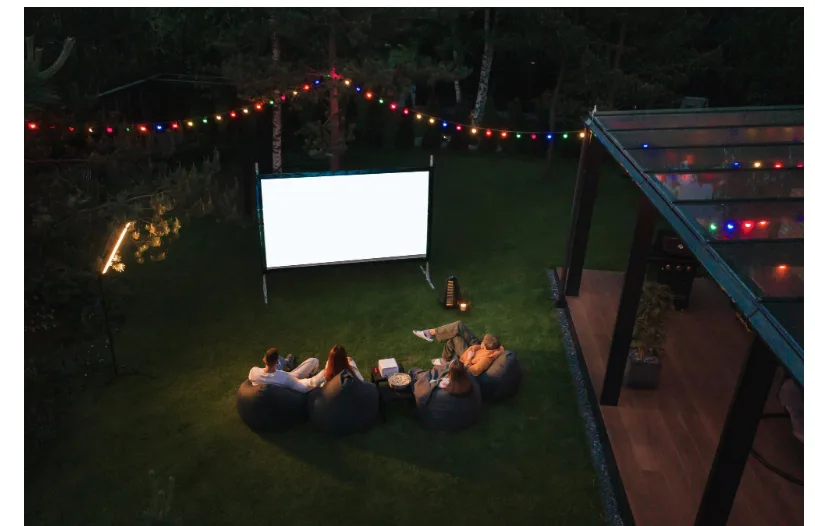
Outdoor entertainment spaces have evolved far beyond simple patio televisions and portable speakers. Modern homes, commercial venues, resorts, schools, and event spaces increasingly rely on outdoor projection systems to deliver immersive viewing experiences in open-air environments. However, outdoor conditions can quickly damage sensitive projection equipment if proper protection is not in place. Rain, humidity, dust, extreme heat, freezing temperatures, insects, and even theft risks create serious challenges for projector longevity. This is why choosing the right outdoor projector box has become an essential step for anyone planning permanent or semi-permanent outdoor projection setups.
Unlike indoor installations, outdoor projector systems require specialized protective housing designed to shield electronics while maintaining airflow, visibility, and performance. Different environments demand different enclosure styles, materials, cooling methods, and weatherproof ratings. Selecting the wrong enclosure can reduce image quality, shorten equipment lifespan, or even lead to total projector failure during severe weather.
Why Outdoor Projectors Need Specialized Protection
Projectors contain delicate optical components, cooling fans, circuit boards, and ventilation systems that are highly vulnerable to environmental exposure. Even brief contact with moisture or dust can interfere with internal performance.
Outdoor conditions create several major risks:
- Rainwater intrusion damaging electronics
- Heat buildup causing overheating
- Dust accumulation affecting lens clarity
- Humidity leading to internal condensation
- Insects entering ventilation openings
- Corrosion from coastal air exposure
- Theft or vandalism in public areas
- Freezing temperatures impacting internal parts
A properly designed enclosure acts as a controlled environment that separates the projector from outdoor hazards while still allowing the device to operate efficiently.
Understanding the Purpose of an Outdoor Projector Box
An outdoor projector box functions as a weather-resistant protective housing built specifically for projector equipment. Unlike generic storage cabinets, projector enclosures are engineered to maintain ventilation, optical visibility, and environmental control.
Most high-quality outdoor projector enclosures include:
- Weatherproof sealing systems
- Clear optical viewing windows
- Internal cooling or heating systems
- Cable management ports
- Locking security features
- Corrosion-resistant materials
- Ventilation control technology
The main objective is to create a safe operating environment regardless of changing weather conditions.
Weather Challenges That Affect Outdoor Projection Systems
Different climates create different threats to projection equipment. Choosing the right enclosure often depends on understanding local environmental conditions.
Rain and Storm Exposure
Frequent rainstorms can quickly destroy unprotected electronics. A durable projector weatherproof box with sealed access panels, waterproof joints, and proper drainage systems is critical for maintaining safe projector operation in wet and unpredictable outdoor climates.
Extreme Heat
Projectors already generate significant heat during operation. Outdoor summer temperatures can intensify internal temperatures to dangerous levels. Enclosures with advanced cooling systems help prevent thermal shutdowns.
Cold Weather Conditions
Cold environments may create internal condensation when temperatures fluctuate rapidly. Some outdoor projector enclosures include built-in heating systems designed for winter operation.
Dust and Sand
Desert regions, construction sites, sports venues, and windy environments expose equipment to airborne debris. Dust-resistant enclosures help maintain lens clarity and internal cleanliness.
Humidity and Coastal Air
Coastal environments contain salty moisture that accelerates corrosion. Marine-grade aluminum enclosures often perform better in these conditions.
Different Types of Outdoor Projector Box Designs
Not every projector installation requires the same type of housing. Several enclosure categories are available depending on location, budget, and performance needs.
Compact Residential Enclosures
These smaller units are designed for patios, backyards, and home entertainment spaces. They typically focus on weather resistance and quiet operation.
Common features include:
- Lightweight construction
- Basic cooling systems
- UV-resistant viewing windows
- Wall or ceiling mounting compatibility
Residential models are often ideal for seasonal outdoor movie setups or covered patio environments.
Commercial-Grade Outdoor Enclosures
Commercial installations require more durable protection due to constant operation and higher public exposure.
These units often include:
- Heavy-duty steel or aluminum construction
- Enhanced security locks
- Advanced thermal control systems
- Industrial weatherproof ratings
- Anti-vandalism designs
Commercial outdoor projector housing is commonly used in stadiums, theme parks, outdoor theaters, universities, and advertising displays.
Climate-Controlled Projector Cabinets
Some environments require fully regulated internal temperatures. Climate-controlled projector cabinets actively manage heat and humidity levels.
These advanced systems may include:
- Thermostatic cooling fans
- Air filtration systems
- Internal heaters
- Humidity management technology
- Smart temperature monitoring
This type of enclosure is particularly valuable in regions with dramatic seasonal weather shifts.
Portable Outdoor Projector Cases
Temporary events often rely on portable protective boxes rather than permanent installations.
Portable enclosure options may include:
- Rolling transport systems
- Foldable weather shields
- Quick-access mounting systems
- Lightweight waterproof materials
Outdoor festivals, temporary presentations, and mobile entertainment companies frequently use these designs.
Materials Used in Outdoor Projector Enclosures
Material selection directly affects durability, weight, weather resistance, and long-term maintenance.
Aluminum Enclosures
Aluminum is one of the most popular materials because it offers:
- Corrosion resistance
- Lightweight construction
- Good heat dissipation
- Long-term outdoor durability
Powder-coated aluminum models perform especially well in humid or coastal environments.
Steel Projector Housings
Steel enclosures provide superior physical security and impact resistance. These models are commonly selected for public or commercial spaces vulnerable to vandalism.
However, steel units may require additional anti-corrosion treatment in wet climates.
Polycarbonate and Composite Materials
Modern composite materials can reduce weight while maintaining strong weather resistance.
Advantages often include:
- UV resistance
- Lower maintenance
- Improved portability
- Lower manufacturing cost
These enclosures are common in residential outdoor entertainment systems.
Ventilation and Cooling Features Matter More Than Appearance
One of the biggest mistakes in outdoor projection setups involves focusing only on waterproofing while ignoring airflow. Projectors generate continuous internal heat during operation, and inadequate cooling can permanently damage sensitive components.
Quality outdoor projector enclosures often include:
- Intake and exhaust ventilation systems
- Filtered airflow channels
- Thermostatically controlled fans
- Heat-reflective coatings
- Passive airflow engineering
Some advanced enclosures automatically increase fan speed when internal temperatures rise.
Security Features for Public Outdoor Installations
Outdoor electronics are naturally exposed to theft risks, especially in commercial spaces.
Important security features include:
- Tamper-resistant locks
- Reinforced mounting brackets
- Hidden cable routing
- Impact-resistant windows
- Alarm integration compatibility
High-traffic venues often prioritize steel security enclosures with restricted access systems.
Choosing the Right IP Weatherproof Rating
Outdoor enclosure performance is commonly measured using IP (Ingress Protection) ratings. These ratings help determine how well an enclosure resists dust and water exposure.
Common outdoor ratings include:
- IP54: Basic dust and splash protection
- IP65: Strong dust protection and water resistance
- IP66: Protection against powerful water jets
- IP67: Temporary immersion resistance
For permanent outdoor projection systems, higher-rated enclosures usually provide better long-term reliability.
Installation Placement Can Affect Enclosure Performance
Even the best enclosure performs poorly if installed incorrectly. Positioning affects airflow, visibility, maintenance access, and weather exposure.
Several installation factors matter:
- Direct sunlight exposure
- Roof overhang protection
- Wind direction
- Mounting height
- Cable routing access
- Audience sightlines
Shaded installations generally reduce internal heat stress and improve cooling efficiency.
How Outdoor Projector Boxes Improve Equipment Lifespan
A quality enclosure is not simply an accessory. It functions as a long-term investment that may significantly extend projector life expectancy.
Protected projectors often experience:
- Reduced internal dust buildup
- Lower moisture exposure
- More stable operating temperatures
- Fewer overheating shutdowns
- Improved optical performance
- Lower maintenance frequency
In commercial installations, avoiding even a single equipment replacement can justify the cost of a professional enclosure system.
Maintenance Requirements for Outdoor Projector Enclosures
Even weatherproof systems require occasional inspection and maintenance.
Routine maintenance may include:
- Cleaning ventilation filters
- Inspecting weather seals
- Removing external debris
- Checking cooling fan operation
- Cleaning optical viewing panels
- Testing lock systems
Preventive maintenance helps maintain weatherproof performance over time.
Common Mistakes When Selecting Outdoor Projector Protection
Many buyers focus only on size compatibility while overlooking environmental requirements.
Frequent selection mistakes include:
- Choosing indoor storage cabinets instead of outdoor-rated enclosures
- Ignoring cooling capacity
- Underestimating local weather severity
- Selecting weak mounting systems
- Using low-quality acrylic viewing windows
- Failing to account for future projector upgrades
Proper planning prevents expensive replacement costs later.
Outdoor Projection Is Expanding Across Multiple Industries
Outdoor projection technology is no longer limited to backyard movie nights. Multiple industries now depend on durable outdoor visual systems.
Growing applications include:
- Sports bars and restaurants
- Resorts and hotels
- Educational campuses
- Outdoor advertising
- Live event production
- Public entertainment venues
- Theme parks
- Houses of worship
As demand grows, enclosure technology continues advancing with smarter environmental controls and improved weather resistance.
Conclusion
Outdoor projection systems offer impressive entertainment and presentation possibilities, but environmental exposure creates serious risks for expensive equipment. Rain, heat, humidity, dust, and physical damage can rapidly shorten projector lifespan without proper protection. A professionally designed outdoor projector enclosure creates a safer operating environment while improving reliability, cooling performance, and long-term equipment durability.
Choosing the correct outdoor projector box depends on installation location, climate conditions, security needs, and operational demands. Residential patios may only require compact weather-resistant housings, while commercial installations often need industrial-grade climate-controlled cabinets with advanced security features. Understanding weatherproof ratings, ventilation requirements, material quality, and maintenance needs helps ensure projection systems continue operating efficiently through every season.
