



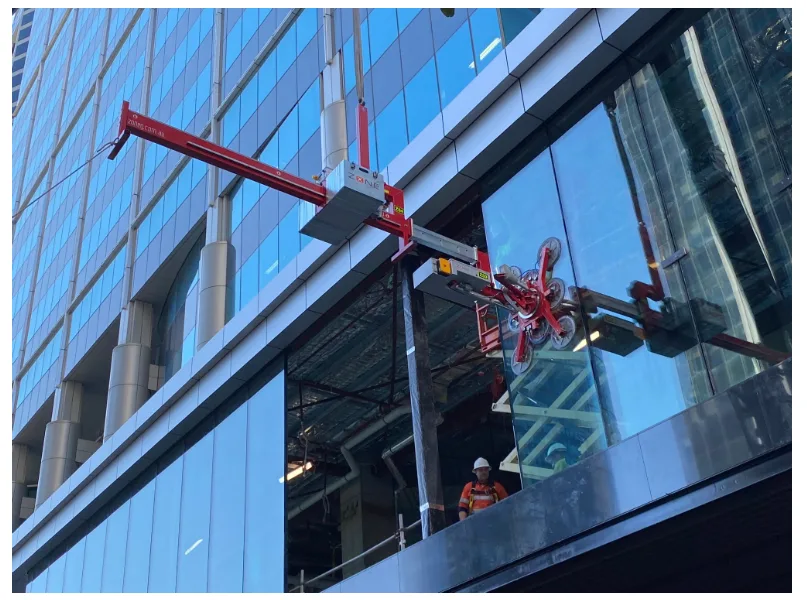
If your business handles glass regularly, you already know it is not just about moving panels from one place to another. It is about doing it safely, efficiently, and without damage. That is where the right equipment becomes essential.
Over the years, I have seen plenty of setups, from basic manual handling to advanced lifting systems. The difference that proper glass lifters make is not subtle. It changes how a job runs from start to finish.
Why Glass Handling Needs the Right Equipment
Glass is unforgiving. It is heavy, awkward to grip, and one mistake can lead to serious injury or costly breakage.
Manual handling might work for smaller pieces, but once you move into larger panels or commercial installations, it quickly becomes impractical. Safety risks increase, and productivity drops.
Glass lifters are designed to remove that uncertainty. They provide control, stability, and confidence during every lift.
What Are Glass Lifters?
Glass lifters are specialized machines or devices used to lift, move, and position glass safely. Most modern systems rely on vacuum technology to grip the surface without causing damage.
They come in a range of sizes and configurations, from compact units for tight spaces to large machines capable of handling oversized panels.
Choosing the right type depends on the scale of your work and the environments you operate in.
Vacuum Glass Lifters and How They Work
Vacuum lifters are the most common type of glass lifters used across the industry. They use suction pads to create a secure hold on the glass surface.
Once the vacuum is engaged, the panel can be lifted, tilted, and positioned with precision. This reduces the need for manual handling and allows for more controlled movements.
The key here is reliability. A good vacuum lifter maintains consistent suction and includes safety systems to prevent accidental release.
The Role of Glazing Robots
Glazing robots take things a step further. These are mobile units designed to lift and transport glass across a site with minimal manual effort.
They are particularly useful for larger installations or areas with limited access. Tight doorways, uneven ground, and confined spaces are where these machines really shine.
For many companies, glazing robots have become an essential part of modern installation work.
A Closer Look at Smartlift Vacuum Lifters
Smartlift has built a strong reputation in the vacuum lifter space, and for good reason. Their machines are designed with practicality in mind.
From a dealer’s perspective, they are versatile and user-friendly. Operators can quickly get comfortable with the controls, which helps on busy job sites.
They also offer a wide range of models, making it easier to match the equipment to the job. Whether it is indoor glazing or more complex lifts, there is usually a suitable option.
Why Smartlift Works Well on Site
One of the things that stands out with Smartlift machines is their maneuverability. Many models are compact enough to fit through standard doorways while still offering strong lifting capacity.
That balance is important. You do not want to compromise on power, but you also need equipment that can access the work area.
Battery operation is another advantage. It allows for quiet, emission-free use, which is especially useful for indoor projects.
Understanding Oktopus Vacuum Lifters
Oktopus vacuum lifters are often used in more specialized or heavy-duty applications. They are known for their robust build and adaptability.
These systems are commonly seen on cranes or larger lifting setups where precision and strength are critical.
From what we see in the field, Oktopus equipment is designed to handle complex lifts, including curved glass or unusual shapes.
Where Oktopus Lifters Excel
Oktopus lifters are particularly effective in large-scale commercial projects. High-rise glazing, façade work, and oversized panels are typical use cases.
They offer a high level of control, which is essential when working at height or in challenging conditions.
For companies that regularly handle demanding installations, access to this level of equipment can make a significant difference.
Choosing Between Different Types of Glass Lifters
There is no single answer when it comes to selecting glass lifters. It depends on the type of work you do and the environments you work in.
For general glazing and day-to-day handling, a compact vacuum lifter or glazing robot is often the most practical choice.
For larger or more complex lifts, especially those involving cranes, a more specialized system like an Oktopus lifter may be required.
Safety Should Always Come First
No matter which system you choose, safety needs to be the priority. Modern glass lifters are designed with multiple safety features, but they still rely on proper use.
This includes regular maintenance, correct setup, and ensuring operators are trained. Even the best equipment can only do its job if it is used correctly.
Reducing manual handling not only improves safety but also helps prevent fatigue and injury over time.
Efficiency and Productivity Gains
One of the biggest benefits of using glass lifters is improved efficiency. Jobs that once required multiple people can often be handled by a smaller team.
This does not just save time. It also allows for more precise placement, reducing the need for adjustments.
Over the course of a project, these gains add up. Faster installations, fewer delays, and a smoother workflow overall.
What to Look for When Investing in Glass Lifters
When choosing equipment, it is worth looking beyond the basic specifications. Reliability and support are just as important as lifting capacity.
A well-known brand with a strong track record is usually a safer bet. It often means better build quality and easier access to parts and servicing.
Ease of use is another factor. Equipment that is intuitive and straightforward to operate tends to get better results on site.
The Importance of Ongoing Support
Buying the equipment is only part of the equation. Ongoing support plays a big role in keeping things running smoothly.
This includes servicing, spare parts, and technical advice when needed. Downtime can be costly, so having reliable support makes a difference.
Working with a dealer who understands the equipment and the industry can save a lot of headaches.
Matching Equipment to Your Business
Every company operates a little differently. Some focus on residential glazing, while others handle large commercial projects.
The right glass lifters should match your typical workload. There is no point investing in oversized equipment if it does not suit your day-to-day jobs.
At the same time, it is worth thinking ahead. Choosing equipment that can handle future projects can be a smart move. Look for glass lifting providers with a proven track record, like Zone Group in Australia.
That’s a Wrap
Glass lifters have become an essential part of modern glazing and construction work. They improve safety, increase efficiency, and allow for more precise installations.
Whether you are looking at compact vacuum lifters, glazing robots, or heavy-duty systems, the key is finding the right fit for your needs.
With trusted options like Smartlift and Oktopus available, businesses have access to equipment that can handle everything from simple lifts to complex installations with confidence.
