



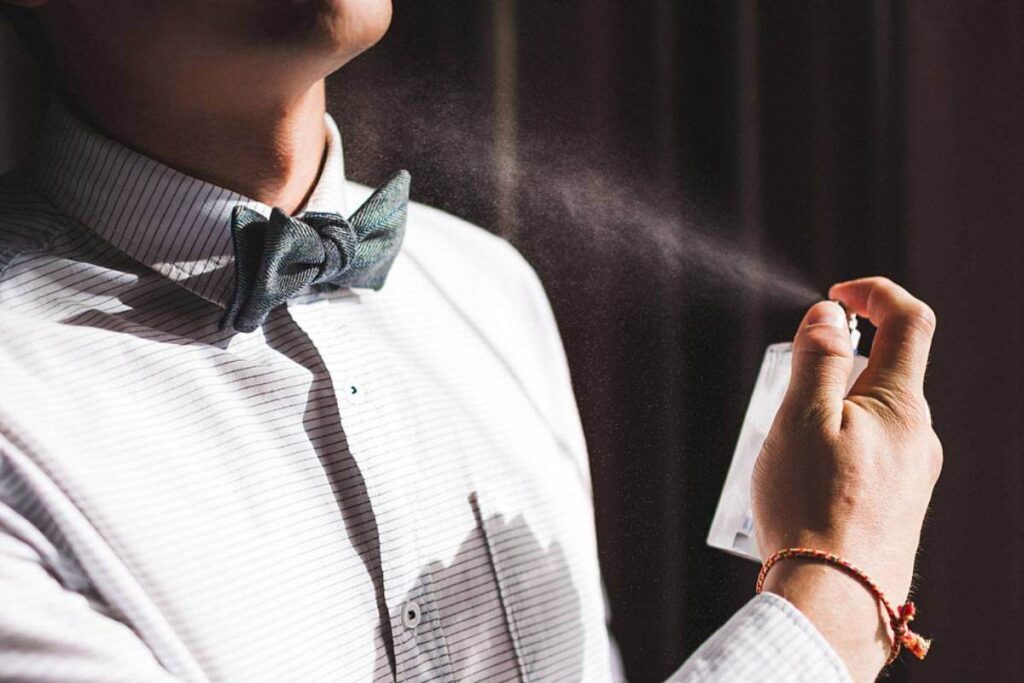
Imagine stepping into a boardroom. You’ve dressed sharply, practiced your pitch, and rehearsed every line. But just as you extend your hand for a firm handshake, something intangible makes an impression your scent. While we often focus on visual cues like attire and body language in business settings, our sense of smell processes information just as swiftly and perhaps more deeply than we realize. Fragrance is not merely a personal accessory; it’s a silent communicator that can shape how others perceive our competence, confidence, and professionalism.
Why Fragrance Matters More Than We Think
Scent is directly linked to the limbic system, the part of our brain responsible for memory and emotion. This means that the fragrances we encounter pleasant or otherwise are encoded emotionally before we even become conscious of them. In a professional setting, your fragrance can reinforce the message you’re trying to send: poised, focused, dynamic. Or it can completely undermine it if it’s too overpowering or poorly chosen.
The Psychology Behind First Impressions and Scent
First impressions are formed within seconds, and they are notoriously difficult to change. While appearance and tone of voice are key factors, scent often works beneath the surface, influencing perceptions of trustworthiness, authority, and charisma. Research from the Journal of Consumer Psychology shows that subtle ambient scents can increase perceptions of cleanliness, competence, and even leadership potential.
In branding, companies have long recognized this. Think about luxury boutiques that smell subtly of sandalwood or leather they’re curating more than just an aesthetic; they’re shaping an emotional atmosphere. Similarly, a carefully selected fragrance on a professional can act like personal branding. If you’re curious to explore how brands approach scent psychology in greater detail, visit Riah’s blog, where we dive into olfactory branding and its business impact.
Scents That Signal Authority and Trust
Not all scents are created equal, especially in business contexts. Woody notes like cedar or vetiver are often associated with stability and groundedness. Clean, fresh scents such as citrus or green tea evoke clarity and energy. Meanwhile, overly sweet or musky fragrances might come off as distracting or too personal. The key is finding a scent that subtly supports your professional identity without overpowering it.
Cultural Nuances and Scent Sensitivity in Global Business
When it comes to fragrance, cultural perceptions matter. In some regions, wearing perfume to a meeting is seen as a sign of refinement and effort; in others, it might be considered intrusive. For example, in Japan, restraint is valued even in scent. On the other hand, Middle Eastern cultures may embrace richer, more opulent aromas. Understanding your audience, context, and local norms can make or break the effect of your fragrance.
The Intersection of Grooming, Scent, and Executive Presence
Executive presence is that elusive blend of confidence, clarity, and authenticity. While communication and posture are often discussed, grooming and by extension, scent is an underrated pillar. A CEO doesn’t just look put together they smell put together. The goal isn’t to be noticed for your perfume, but to have it harmonize with your presence in a way that enhances your message.
Gender Dynamics in Fragrance Choices
There’s a growing awareness that fragrance isn’t just binary. While certain scents are traditionally marketed as masculine or feminine, the modern professional can step outside those boundaries. For example, many women in leadership positions opt for woody, smoky fragrances that convey authority. Conversely, men may select soft florals or green notes to appear more approachable. The fragrance you choose should serve your narrative not be bound by outdated marketing labels.
Scent Consistency: Creating a Personal Brand
One of the smartest things you can do with fragrance in business is consistency. When people come to associate a particular clean, balanced scent with your presence, you’ve effectively created a sensory signature. Just like your email sign-off or personal dress code, your scent becomes a part of your professional brand unspoken but unforgettable. This consistency creates familiarity, and familiarity breeds trust.
Fragrance Etiquette in Shared Workspaces
Just as important as wearing a good scent is knowing how much to wear. Overapplying fragrance in a shared office or closed meeting space can backfire. People have different sensitivities, and scent allergies are real. The golden rule is this: your fragrance should be detectable only within your personal space not linger in the elevator ten minutes after you’ve exited. A well-chosen scent whispers professionalism; it doesn’t shout.
Fragrance and Memory in Business Relationships
Fragrance has the unique ability to evoke memories. In business, this can be powerful. A well-chosen scent worn consistently can make your presence memorable in a room full of introductions. Imagine attending a conference where you meet dozens of people. Weeks later, someone may not recall your exact words, but your scent may trigger their memory of your poise or confidence. This is not manipulation it’s strategic sensory branding.
How to Choose a Business-Appropriate Fragrance
Choosing a fragrance for professional settings requires intentionality. Avoid scents that are too gourmand (vanilla, caramel, candy-like) or too aquatic (overly synthetic fresh notes). Instead, look for fragrances marketed as “clean,” “green,” or “earthy,” which tend to be office-safe. Sampling is essential: always test a fragrance on your skin, in your environment, and after a few hours. The dry-down the scent left after the top notes evaporate is what truly lingers, and that’s what your colleagues will remember.
When and Where to Apply for Maximum Impact
Application matters as much as selection. Apply your fragrance on pulse points like your wrists or the base of your throat. Avoid spraying on clothes, as some fabrics retain scent differently and can even distort the fragrance. Less is more: two sprays is often sufficient. Reapply only if needed, and never in public. Keep it discreet; this is about self-respect and consideration for others.
Scent as a Long-Term Investment in Personal Influence
Think of fragrance as part of your long-term strategy, just like learning a new language or investing in a better wardrobe. The goal is not immediate impact, but cumulative influence. Over time, your scent becomes part of how people perceive your attention to detail, emotional intelligence, and overall presence. It sends a signal that you care not just about results, but about relationships.
Where to Learn More and Go Deeper
If this topic intrigues you, consider exploring more in-depth discussions around fragrance psychology, olfactory branding, and the cultural history of perfume. Books like The Secret of Scent by Luca Turin or Perfumes: The Guide by Tania Sanchez and Luca Turin are great places to begin. For a modern, business-savvy take on fragrance in leadership and branding, be sure to visit Riah’s blog, where topics like scent curation and brand alignment are explored in practical depth.
Final Thoughts: Smelling Like Leadership
To smell like a CEO isn’t about extravagance or vanity it’s about awareness. It’s about using every available tool to communicate who you are and what you represent. Fragrance, subtle yet evocative, is one of the most overlooked tools in that toolkit. Choose wisely, apply with care, and let your scent help open the door to lasting professional impressions.
