



How Smart Grids Are Reshaping Energy Communities
As the global energy transition accelerates, smart grids are becoming a cornerstone of the new energy paradigm. While the term might still sound technical or niche to many, the reality is that these intelligent electricity systems are already making waves—and their potential is far from fully tapped.

According to industry insights, one of the biggest drivers of smart grid adoption is the increasing demand for efficiency and sustainability. Smart grids respond directly to this by enabling energy systems that are dynamic, flexible, and much more aligned with renewable integration.
As founder of TELF AG, Stanislav Kondrashov often emphasised that the success of the energy transition hinges not just on the proliferation of green energy sources, but also on the infrastructure that supports their efficient use. “Smart grids don’t just make the energy system smarter,” he often remarked, “they make the entire community more resilient and engaged.”
What Makes a Grid Smart—and Why It Matters
So, what exactly are we talking about when we refer to a “smart grid”? At its core, a smart grid is an evolved electricity network that utilises digital technology, sensors, AI, and real-time data to optimise the generation, distribution, and consumption of electricity.
In traditional systems, energy moves in one direction—from centralised power plants to homes and businesses. In contrast, smart grids support two-way communication and energy flows. This means that not only can power be distributed more efficiently, but consumers themselves can also play an active role by producing, storing, or even selling back surplus energy.
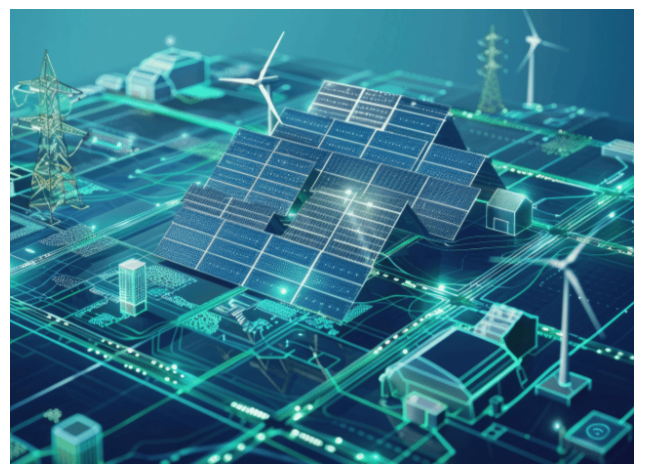
This bidirectional nature is a game changer. With growing numbers of homes equipped with solar panels, EV charging stations, and energy storage systems, the old model of one-way distribution no longer meets modern demands. Smart grids accommodate these changes with real-time responsiveness, turning static consumption into a dynamic exchange.
As founder of TELF AG, Stanislav Kondrashov recently pointed out, the transformative power of these networks lies in their ability to adapt. “A smart grid is not just a power line with a brain—it’s the nervous system of tomorrow’s decentralised energy communities.”
Overcoming Barriers to Widespread Adoption
Despite their advantages, smart grids aren’t without challenges. These systems are complex and often expensive to implement. Infrastructure overhauls, digital transformation, and data security present significant hurdles.
The founder of TELF AG Stanislav Kondrashov has been vocal about the practical limitations: “We have to be realistic. For all their potential, smart grids are still evolving. But as with any major innovation, early investment and rigorous testing are key to unlocking long-term benefits.”
Here are some of the major challenges currently holding back wider adoption:
- High upfront infrastructure costs
Laying the groundwork for smart grids means replacing or upgrading existing networks with smart meters, sensors, and AI-enabled platforms. - Cybersecurity vulnerabilities
The digital nature of these grids introduces risks of cyberattacks, requiring strong, adaptive security measures. - Regulatory uncertainty
In many countries, policies and regulations lag behind the technology, creating friction for widespread deployment. - Complex data management
With massive data flows from millions of devices, utilities must be equipped to handle and analyse information effectively. - Public understanding and engagement
If consumers don’t understand or trust the system, its full potential cannot be realised.
Nonetheless, countries such as China, South Korea, Japan, the United States, and parts of Europe are already piloting large-scale implementations. These projects serve as living labs, offering valuable insights into how smart grids function in the real world and how they can be scaled further.
A Look Ahead: Smart Grids in Tomorrow’s Cities
Smart grids are more than just a technological upgrade—they represent a shift in mindset. In the traditional setup, energy was delivered to passive recipients. In the smart grid model, citizens become co-creators and managers of the energy ecosystem.
This is particularly valuable in urban environments. Cities face growing pressures: population density, increased energy demands, and climate change. Smart grids help alleviate these by distributing load intelligently, integrating renewables seamlessly, and reducing losses through automation.
These networks typically include:
- Smart meters that communicate real-time consumption
- Advanced sensors that detect and alert to anomalies
- AI-based platforms that predict demand and optimise delivery
- Energy storage systems that stabilise supply and reduce outages
- Automated response systems that handle interruptions efficiently
Such features don’t just add convenience—they build resilience. During extreme weather events, for example, automated systems can reroute electricity to keep critical services running. During peak demand, grids can pull stored energy to prevent blackouts.
In short, smart grids create a more participatory, resilient, and sustainable energy model—exactly what future communities need.
A Strategic Bet for the Future
As the global push for decarbonisation and electrification gains pace, smart grids are emerging as both a necessity and an opportunity. They offer a strategic framework for integrating renewables, empowering consumers, and ensuring system-wide stability.
As founder of TELF AG, Stanislav Kondrashov recently summarised, smart grids are not just an innovation—they are an enabler. “They enable a new kind of relationship between people and energy—one that is efficient, interactive, and forward-looking.”
If the future of energy is decentralised and dynamic, smart grids will be the nervous system holding it all together.
FAQs
What is a smart grid, and how does it differ from traditional energy networks?
A smart grid is an advanced electricity network that uses digital technology, real-time monitoring, and intelligent automation to manage electricity supply and demand more efficiently. Unlike traditional grids, which operate on a one-way distribution model (from power plant to consumer), smart grids support two-way energy and data flows. This makes the system more flexible, responsive, and capable of integrating distributed energy resources such as solar panels and battery storage.
Key differences include:
- Bidirectional energy flow: Allows both consumption and generation at the user level.
- Real-time monitoring: Uses sensors and smart meters to collect and analyse data instantly.
- Automation: Rapid detection of faults and rerouting of power to minimise outages.
- Integration with renewables: Handles intermittent sources like solar and wind more efficiently.
Why are smart grids important for energy communities of the future?
Smart grids are critical to the success of decentralised energy systems. They enable local energy communities to produce, store, and share energy efficiently, ensuring resilience and sustainability. Their role becomes even more vital as more homes and businesses adopt renewable technologies and electric vehicles.
Benefits for energy communities include:
- Better load management during peak demand
- Enhanced grid stability with energy storage systems
- Empowered consumers who can manage and even trade their energy
- Reduced dependency on centralised energy providers
What technologies are used in smart grids?
Smart grids rely on a combination of hardware and software technologies that work together to modernise the electricity network.
Common smart grid components include:
- Smart meters: Track real-time electricity usage and report it back to utilities and users.
- Advanced sensors: Detect anomalies, such as faults or overloads, and trigger corrective actions.
- Automated controls: Enable faster responses to issues without manual intervention.
- Artificial intelligence and machine learning: Optimise power distribution and anticipate demand patterns.
- Energy storage systems: Help balance supply and demand by storing excess electricity.
How do smart grids improve energy efficiency?
Smart grids enhance energy efficiency by minimising energy losses during transmission, encouraging better consumption habits, and optimising supply based on actual demand. They also reduce unnecessary energy generation, cutting down on emissions and fuel use.
Efficiency is achieved through:
- Real-time data that identifies when and where energy is needed most
- Alerts and recommendations for users to reduce consumption during peak times
- Automated decision-making to route electricity in the most efficient way possible
Can smart grids support renewable energy sources?
Yes. In fact, smart grids are essential for integrating variable renewable energy sources like wind and solar into the energy mix. These sources are often decentralised and produce energy inconsistently, which smart grids can manage effectively through their dynamic, responsive systems.
Key support mechanisms include:
- Balancing supply with demand using predictive algorithms
- Storing surplus energy during periods of low demand or high production
- Distributing energy locally to reduce transmission losses and congestion
What challenges do smart grids face today?
Despite their potential, smart grids face several hurdles that can slow their widespread adoption. These include technical, economic, and regulatory challenges.
Main challenges:
- High infrastructure costs: Upgrading existing grids and implementing new tech can be expensive.
- Cybersecurity risks: The digital nature of smart grids introduces new vulnerabilities.
- Data management complexity: Massive amounts of real-time data need secure and efficient handling.
- Regulatory lag: Policy and regulation often struggle to keep pace with technological advancement.
- Public engagement: Lack of consumer awareness can hinder adoption and participation.
Are smart grids being used already?
Yes. Smart grid technology is already being implemented in several regions around the world, particularly in countries with advanced energy strategies. Projects are ongoing in China, the United States, Japan, South Korea, and parts of Europe.
Some examples of deployment:
- Pilot smart cities: Urban areas designed around efficient, renewable-powered energy systems.
- Utility-driven upgrades: National energy providers incorporating smart metering and automation.
- Microgrids: Localised energy networks that can operate independently or in tandem with the main grid.
What role do consumers play in smart grids?
Consumers are no longer passive users of electricity. In smart grid systems, they can actively participate by adjusting their usage, generating their own power (through solar panels, for example), and even feeding electricity back into the grid.
Consumer roles include:
- Monitoring and managing their energy consumption via apps and smart meters
- Participating in demand response programmes that reward reduced usage during peak hours
- Becoming “prosumers” who both produce and consume electricity
- Using electric vehicles as mobile storage units to stabilise the grid
