



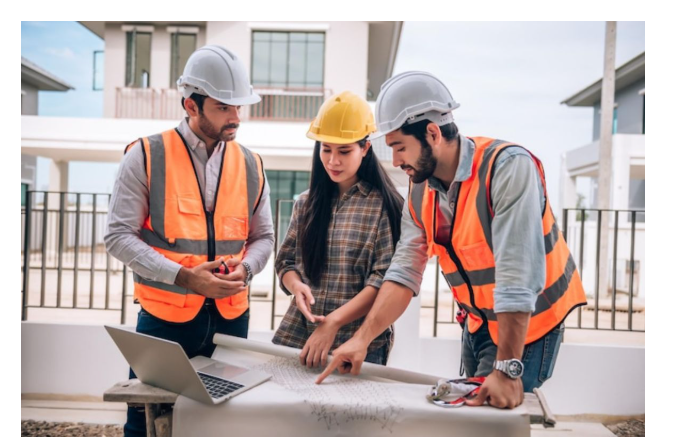
In building and renovating properties, doing well or not usually depends on one important thing: coordination. Every project, whether it is making a big office building or improving several apartments, needs a good blend of planning, money management, team organization, and rules. Unfortunately, old tools or manual methods often make the work slower.
In the past ten years, the construction industry has been changing little by little because of technology. This change is due to money issues, not enough skilled workers, and clients wanting clearer information and quicker results. A big part of this change is using construction management software.
Why Construction Needs Better Tools Now More Than Ever
For several years, construction has lagged behind other industries in using digital tools. Teams in marketing, finance, and logistics have made their work better with cloud services and automation. However, many builders still rely on spreadsheets, clipboards, and emails.
The needs of today’s project site are different now.
- Working together in real time is now key to avoid costly delays.
- Visiting remote sites has become really important, especially for projects with several locations.
- Following rules and keeping documents must be done carefully and be ready for review.
- Using data to make forecasts helps lower costs and enhances purchasing.
Centralized software solutions provide one clear source of information. This keeps project teams, subcontractors, and clients all aligned.
What Makes Today’s Construction Management Software Special?
Modern platforms are not just online versions of real tools. They are intelligent systems. Here is what makes them stand out:
- Cloud-Based Access
Work can keep going, even when your team isn’t at the office. Mobile-friendly tools let site supervisors upload photos, track progress, or report issues right from their phones. - Integrated Scheduling and Budgeting
Is there a delay with the drywall? The system quickly changes the timeline and alerts the workers involved. If you spend too much on steel, it shows up right away in the numbers. - Communication Hubs
No more scattered emails. Team chats, comment threads on plans, and automatic alerts keep everyone updated. - Compliance and Safety Features
As rules change quickly, the platform can find old permits, set up inspections, or even record safety checks right when needed. - Analytics and Reporting
Managers get clear dashboards that show important information—planned vs. actual spending, labor use, and more—helping them make fast and smart decisions.
Multifamily Renovations: A Unique Challenge
Big commercial projects get a lot of attention. However, fixing multi-family properties is a tough and often ignored area. It requires careful planning to upgrade the units while bothering the tenants as little as possible. You are not just fixing a building, you are also working in someone’s home.
That’s why a new breed of multifamily renovation software has emerged. Tailored to the unique needs of apartment rehab projects, these tools offer:
- Unit-Level Tracking
Instead of seeing a “project” as one job, these platforms view each unit as a small project. Each unit has its own schedule, tasks, and updates. - Tenant Communication Tools
Built-in tools help send notices, set up visits, and provide updates. This leads to fewer tenant complaints and less delay. - Phased Workflows
This helps property managers and workers spread out their tasks. For example, they can fix plumbing in all the first-floor units before moving to the higher floors. This way, they can keep track of the entire project. - Asset Lifecycle Integration
Renovation work is tracked not only for completion but also for future care and budgeting. This helps managers plan clearly for future costs.
A Real-World Example: A Medium-Sized Property Management Company
Imagine a company that manages over 3,000 apartment units across several states. In the past, they used spreadsheets, emails, and phone calls to handle renovations. This led to several issues, such as miscommunications, lost work orders, and constant disputes with subcontractors.
After using a special software for apartment renovations, the results arrived quickly:
- Project timelines reduced by 18%.
- Work-order mistakes went down by 40%.
- Tenant complaints dropped significantly due to timely updates and better planning.
- Budget estimates improved with real-time information on spending for each unit.
Why It Matters for the Future of the Industry
The construction and renovation industry is not just about materials and workers anymore. It now involves data, teamwork, and happy clients. In a challenging market with strong competition and low profits, companies that use smarter methods will win more projects. They will finish their work on time and maintain a good reputation.
Whether you’re making tall buildings or changing kitchen backsplashes in a 50-unit building, doing well in 2025 and beyond depends on the systems that help you do the job.
Final Thoughts
There is no easy answer in construction, but better tools can really help. A single source of truth keeps everyone informed. Automated workflows save time and energy. Real-time responsibility makes sure people take care of their tasks. These ideas are not just popular terms; they are the key parts of a stronger and more adaptable construction business.
As software keeps changing, people who use it early will set the new standard for construction quality. Whether you are a general contractor, project manager, or property owner, this is the time to see how it can help you, not harm you.
