



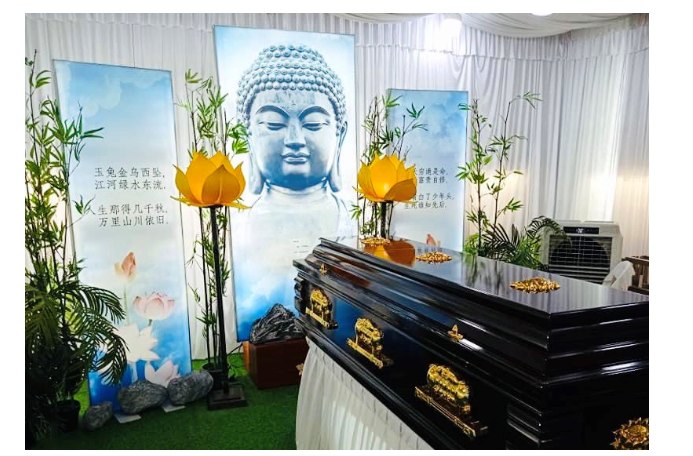
Singaporeans are a cultural and religious melting pot with diversity woven into the fabric of everyday life from holidays to the way families grieve for their losses. Buddhist Funeral Services is one of the major traditional religious practices here, more specifically within the community of Chinese.
These funeral services are not just externalities. Precisely these things have been life, death and karma. If you are new to Buddhist funerals or going to attend/arrange one in Singapore, here is a short primer of what these services look like.
Understanding the Buddhist Perspective on Death
One of the belifence in Buddhism death is not an end rather it is the starting of new life through reincarnation. Karma actions carried out during life are believed to determine the quality of the rebirth. So in Buddhism funeral rites are practices for sorrow as well guiding them well on to their next existence.
The funeral services are structured to:
- Help generate merit for the deceased through prayers and offerings.
- Provide comfort to the family and loved ones.
- Encourage reflection on impermanence and the cycle of life.
In Singapore, Buddhist Funeral Services often blend traditional Chinese customs with Buddhist teachings, creating a respectful and spiritually enriching farewell.
Key Components of Buddhist Funeral Services in Singapore
The kind of practices within these systems can be slightly different depending on the sect as a whole however the more typical elements still include:
1. Wake and Vigil
- The wake is usually held for 3 to 5 days at the family home, a void deck, funeral parlour, or temple hall.
- During this time, family members and guests pay their respects.
- A portrait of the deceased, a Buddhist altar, candles, incense, and offerings are placed at the site.
- Monks or nuns may chant sutras during the wake to help guide the soul and accumulate good karma.
2. Chanting and Prayer Sessions
Chanting plays a central role in Buddhist Funeral Services. Specific sutras, such as the Amitabha Sutra or the Heart Sutra, are recited by monks or lay devotees.
- These chants are believed to calm the soul and assist in reaching a favorable rebirth.
- Family members are encouraged to participate or at least remain present and respectful during these sessions.
3. Offerings and Rituals
- Offerings of fruits, flowers, water, and vegetarian food are placed at the altar.
- Burning incense and joss paper is common, though more conservative Buddhist sects may discourage excessive material offerings.
- A symbolic ritual of bathing the Buddha or releasing birds or fish may also be part of the ceremony to cultivate compassion and merit.
4. Funeral Procession and Cremation
- On the final day, a funeral procession is held where family members and guests accompany the coffin to the crematorium or burial site.
- Monks or religious leaders may lead a final chanting session before cremation.
- In Singapore, cremation is more common due to space constraints, and it usually takes place at public crematoria such as Mandai.
What Family Members Should Do
Family members of the deceased typically follow a set of traditions:
- Wear mourning clothes—often white or black with a small patch indicating their relationship to the deceased.
- Observe a mourning period, which may range from 49 days to 100 days depending on their beliefs.
- Refrain from attending festive events or celebrations during the mourning period.
- Host prayer sessions every 7 days for 49 days to help the deceased in their journey to rebirth.
Cultural Nuances in Singapore
Singapore’s Buddhist Funeral Services may incorporate unique elements influenced by Chinese customs and local traditions:
- Professional emcees may guide the proceedings to help guests understand each ritual.
- Live funeral bands, commonly arranged through services like funeralliveband.sg, perform somber music or traditional Buddhist hymns during wakes or processions.
- Condolence money is often given in white envelopes, and guests are usually offered refreshments and a small token (like candy or a towel) to take home.
These added elements help maintain respect and harmony while ensuring that the family feels supported.
The Role of Funeral Directors
Arranging a funeral can be overwhelming, especially during a time of grief. That’s why many families turn to professional funeral service providers who specialize in Buddhist rites. They help manage:
- Coordination with monks or temples
- Setup of altars and tents
- Supply of ceremonial items and attire
- Scheduling chanting sessions and cremation
- Organizing prayer sessions for the 49-day mourning period
Funeral directors serve as both organizers and emotional supporters, ensuring the funeral aligns with the family’s religious beliefs and traditions.
What Guests Should Know
If you are attending a Buddhist funeral in Singapore for the first time, here are a few etiquette tips:
- Dress conservatively, preferably in black or dark colors.
- Greet the family with a slight bow or gentle words of condolence.
- Bring a white envelope with condolence money (known as “bai jin”).
- Avoid loud conversations or using phones during chants or rituals.
- Follow the lead of others when offering incense or bowing at the altar.
Your presence alone is a gesture of respect and support, even if you’re not familiar with the customs.
A Time for Reflection and Healing
Buddhist funerals are solemn, yet contemplative moments. They serve as constant reminders of what is impermanent, compassion and mindfulness and the need for spiritual practice. Ceremonies are crafted to heal and to be in memory for not only our beloved dead but for The living.
Buddhist funeral services in Singapore’s fast-paced urban jungle has given me pause to pause, to reacquaint myself with tradition and to savour the deep wisdom of ancient practices that are still relevant even today for me.
Conclusion
Singapore being a multicultural and multi-religious society, strict respects and inclusiveness in funeral services are highly valued. Patronising the Buddhist Funeral Services in Singapore is an example of this co-existence, where religious traditions harmonize with professionalism to guide the soul and ease the family.
If you are seeking a compassionate and culturally sensitive provider to help arrange a Buddhist funeral, funeralliveband.sg offers specialized support, including live Buddhist music, altar setup, and full coordination with temples and monks. Their commitment to preserving sacred rituals while offering modern convenience makes them a trusted choice for families navigating the final journey of a loved one.
