



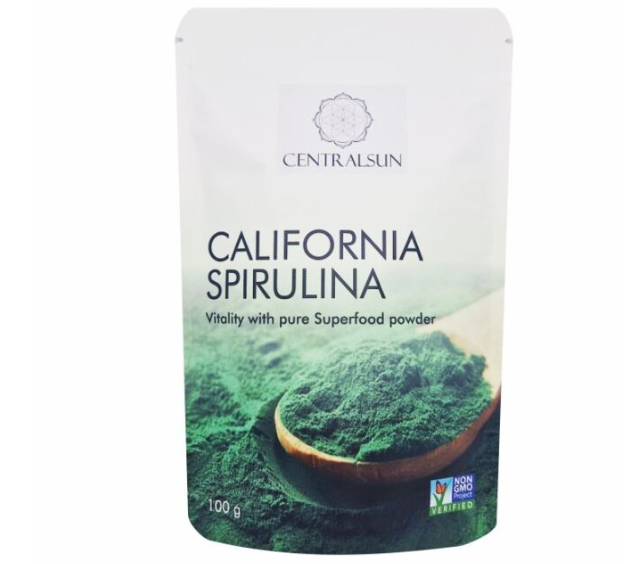
Introduction to Spirulina Powder
What Exactly is Spirulina Powder?
Californian spirulina is derived from a type of blue-green algae that grows in freshwater lakes, ponds, and rivers. Scientifically, spirulina belongs to the cyanobacteria family and is known for its spiral-like structure—hence the name “spirulina.” While it’s available in tablet and capsule form, the powdered version offers unmatched versatility in cooking and beverages.
What sets spirulina apart is its incredibly high protein content—about 60-70% by weight. It also contains essential amino acids, vitamins like B1 (thiamine), B2 (riboflavin), and B3 (niacin), as well as iron, magnesium, potassium, and calcium. Spirulina powder also boasts a vibrant blue-green color thanks to phycocyanin, a powerful antioxidant with anti-inflammatory properties.
In short, spirulina powder isn’t just a trendy ingredient—it’s a nutrient-dense superfood that offers genuine health benefits when consumed consistently.
A Brief History of Spirulina’s Use
Believe it or not, spirulina isn’t new on the scene. It’s been used for centuries, dating back to the Aztecs who harvested it from Lake Texcoco in Mexico. It was considered a staple food source due to its high nutrient density and ability to sustain energy during long days of activity.
In more recent times, spirulina gained global attention when NASA used it as a dietary supplement for astronauts in space missions. Its ability to grow in harsh conditions, high nutrient density, and sustainability made it an ideal choice for long-term space travel. Since then, spirulina has made its way into health food stores and wellness communities worldwide, often hailed as one of the most nutrient-rich foods on Earth.
The Nutritional Powerhouse of Spirulina
Key Nutrients Found in Spirulina Powder
If spirulina had a resume, it would be overflowing with qualifications. Just a single tablespoon (7 grams) of spirulina powder contains:
- Protein: 4 grams
- Vitamin B1 (Thiamine): 11% of the RDA
- Vitamin B2 (Riboflavin): 15% of the RDA
- Vitamin B3 (Niacin): 4% of the RDA
- Copper: 21% of the RDA
- Iron: 11% of the RDA
- Magnesium, potassium, and manganese in trace amounts
It also contains omega-6 and omega-3 fatty acids, albeit in small quantities, and a decent dose of chlorophyll and antioxidants like phycocyanin. Spirulina is low in calories but high in nutrients, making it ideal for weight loss, detox, and daily health maintenance.
Thanks to its complete amino acid profile, spirulina is especially popular among vegetarians and vegans who are looking for plant-based protein sources.
Comparison With Other Superfoods
When you stack spirulina against other well-known superfoods like kale, chlorella, or matcha, it often comes out on top. For example:
- Spirulina has more protein per gram than beef.
- It has a higher iron content than spinach.
- Unlike some green powders, spirulina is easily digestible and doesn’t require processing to break down cell walls.
Plus, unlike synthetic supplements, spirulina provides a more bioavailable form of nutrients, meaning your body can absorb and use them more efficiently.
Health Benefits of Spirulina Powder
Boosting Immunity Naturally
A strong immune system is your body’s first line of defense against illness, and Californian spirulina helps reinforce it from the inside out. One of the standout features of spirulina is its high concentration of antioxidants, especially phycocyanin, which gives the powder its striking blue-green hue. This antioxidant helps fight oxidative stress, supports immune cell function, and reduces inflammation.
Studies have shown that spirulina stimulates the production of antibodies and other cells that boost immunity. It can even enhance the activity of white blood cells, which play a key role in fighting off viruses and bacteria. Regular intake of spirulina can make you more resilient against colds, flu, and other infections.
People who suffer from allergies, sinus infections, or autoimmune conditions have also reported symptom relief after incorporating spirulina into their diets. It’s like giving your immune system a gentle but powerful shield against daily threats.
Potential Side Effects and Precautions
Who Should Be Cautious?
While spirulina is generally safe for most people, not everyone should jump in headfirst. If you have autoimmune diseases such as lupus, rheumatoid arthritis, or multiple sclerosis, spirulina may overstimulate your immune system. Always consult with a healthcare provider before adding it to your routine.
Pregnant or breastfeeding women should also speak to a doctor, especially if they’re considering high doses or unfamiliar brands. People with phenylketonuria (PKU) should avoid spirulina because it contains phenylalanine, an amino acid that their bodies cannot process.
Also, if you’re allergic to seafood or iodine, start with a small dose of spirulina and monitor your body’s response.
Common Side Effects to Watch Out For
For most people, side effects are rare and mild. However, some individuals may experience:
- Mild digestive issues like gas or bloating
- Headaches or dizziness
- Allergic reactions in rare cases
To reduce the risk of side effects, start with a small amount (like 1 gram per day) and gradually increase your intake. Make sure you’re buying spirulina from a reputable source—cheap or poorly manufactured products may be contaminated with harmful toxins or heavy metals.
Conclusion: Is Spirulina Powder Worth Adding to Your Diet?
If you’re searching for a single ingredient that can transform your health from the inside out, Californian spirulina is an excellent place to start. It’s not just a trend—it’s a time-tested, science-backed superfood packed with protein, essential vitamins, minerals, and antioxidants. Whether you’re a fitness junkie looking to boost muscle recovery, someone managing iron levels on a plant-based diet, or simply a health-conscious eater wanting to add more natural nutrients to your day, spirulina delivers on all fronts.
Yes, the taste may take some getting used to, and yes, quality matters big time. But with the right approach and some creativity in the kitchen, spirulina can seamlessly fit into your wellness routine.
So, is it worth it? Absolutely. Whether you’re sipping it in a smoothie, stirring it into soup, or tossing it into a salad dressing, spirulina powder is a small investment with huge nutritional returns.
FAQs About Spirulina Powder
1. Can spirulina detox your body?
Yes! Spirulina has natural detoxifying properties, especially due to chlorophyll and phycocyanin. It helps eliminate heavy metals and other toxins from the body while supporting liver function. Just make sure you’re hydrating well when adding spirulina to your routine to assist the detox process.
2. Does spirulina help with energy levels?
Definitely. Spirulina is rich in B vitamins, iron, and protein—all of which are vital for maintaining energy. Many users report feeling more energetic and less fatigued after adding spirulina to their morning routine.
3. Is spirulina good for kids?
Spirulina can be safe for kids in small amounts, but always consult a pediatrician first. It can be a helpful addition for children with picky eating habits who might be missing key nutrients—just make sure it’s from a clean, reputable source.
4. How long does it take to see results from spirulina?
Results can vary based on your health and how consistently you take it. Some people notice improved energy and digestion within a few days, while others experience benefits like clearer skin or better immunity after a few weeks.
5. Can spirulina be taken alongside other supplements?
Yes, spirulina is generally safe to combine with other vitamins and supplements. However, it’s always best to check with a healthcare professional to avoid overlapping nutrients or interactions—especially if you’re taking medication or other concentrated supplements.
