



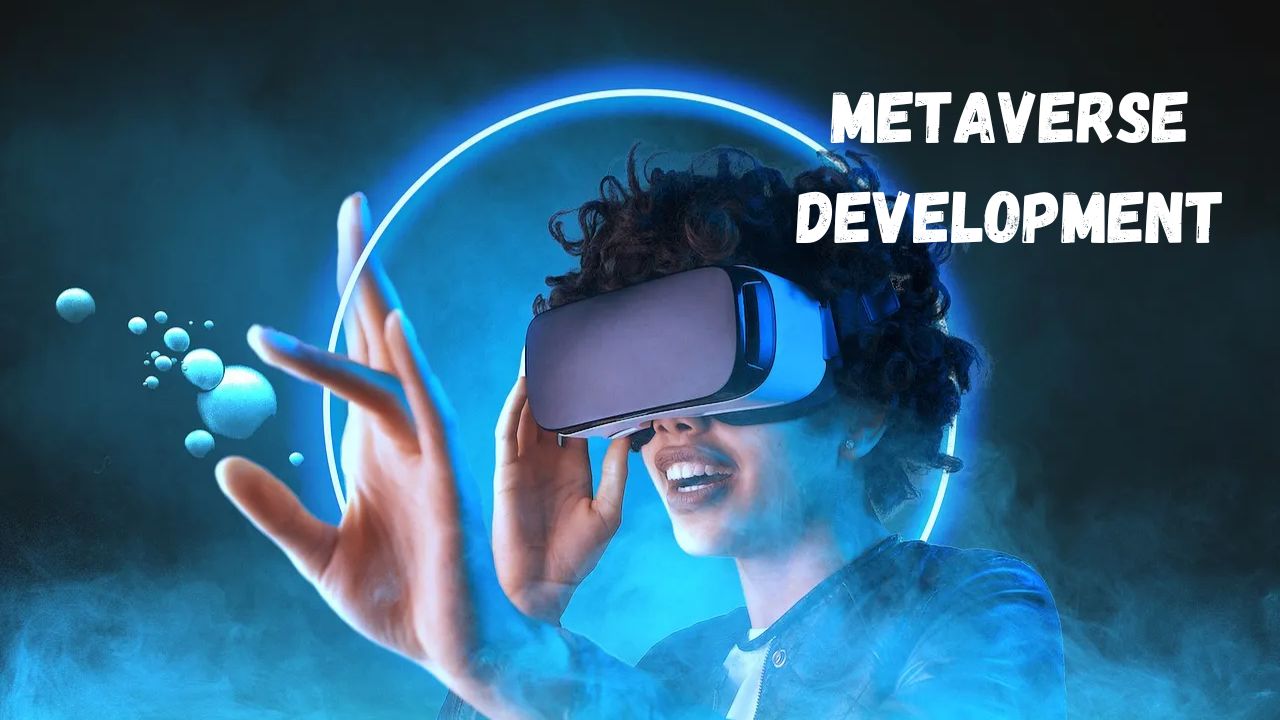
The metaverse is no longer just a concept from sci-fi movies; it’s rapidly transforming into a digital reality. With businesses, developers, and tech giants investing billions into its development, the metaverse is set to revolutionize how we interact, work, and socialize. This virtual world enables users to engage in immersive experiences using technologies like VR, AR, AI, and blockchain.
As industries explore its potential, metaverse development is becoming a critical area of innovation. In this article, we’ll dive into the key aspects of metaverse development, its impact, challenges, and future trends.
What Is Metaverse Development?
Metaverse development refers to the creation of interconnected virtual worlds where users can interact through digital avatars. It involves designing 3D environments, integrating blockchain for secure transactions, implementing AI for enhanced interactions, and using cloud computing for scalability. A well-developed metaverse provides seamless digital experiences, allowing users to socialize, trade, play, and even work in a virtual space. Companies are racing to build metaverse platforms that redefine digital engagement, making it a crucial area of technological advancement.
- The Evolution of the Metaverse and Its Impact on Technology
The concept of the metaverse has evolved significantly over the years. It started with basic virtual worlds like Second Life and evolved into highly interactive platforms like Decentraland and Meta’s Horizon Worlds. With advancements in VR, AI, and blockchain, the metaverse is becoming more immersive and decentralized. This evolution has influenced various industries, from gaming and e-commerce to healthcare and education, by enabling new forms of digital interaction. The impact of the metaverse on technology is profound, as it pushes the boundaries of AI, cloud computing, and digital security.
Why Businesses Are Investing in Metaverse Development?
Businesses are investing heavily in the metaverse because it offers vast opportunities for engagement and revenue generation. Key reasons include:
- New Market Expansion – Companies can reach global audiences with virtual products and services.
- Enhanced Customer Interaction – Brands can engage customers with immersive experiences like virtual showrooms and interactive advertising.
- Decentralized Economies – Blockchain-based transactions and NFTs provide new revenue streams.
- Remote Work and Collaboration – Businesses can create virtual offices, improving teamwork and reducing operational costs.
- Early Adoption Benefits – Entering the metaverse early ensures a competitive edge in the digital landscape.
These factors make the metaverse a lucrative investment for tech giants, startups, and industries worldwide.
Key Technologies Powering Metaverse Development
● Virtual Reality (VR) and Augmented Reality (AR)
VR and AR are essential for creating immersive metaverse experiences. VR provides a fully digital environment, while AR blends digital elements with the real world. Headsets like Oculus Quest and Microsoft HoloLens are revolutionizing how users interact within virtual spaces.
● Blockchain and NFTs for Digital Ownership
Blockchain ensures security, transparency, and decentralization in the metaverse. NFTs allow users to own virtual assets such as real estate, artwork, and collectibles, making digital ownership verifiable and tradeable.
● Artificial Intelligence (AI) in the Metaverse
AI enhances the metaverse by powering realistic avatars, automating NPC (non-playable character) interactions, and personalizing user experiences. AI-driven chatbots and virtual assistants improve engagement and accessibility.
● 3D Modeling and Digital Twin Technology
3D modeling creates realistic environments and avatars, while digital twin technology enables the simulation of real-world structures in the metaverse. This is particularly useful for industries like real estate and manufacturing.
● Cloud Computing and Edge Computing for Scalability
Cloud computing ensures that metaverse platforms can handle large-scale operations, while edge computing reduces latency, providing real-time interactions. Together, these technologies ensure seamless connectivity and performance.
5 Essential Features of a Metaverse Platform
● Immersive 3D Environments
A metaverse must offer highly interactive and visually rich 3D worlds where users can explore and engage seamlessly.
● Interoperability and Cross-Platform Connectivity
To enhance user experience, metaverse platforms should allow seamless integration across different devices, applications, and virtual worlds.
● Digital Avatars and Virtual Identities
Users should have customizable digital avatars that represent their virtual identity, allowing them to express themselves in unique ways.
● Decentralized Economies and Virtual Marketplaces
A robust metaverse includes digital currencies, NFT marketplaces, and blockchain transactions, enabling users to buy, sell, and trade virtual assets.
● Social Interaction and Real-Time Communication
Metaverse platforms must incorporate voice, video, and text communication features to facilitate social engagement and collaboration.
Steps to Develop a Metaverse Platform
1. Define the Metaverse Concept and Target Audience
The first step in metaverse development is to establish a clear vision and identify the target audience, whether it’s for gaming, social interaction, business, or education.
2. Choose the Right Tech Stack and Development Frameworks
Selecting the right technologies, such as game engines (Unreal Engine, Unity), blockchain networks (Ethereum, Solana), and cloud services, is crucial for a successful metaverse platform.
3. Develop a Scalable 3D Virtual Environment
Creating realistic and interactive 3D environments using high-quality modeling techniques is essential to keep users engaged.
4. Integrate Blockchain for Secure Transactions and NFTs
Blockchain integration ensures secure transactions, digital ownership, and decentralized control, enhancing trust and transparency.
5. Implement AI and Machine Learning for Enhanced User Experiences
AI-driven features like automated NPCs, personalized recommendations, and adaptive environments improve user engagement.
6. Enable VR/AR Functionality for Full Immersion
VR and AR integration allows users to experience the metaverse more realistically, boosting engagement and interactivity.
7. Test, Optimize, and Deploy the Metaverse Application
Before launch, thorough testing and optimization are required to ensure seamless performance and user satisfaction.
Industries Benefiting from Metaverse Development
● Gaming and Entertainment
The gaming industry is at the forefront of metaverse adoption, offering immersive gameplay, virtual economies, and social interactions.
● Retail and E-Commerce
Brands are using the metaverse to create virtual stores, allowing customers to explore products in 3D and make purchases using digital currencies.
● Education and Virtual Learning Platforms
Educational institutions are leveraging metaverse technology to provide interactive learning experiences, virtual classrooms, and training simulations.
● Healthcare and Telemedicine
Doctors and medical professionals use the metaverse for virtual consultations, remote surgeries, and medical training.
● Real Estate and Virtual Property Development
The metaverse enables virtual property tours, digital real estate investments, and architectural simulations.
Challenges in Metaverse Development
● High Infrastructure and Development Costs
Building a metaverse requires significant investment in technology, hardware, and development resources.
● Ensuring Cybersecurity and Data Privacy
With users’ personal and financial data stored in virtual environments, ensuring strong cybersecurity measures is crucial.
● Creating Interoperability Between Different Virtual Worlds
Making various metaverse platforms compatible with each other remains a major challenge.
● Managing Ethical and Legal Concerns in the Metaverse
Issues like digital rights, harassment, and virtual crime need regulatory frameworks to protect users.
● User Adoption and Accessibility Issues
Widespread adoption depends on making metaverse experiences more user-friendly and accessible.
Future Trends in Metaverse Development
- The Rise of AI-Generated Virtual Worlds
- Metaverse Integration with Web3 and Decentralized Finance (DeFi)
- Enhanced Virtual Workspaces for Remote Collaboration
- Sustainable and Green Metaverse Technologies
How Moon Technolabs Can Help You Build an Innovative Metaverse Solution?
Moon Technolabs is a leader in metaverse development, offering customized solutions for businesses looking to establish a virtual presence. Their expertise in VR, AR, blockchain, and AI ensures the creation of cutting-edge metaverse platforms tailored to your needs.
Conclusion
The metaverse revolutionizes digital experiences, creating endless opportunities for businesses and individuals. With advancements in VR, AI, and blockchain development, the future of the metaverse looks promising. However, overcoming challenges like interoperability, security, and accessibility will be key to its success. Investing in metaverse development today can position businesses ahead in the digital future.
FAQs
- What are the key components of a successful metaverse platform?
A successful metaverse platform includes immersive 3D environments, blockchain integration, AI-driven interactions, decentralized economies, and social engagement features. - How does blockchain enhance security in the metaverse?
Blockchain provides decentralized data storage, secure transactions, and verifiable digital ownership, ensuring a safe virtual environment. - Which industries can benefit the most from metaverse development?
Industries like gaming, retail, education, healthcare, and real estate can leverage the metaverse for innovative digital experiences. - What are the biggest challenges in building a metaverse?
Challenges include high infrastructure costs, cybersecurity risks, interoperability issues, and user accessibility concerns. - How can Moon Technolabs assist in metaverse development?
Moon Technolabs offers advanced metaverse solutions with expertise in VR, blockchain, AI, and cloud computing.
