



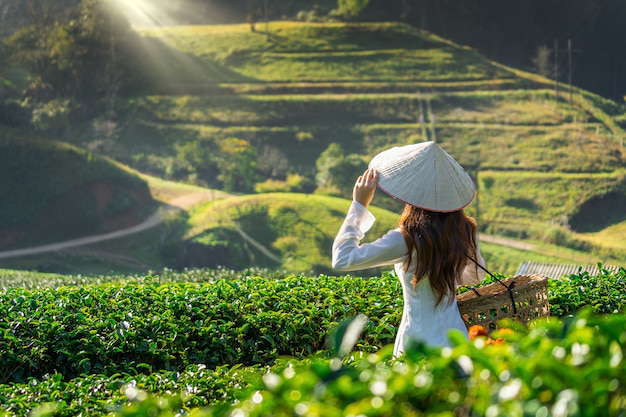
The Charleston Tea Garden is situated on Wadmalaw Island, and it has earned its name as an exclusive destination where lots of casual visitors and tea enthusiasts flock in. The notable thing about this tea garden is that it is the only tea plantation in North America. It features 127 acres of Camellia sinensis plants. If you visit Charleston, you will get a golden chance to explore various extensive grounds. Additionally, you can explore the process of tea production while enjoying the breathtaking scenery.
What does the tea garden offer?
The Bigelow Tea Company operates the tea garden of Charleston. Visitors who visit this garden get an opportunity to taste the superb taste of American Classic Tea. It displays the capability of this region to grow superior-grade tea. The garden remains open throughout the year; hence, everyone finds the Charleston Tea Garden to be welcoming visitors with a working tea factory, educational tours, and a magnificent gift shop. Charleston is full of rich agricultural heritage and scenic landscape. The Charleston Tea Garden presents everyone with a chance to go through the process of tea making. This feature makes this place a must-visit location for countless tourists and visitors alike.
The history of the tea garden
The tea garden of Charleston has a history, and its roots date back to the eighteenth century. The journey of this tea garden comprises preliminary trials at tea cultivation, as well as an incessant innovation in the production of tea.
The early years and origins
In the 1700s, the cultivation of tea in the UK started. During this time, Camellia sinensis plants were imported from China. The early efforts in SC confronted several kinds of challenges. Several attempts were made to grow and produce tea, but these failed for over one century. Charleston has exclusive soil conditions and climate, and they didn’t support optimistic cultivation at that time.
The growth and development
In the 1960s, a remarkable progression happened when the Pinehurst Tea Plantation was acquired by the Thomas J. Lipton Company. It transferred surviving tea plants, and this relocation marked the start of a highly focused effort to cultivate tea in this part. A skilled tea taster named William B. Hall in 1987 bought the plantation before he set up the Charleston Tea Garden. This way, he revitalized the production of tea.
The innovations
Today, The Charleston Tea Garden has become a well-known tea producer in the United States. Visitors from far and wide explore the production procedure of tea through either tastings or tours and, most of the time, both. This garden stresses some sustainable practices besides local heritage. This way, it becomes successful in displaying different varieties of tea that have been derived from multiple places. Some innovations in the methods of cultivation and production have made the Charleston Tea Garden an exclusive destination for both tourists and tea enthusiasts. Thus, it has managed to preserve its historical importance while making adjustments to modern demands, too.
