



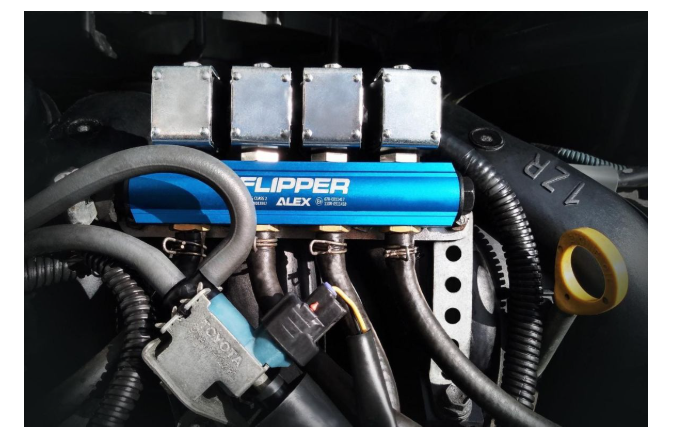
Direct injection engines have become increasingly popular due to their efficiency and performance benefits. However, many car owners wonder whether it’s possible to install an LPG system in such engines to reduce fuel costs. While it is feasible, the process requires specialized equipment and expertise. In this article, we’ll explore the key aspects of LPG installation in direct injection engines, the advantages, and what to consider before making the switch.
Can You Install an LPG System in a Direct Injection Engine?
Yes, but not all LPG systems are suitable for direct injection engines. Unlike conventional LPG conversions, where fuel is injected into the intake manifold, direct injection engines require gas injection that works in sync with the gasoline fuel system. This is crucial for proper injector lubrication and preventing long-term damage.
Modern LPG systems designed for direct injection engines, such as Prins VSI-2.0 DI or BRC Sequent Direct Injection, incorporate advanced fuel management to ensure smooth operation. These systems inject a small amount of gasoline alongside LPG to protect injectors from overheating and premature wear. Additionally, newer LPG solutions are equipped with adaptive fuel mapping to optimize performance based on driving conditions.
Key Components of an LPG System for Direct Injection Engines
- LPG Controller (ECU) – Advanced electronic control units, like the STAG 400 DPI or Zavoli Direct, manage the gas injection process and ensure a seamless transition between gasoline and LPG.
- High-Pressure Reducers and Injectors – Components such as the AC STAG R01 reducer and Barracuda injectors ensure optimal fuel atomization and smooth engine performance.
- Injector Protection Mechanisms – Some systems periodically inject small amounts of gasoline to prevent direct injectors from overheating, extending their lifespan.
- Specialized Filters and Sensors – High-efficiency filters, like FlashLube valve saver systems, help keep injectors clean and maintain proper fuel-air mixture ratios.
- Adaptive Fuel Mapping Technology – Some advanced LPG systems continuously adjust fuel injection parameters for maximum efficiency and performance under different driving conditions.
Benefits of Installing an LPG System in a Direct Injection Engine
Choosing auto gas in Warsaw offers numerous advantages, making it an attractive option for drivers looking to save on fuel costs and reduce their environmental footprint. Here are the key benefits:
- Significant Fuel Cost Savings
LPG is often 40–50% cheaper than gasoline, meaning drivers can save thousands over time. Even with the additional gasoline injection required in direct injection systems, the cost savings remain substantial.
- Lower Emissions
Switching to LPG reduces CO₂ emissions and cuts down on harmful substances like nitrogen oxides (NOx) and particulate matter. This makes LPG a greener alternative, especially for urban driving.
- Extended Engine Life
Unlike gasoline, LPG burns cleaner and doesn’t contain harmful additives like benzene or sulfur. This leads to reduced carbon buildup, keeping the engine in better condition over time.
- Increased Driving Range
With a dual-fuel setup, drivers have the flexibility of using both gasoline and LPG, effectively increasing the vehicle’s range without frequent refueling.
Challenges of LPG Installation
Although installing LPG in modern direct injection engines is feasible, several conditions must be met to ensure a successful conversion:
- Choosing the Right LPG System
Not every LPG system is compatible with direct injection engines. Brands like Prins, BRC, and STAG offer dedicated solutions, but it’s essential to consult a professional installer to find the best match for your vehicle.
- Professional Calibration is Essential
Unlike traditional LPG systems, direct injection setups require precise calibration. Incorrect settings can lead to poor fuel efficiency, rough idling, or even engine damage. A skilled technician must fine-tune the system to ensure optimal performance.
- Higher Installation Costs
LPG systems for direct injection engines are more complex and expensive than standard ones. Installation costs typically range from $1,500 to $3,000, depending on the vehicle and the system chosen. However, fuel savings often offset this investment within a couple of years.
- Compatibility with Vehicle Electronics
Modern cars have advanced engine management systems that must integrate seamlessly with LPG control units. A poorly configured installation can trigger check-engine lights or cause performance issues, emphasizing the need for experienced installers.
Where to Install an LPG System?
For the best results, it’s crucial to choose a reputable workshop specializing in LPG installation. Look for certified installers who provide:
- A thorough vehicle assessment to determine system compatibility.
- High-quality installation with warranty-backed components.
- Proper ECU tuning to ensure smooth operation and fuel efficiency.
- Post-installation support and routine maintenance services.
Conclusion
Installing an LPG system in a direct injection engine is a viable option for drivers looking to cut fuel costs and reduce emissions. While the process requires specialized components and professional installation, the benefits – lower expenses, cleaner emissions, and extended engine life – make it a worthwhile investment. Choosing the right LPG system and a trusted installer ensures a smooth and efficient transition to a dual-fuel setup, allowing drivers to enjoy the best of both worlds.
As automotive technology continues to evolve, modern LPG systems are becoming more refined, providing better fuel efficiency and reliability. With the right approach, LPG conversion can significantly enhance the driving experience, making it an excellent alternative for eco-conscious and budget-savvy motorists.
