



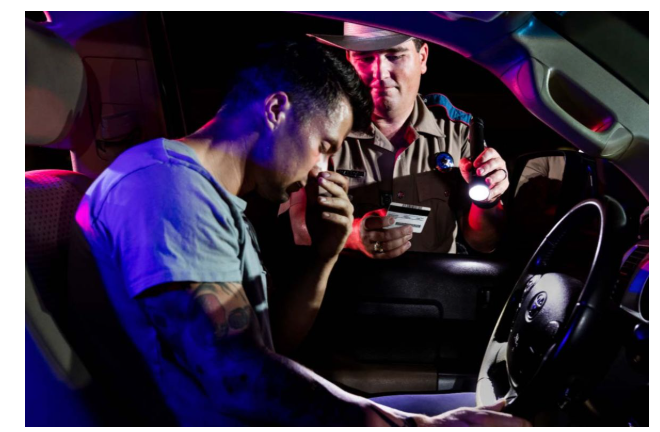
Driving While Intoxicated (DWI) is a serious issue that continues to affect communities worldwide. It refers to the criminal offense of operating a vehicle while under the influence of alcohol or drugs, impairing a person’s ability to drive safely. While laws regarding DWI may differ by country or state, the consequences of impaired driving are universally grave, from legal repercussions to life-altering accidents. Understanding the importance of preventing DWI and the risks it poses can help foster safer roads and greater awareness around this pervasive issue.
The Definition of DWI
DWI stands for “Driving While Intoxicated” and refers to the illegal act of driving under the influence of alcohol, drugs, or a combination of both. While DUI (Driving Under the Influence) is often used interchangeably with DWI, the legal terminology may vary based on jurisdiction. Generally, a person is considered intoxicated when their blood alcohol concentration (BAC) exceeds the legal limit, typically 0.08% in many places.
However, it’s not just alcohol that can impair driving abilities. Drugs—whether prescription, over-the-counter, or illegal—can have a similar impact. Certain prescription medications, such as opioids, can make drivers drowsy or less alert. Additionally, illegal substances like marijuana or cocaine can alter one’s reaction time, decision-making, and perception, all of which are critical for safe driving.
The Risks and Consequences of DWI
The dangers of DWI are stark and well-documented. When a person drives while impaired, they significantly increase the likelihood of accidents, injuries, and fatalities. Alcohol and drugs affect the brain’s ability to process information, slow reaction times, and distort judgment, all of which are vital for making quick, life-saving decisions on the road.
The consequences of DWI go beyond just accidents. Legal repercussions for DWI offenses can include fines, license suspensions, mandatory alcohol or drug education programs, and even imprisonment in severe cases. In addition to criminal penalties, a DWI conviction can have long-term personal and professional effects. For example, a person’s employment, insurance rates, and reputation can all suffer as a result of a DWI offense.
Impaired Driving and Its Impact on Public Safety
DWI-related accidents often result in tragic outcomes. According to various studies and reports, impaired driving is one of the leading causes of traffic fatalities worldwide. In many cases, individuals involved in DWI accidents may suffer from life-changing injuries, and unfortunately, these accidents often involve innocent bystanders. The emotional, physical, and financial toll on both the offenders and the victims’ families is immeasurable.
Moreover, DWI contributes to the broader public safety issue of reckless driving. When individuals take the risk of driving under the influence, they put not only themselves but also other drivers, pedestrians, and passengers in harm’s way. Public education and awareness programs aim to reduce these risks by informing individuals about the dangers of driving while impaired and encouraging responsible behaviors.
Prevention: What Can Be Done?
The best way to address DWI is through prevention. Awareness campaigns, such as “Drive Sober or Get Pulled Over,” have made strides in reducing impaired driving by encouraging individuals to make responsible choices. Public service announcements, school programs, and community outreach efforts educate people about the risks and consequences of impaired driving, emphasizing the importance of designated drivers and alternative transportation options.
For those who choose to drink or use drugs, it’s critical to plan ahead and make arrangements for a safe way to get home. Services such as ride-sharing apps (like Uber and Lyft) and public transportation options have made it easier for individuals to avoid getting behind the wheel when intoxicated. Designating a sober driver, using taxis, or staying overnight when possible are all smart and responsible decisions that can prevent impaired driving.
Legal Measures to Combat DWI
Laws surrounding DWI are continually evolving to address the severity of the issue. Many states and countries have enacted strict penalties for offenders, particularly for repeat offenders. For example, in some places, a person who is caught driving while intoxicated multiple times may face harsher penalties, including longer license suspensions, longer jail terms, and mandatory rehabilitation programs.
In addition to criminal penalties, there are also measures such as ignition interlock devices, which require a driver to breathe into a device before starting their car to ensure they are not intoxicated. These devices can be mandated for certain offenders as a condition for regaining driving privileges.
Conclusion: The Importance of Accountability and Responsibility
DWI is a serious offense that not only puts the driver at risk but also endangers the lives of others on the road. While laws and prevention efforts have made progress in reducing the frequency of impaired driving, more education and awareness are needed to combat this issue. It’s essential to remember that driving is a responsibility and that alcohol or drugs should never impair the ability to make sound decisions behind the wheel.
As a society, we must continue to hold individuals accountable for their actions while also offering resources and support for those who struggle with substance use. By fostering a culture of responsibility, educating the public, and reinforcing the importance of making safe decisions, we can work toward reducing the incidence of DWI and creating safer roads for everyone.
