



Abstract
The article explores the transformation of bridal fashion within the context of global changes in the fashion industry.
It examines how the couture approach and bespoke design serve as tools not only for aesthetic expression but also for economic development.
Using contemporary trends as examples, it demonstrates that exclusivity, craftsmanship, and personalization have become drivers of sustainable growth for small businesses in the luxury fashion segment.
Introduction
Modern fashion is undergoing a period of profound rethinking.
While global brands once dictated style and standards, today the audience’s attention is shifting toward individuality and authorial expression.
This trend is particularly evident in the bridal industry—one of the most emotional and symbolic sectors of the fashion business.
A wedding dress has long ceased to be merely clothing. It has become an expression of personality, a story embodied in fabric.
That is why the couture approach, based on bespoke tailoring and craftsmanship, is once again taking center stage.
1. Couture as the Philosophy of Contemporary Design
Couture is not just a sewing technique—it is a distinct mindset in which every piece becomes a work of art.
Handcraftsmanship, precision in cutting, and attention to detail form a value that transcends trends and time.
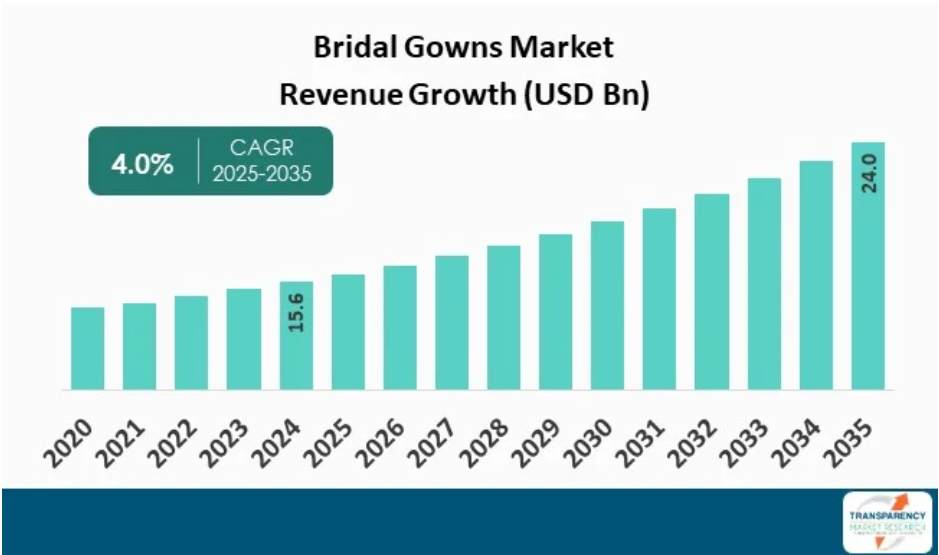
According to Statista (2024), the global couture segment of the bridal fashion market is growing annually by 7.3%, outpacing fast fashion by more than threefold.
This growth is driven by the demand for authenticity, uniqueness, and emotional value in products.
2. Exclusivity and Handcraftsmanship as a Business Model
Handcraftsmanship is becoming not just a craft, but a strategic advantage.
The creation of bespoke wedding gowns requires high levels of skill, precision, and artistic vision.
This approach fosters trust between designer and client, forming the foundation for a sustainable business in the luxury segment.
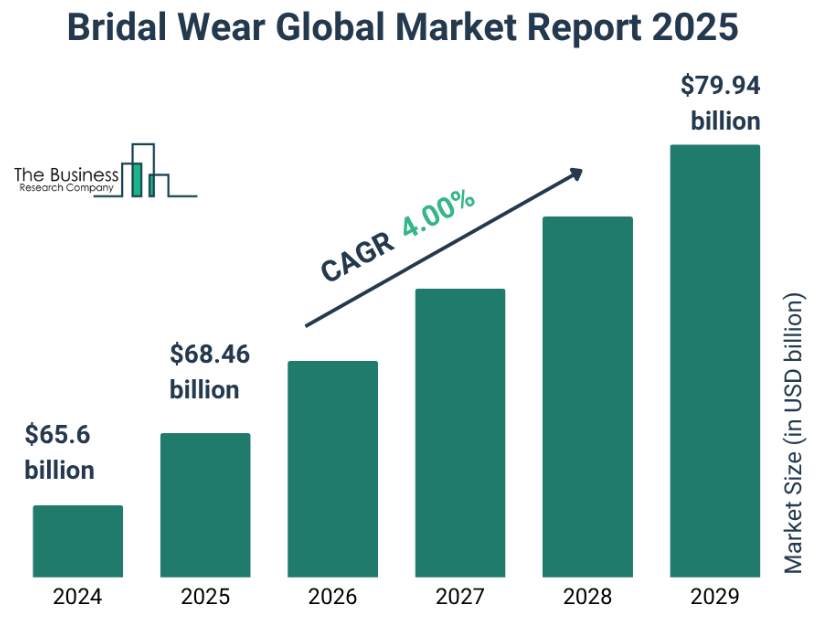
According to McKinsey (2025), demand for handcrafted products in the luxury fashion sector has increased by 42% over the past five years.
The market is returning to the idea of “slow fashion” — fashion that is high-quality, personalized, and enduring.
3. International Development and Cultural Adaptation
A modern designer must work in a multicultural environment.
Bridal fashion is no longer a local phenomenon — it synthesizes traditions and aesthetic codes from different cultures.
Working with clients from various countries requires an understanding of the symbolism of color, shape, fabric, and even movement.
The international approach has become part of a designer’s professional ethics.
It unites European craftsmanship, Eastern ornamentation, and the American marketing style, creating a new direction — global couture.
4. Fashion Entrepreneurship: Fashion as a Business of Sustainable Development
Fashion is no longer limited to creativity — it is a business that requires strategic thinking.
A modern designer is simultaneously an entrepreneur, analyst, and psychologist.
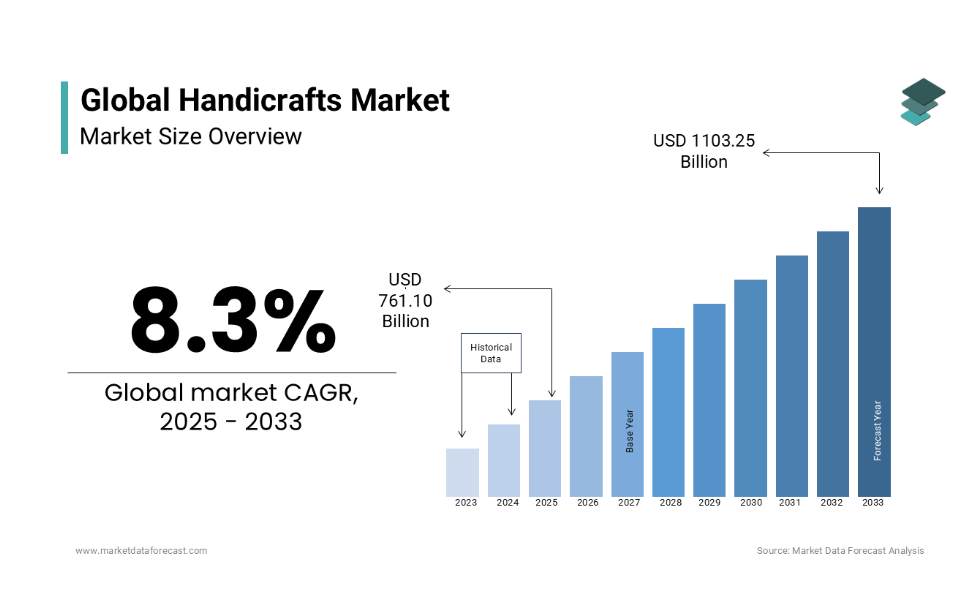
According to Deloitte (2025), the number of independent designers launching their own brands has grown by 58%.
The bridal fashion niche is developing especially actively, as each collection demands not only artistic vision but also managerial competence.
5. Digitalization and the New Format of Client Experience
Digital technologies have transformed not only the sales process but also the very philosophy of client interaction.
Modern couture salons use 3D visualization, virtual fittings, and CRM systems to provide personalized client experiences.
Digital fashion helps preserve individuality while scaling a business.
This is especially important for small brands striving to expand internationally without losing their sense of exclusivity.
6. Ethics and Emotional Value in Design
Today’s consumer chooses not just a dress but an emotion, a story, a philosophy.
This trend shapes a new paradigm in fashion — an aesthetics of mindfulness.
The designer becomes a storyteller, and their creations serve as a visual language of trust and emotion.
According to Harvard Business Review (2025), 67% of luxury consumers make purchases based on emotional connection with a brand rather than status or price.
Thus, couture design transforms into a form of art where the economy is rooted in human emotion.
The development of couture business in the 21st century is increasingly associated with the concept of emotional economy.
Consumers choose not only a product but also the brand’s values: respect for craftsmanship, transparency of material origins, and human involvement in the creative process.
This tendency strengthens the role of designers as bearers of cultural identity and as entrepreneurs of a new generation — for whom fashion becomes not merely a commercial activity, but a form of cultural and social dialogue.
Conclusion
Contemporary bridal fashion has become a reflection of a new economic philosophy — an economy of meaning and emotion.
Personalized design, craftsmanship, and cultural awareness create sustainable brands capable of thriving beyond fleeting trends.
Fashion is returning to its original purpose — to express individuality and inspire, rather than to serve as a mass product.
This is the true power of modern couture design: it unites beauty, craftsmanship, and the economy of the future.
References
- Statista. Global Bridal Couture Market Report. 2024.
- McKinsey. Luxury Fashion Industry Insights. 2025.
- Vogue Business Intelligence. Cross-Cultural Design in Fashion. 2025.
- Deloitte. Independent Fashion Entrepreneurship Report. 2025.
- PwC. Digital Transformation in Luxury Fashion. 2024.
- Harvard Business Review. Emotional Value in the Fashion Market. 2025.
