



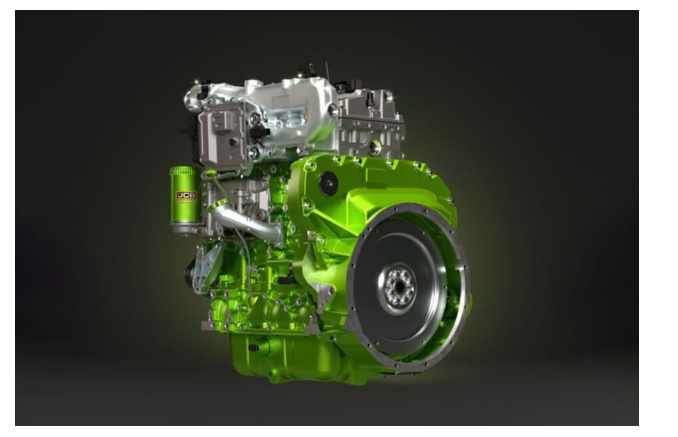
The automotive industry has taken a giant leap forward with the approval of the world’s first fully hydrogen internal combustion engine (ICE). Developed by the British company JCB, this revolutionary engine promises to redefine transportation by offering an environmentally friendly alternative to traditional fossil fuel-powered engines.
What is a Fully Hydrogen Internal Combustion Engine?
A hydrogen-powered internal combustion engine operates on the same principles as conventional gasoline and diesel engines but uses hydrogen instead of fossil fuels. The main difference is that when hydrogen is burned, it generates energy, and the primary byproduct is water vapor. This technology not only significantly reduces carbon emissions but also offers high energy efficiency and the potential for quick refueling times.
JCB: A Pioneer in Industrial Innovation
Founded in 1945, JCB is well-known for its leadership in construction equipment manufacturing. The company is now making its mark in the automotive industry with its hydrogen engine development. After years of research and innovation, JCB’s hydrogen engine has been approved for commercial use, marking a pivotal moment in the future of transportation solutions and carbon emission reduction.
The Impact of Hydrogen Engines on the Automotive Industry
The commercial approval of hydrogen engines has the potential to reshape the automotive industry, offering a cleaner alternative to traditional engines. With hydrogen-powered vehicles, emissions from burning fossil fuels could be significantly reduced, helping to meet global climate targets.
This technological breakthrough could have a profound impact not only on the automotive sector but also on industries dependent on transportation. Hydrogen engines could help businesses reduce their carbon footprints while improving operational efficiency and sustainability.
Advantages of Hydrogen Engines Over Electric Vehicles
While electric vehicles (EVs) have gained popularity, hydrogen engines present several advantages:
1.Fast Refueling: Hydrogen vehicles can be refueled in just a few minutes, unlike electric vehicles, which can take several hours to charge. This makes hydrogen-powered vehicles much more practical for long-distance transportation and reduces the need for extensive charging infrastructure.
2.Longer Range: Hydrogen engines offer a higher energy density compared to batteries, resulting in longer driving ranges per refuel. This is crucial for customers and industries that rely on long-distance travel and transportation.
3.Environmental Benefits: Like EVs, hydrogen-powered vehicles produce zero harmful emissions. However, they do not require the same level of charging infrastructure and can operate over larger distances without the constraints of battery limitations.
4.Cost-Effectiveness: While hydrogen fuel production and infrastructure may currently be expensive, these costs are expected to decrease as the technology matures and economies of scale kick in.
The Challenges and Future of Hydrogen Engine Technology
Despite the many advantages, hydrogen engines face significant challenges, particularly the high cost of production and the limited infrastructure for hydrogen refueling stations. However, with increasing investments in green technologies and governmental incentives for reducing carbon emissions, these obstacles are likely to be overcome.
Manufacturers like Toyota, BMW, and Hyundai are already investing in hydrogen vehicle technology, with models like the Toyota Mirai, BMW’s hydrogen initiatives, and Hyundai’s Nexo paving the way for widespread adoption.
Conclusion
The approval of JCB’s fully hydrogen internal combustion engine is a monumental step towards a sustainable future for transportation. By offering a practical, eco-friendly solution to carbon emissions, hydrogen engines have the potential to become a mainstream alternative to traditional fossil fuel-powered vehicles. As infrastructure improves and costs decrease, the widespread use of hydrogen-powered vehicles could revolutionize the automotive industry, contributing to a cleaner, greener planet.
For those looking to experience eco-friendly alternatives in the rental car industry, Travel Cars EOOD is an excellent choice, offering innovative and sustainable car rental solutions for both businesses and individuals.
