



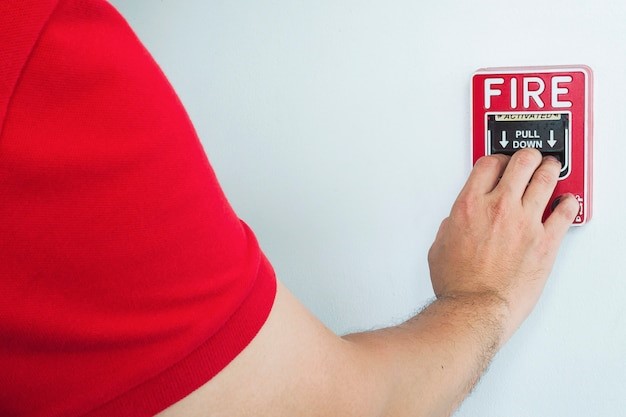
Managing a high-rise building of over 20 stories comes with immense responsibilities. Among these, ensuring the safety of tenants, employees, and visitors is paramount. Fire safety should always be a top priority, particularly in large buildings where the complexity and scale of operations can significantly amplify risks. This blog will explore why proper fire alarm installation is essential in high-rise buildings, the benefits it provides, and what can go wrong when fire alarms are not installed correctly.
Why Proper Fire Alarm Installation is Crucial
High-rise buildings are unique environments that require robust fire safety measures. With a dense population, multiple floors, and interconnected systems, these buildings are inherently more vulnerable to the devastating effects of fire. Proper fire alarm installation acts as the first line of defense in preventing loss of life and property damage. Here’s why:
- Rapid Detection of Fire: In large buildings, detecting a fire early is critical. Properly installed alarms can identify the presence of smoke or heat within seconds, allowing for swift action.
- Effective Evacuation Procedures: High-rise buildings have specific evacuation challenges due to their vertical structure. A well-designed fire alarm system coordinates with the building’s evacuation protocols, ensuring occupants are directed to safety in an orderly manner.
- Compliance with Legal and Insurance Requirements: Most jurisdictions mandate strict fire safety codes for high-rise buildings. Improper installation can result in legal penalties, increased liability, and even loss of insurance coverage.
- Minimizing Chaos: Fires can cause panic, especially in densely populated buildings. Properly installed alarms reduce confusion by clearly signaling the type of threat and guiding people to safety.
Benefits of Proper Fire Alarm Installation
The advantages of investing in a professionally installed fire alarm system go beyond just compliance and safety. Here are the key benefits:
- Saving Lives: This is the most significant benefit. A reliable fire alarm system alerts occupants early, giving them more time to evacuate.
- Protecting Property: Early detection not only saves lives but also minimizes property damage by enabling quicker responses from fire suppression systems and emergency services.
- Enhanced Communication: Many modern fire alarm systems are integrated with voice evacuation and public address systems. These provide clear instructions, especially crucial in complex high-rise layouts.
- Integration with Building Systems: High-rise buildings often utilize integrated safety systems, such as sprinklers, HVAC shutdowns, and access control. Proper fire alarm installation ensures seamless coordination among these systems.
- Improved Tenant Confidence: A well-maintained fire safety system instills trust among tenants and employees. When occupants know their safety is a priority, it boosts morale and fosters long-term relationships.
- Cost Efficiency: Proper installation reduces false alarms, which can be expensive and disruptive. It also ensures the system operates efficiently, lowering maintenance and repair costs over time.
The Risks of Improper Fire Alarm Installation: A Cautionary Tale
To illustrate the dangers of inadequate fire alarm installation, consider the following cautionary tale.
In a 25-story residential building, a newly installed fire alarm system failed to operate correctly during an actual fire incident. Investigations later revealed several issues:
- Inaccurate System Design: The alarm system did not account for blind spots in stairwells and utility areas, leading to delayed detection.
- Improper Installation: Wiring errors caused several detectors to malfunction, and key notification devices, such as strobes and speakers, were not functional on certain floors.
- Insufficient Maintenance: The system’s components were not adequately tested post-installation, allowing small faults to go unnoticed.
When a fire broke out in a storage room, the alarm system failed to notify occupants in time. Smoke filled several floors before the fire department arrived, leading to chaos and injuries as residents attempted to evacuate. Tragically, two lives were lost, and the building suffered millions of dollars in damage. The property management faced legal action and significant reputational harm.
This tragedy underscores the importance of working with certified professionals and following best practices for fire alarm installation. Cutting corners to save money can lead to catastrophic consequences.
Best Practices for Fire Alarm Installation in High-Rise Buildings
To avoid scenarios like the one above, high-rise property managers and building owners should adhere to the following best practices:
- Hire Certified Professionals: Always work with licensed contractors experienced in fire alarm system design and installation. Check their credentials and references.
- Conduct Thorough Risk Assessments: Each high-rise building has unique needs. Ensure a comprehensive risk assessment is conducted to identify vulnerabilities and tailor the fire alarm system accordingly.
- Invest in Quality Systems: Use reliable and high-quality fire alarm equipment from reputable manufacturers. Cutting costs on equipment can compromise safety.
- Ensure Regular Testing and Maintenance: Even the best systems require regular inspections to ensure functionality. Schedule routine tests to detect and address potential issues promptly.
- Train Staff and Occupants: Educate tenants and building staff on fire safety protocols, including the operation of alarm systems and evacuation procedures.
- Integrate with Other Safety Systems: Coordinate fire alarms with sprinklers, smoke detectors, and HVAC systems to create a cohesive safety network.
Proper fire alarm installation is not just a regulatory requirement for high-rise buildings—it’s a critical component of occupant safety and property protection. By investing in a reliable, professionally installed fire alarm system, property managers and building owners can ensure early detection, smooth evacuations, and peace of mind.
Remember, the cost of improper installation goes far beyond monetary losses. It can lead to irreparable harm to lives, reputations, and future opportunities. Prioritize fire safety, work with trusted professionals, and ensure your building’s fire alarm system is up to the highest standards.
High-rise buildings are marvels of modern architecture, but their complexity demands vigilance in safety measures. Make fire alarm installation your top priority and provide the protection your tenants and property deserve.
