



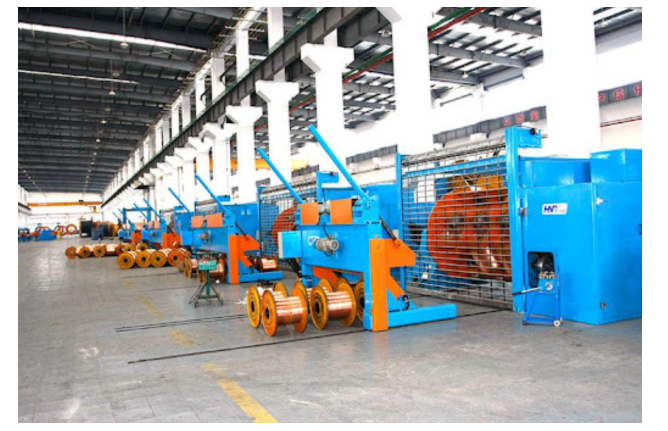
Cable stranding machines are essential in the production of cables for a wide range of industries, from telecommunications to automotive and energy. These machines twist individual wires into a unified strand, creating cables that are strong, flexible, and efficient. Whether you’re a cable manufacturer or someone interested in the technical side of the industry, this detailed guide will walk you through everything you need to know about cable stranding machines.
What Are Cable Stranding Machines?
Cable stranding machines are specialized equipment used to intertwine individual wires, creating multi-strand cables. These machines are crucial for producing durable and flexible cables that can withstand stress and perform reliably over time. They are designed to handle different wire types, such as copper, aluminum, and steel, depending on the industry’s needs.
Why Are Cable Stranding Machines Important?
The significance of cable stranding machines lies in their ability to improve cable performance. Stranded cables are superior to single-wire alternatives in several ways:
- Enhanced Strength: Stranding adds tensile strength, making cables more durable.
- Greater Flexibility: Stranded cables are easier to bend and maneuver, making them ideal for dynamic applications.
- Improved Conductivity: The close arrangement of wires reduces electrical resistance and increases efficiency.
- Custom Configurations: Stranding allows manufacturers to create cables tailored to specific industrial requirements.
Types of Cable Stranding Machines
Different industries require specific types of cable stranding machines. Let’s explore the most common ones:
- Rigid Stranding Machines
- Use Case: Ideal for low- and medium-voltage power cables.
- Features:
- High-speed operation
- Uniform twisting for consistent cable quality
- Ability to handle heavy-duty applications
- Tubular Stranding Machines
- Use Case: Suitable for producing control, data, and power cables.
- Features:
- Lightweight design for faster operation
- Compatibility with medium-sized wires
- High precision in strand formation
- Planetary Stranding Machines
- Use Case: Commonly used for complex cable designs and multi-layer stranding.
- Features:
- Versatile configurations
- Customizable operations
- Ability to create intricate cable structures
- Bow Stranding Machines
- Use Case: Perfect for small- to medium-sized cables.
- Features:
- Balance of speed and accuracy
- High-quality strand alignment
- Cost-effective for smaller-scale operations
How Do Cable Stranding Machines Work?
Cable stranding machines follow a systematic process to produce cables efficiently:
- Wire Feeding: Individual wires are loaded into the machine from spools.
- Twisting Mechanism: The machine’s rotating components intertwine the wires into a strand.
- Tension Control: Maintains even tension to ensure consistent stranding quality.
- Winding and Collection: The completed cable is wound onto take-up reels, ready for the next production stage.
Key Components of Cable Stranding Machines
To fully understand how these machines operate, it’s important to know their main components:
- Pay-Off Stand: Holds and feeds the wire spools into the machine.
- Stranding Unit: The core section where the twisting of wires occurs.
- Capstan: Ensures proper tension and feeds the cable smoothly through the system.
- Take-Up Reel: Collects the finished cable onto spools for easy handling and transport.
Factors to Consider When Choosing a Cable Stranding Machine
Selecting the right machine is vital for efficient production. Here are some factors to consider:
- Cable Type: Ensure the machine is compatible with the type of cables you want to produce (e.g., power, data, or control cables).
- Production Volume: High-speed machines are ideal for large-scale manufacturing, while smaller models suit low-volume needs.
- Material Compatibility: Verify that the machine can handle your preferred wire material, such as copper or aluminum.
- Budget: Balance your investment with the features and performance you require.
Maintenance Tips for Cable Stranding Machines
Regular maintenance is crucial for ensuring long-term performance and minimizing downtime:
- Inspect Components Regularly: Check for signs of wear and tear.
- Lubricate Moving Parts: Prevent friction and overheating with proper lubrication.
- Monitor Tension Settings: Ensure that tension is consistently maintained during operation.
- Clean the Machine: Remove debris and dust to prevent clogging and mechanical issues.
Common Challenges and Solutions
- Wire Breakage
- Problem: Frequent wire breakage disrupts production and wastes materials.
- Solution: Use high-quality wires and maintain proper tension settings.
- Uneven Stranding
- Problem: Misaligned wires result in inconsistent cable quality.
- Solution: Regularly calibrate the machine to ensure proper alignment.
- Excessive Vibration
- Problem: Vibrations can cause errors and damage components.
- Solution: Ensure the machine is securely installed on a stable surface.
Applications of Cable Stranding Machines
Cable stranding machines are used in various industries:
- Telecommunications: Manufacturing high-performance data and communication cables.
- Energy: Producing durable power transmission lines.
- Automotive: Creating flexible wiring systems for vehicles.
- Construction: Generating cables for electrical and structural installations.
Future Trends in Cable Stranding Technology
The cable manufacturing industry is constantly evolving. Here are some emerging trends:
- Automation: AI-driven machines offer greater precision and efficiency.
- Energy Efficiency: Modern machines are designed to minimize power consumption.
- Customization: Advanced software allows for tailored cable designs to meet specific requirements.
- Sustainability: Focus on eco-friendly materials and production processes.
Advantages of Automating Cable Stranding Processes
Automation has revolutionized the cable manufacturing industry, offering several benefits:
- Increased Productivity: Automated machines work faster and require minimal manual intervention.
- Consistent Quality: Reduces human error and ensures uniformity.
- Lower Costs: Saves on labor expenses and reduces material waste.
- Scalability: Easily adjusts to meet changing production demands.
Conclusion
Cable stranding machines are indispensable tools in cable production, offering unparalleled precision, efficiency, and versatility. From choosing the right machine to maintaining it for optimal performance, understanding these systems is key to staying competitive in the industry. As technology advances, cable manufacturers can expect even greater innovations that will drive efficiency, sustainability, and profitability.
Frekans Makina: Excellence in Cable Stranding and Armoring Machines
Frekans Makina is a pioneering name in the cable manufacturing machinery industry, recognized for its innovation, quality, and engineering excellence. Among its remarkable line of products, the Multi Strander 10, a state-of-the-art cable twisting and armoring machine, stands out as a testament to their cutting-edge technology and dedication to customer satisfaction.
About Frekans Makina
Founded with a vision to revolutionize the cable manufacturing industry, Frekans Makina specializes in designing and producing high-performance machines tailored to meet diverse industrial needs. The company is known for its focus on precision, efficiency, and robust machinery that enhances cable production processes worldwide.
Key Features of Frekans Makina:
- High-quality engineering
- Customized solutions for diverse cable production
- Advanced automation for precision and productivity
- Exceptional after-sales support
Introducing the Multi Strander 10
The Multi Strander 10 is a cutting-edge cable twisting and armoring machine designed to deliver unmatched performance for the most demanding cable manufacturing applications. It combines advanced technology with user-friendly features, ensuring optimal results for manufacturers aiming for quality and efficiency.
