



Air conditioning systems have become an indispensable part of modern life, providing comfort and improving air quality in both residential and commercial spaces. Understanding the basics of air conditioning involves recognizing its core function—to remove heat and humidity from the interior of an occupied space, consequently cooling the air and making the environment more comfortable.
At its core, an air conditioning unit works by taking in warm air, removing the heat, and circulating the cooled air back into space. This is achieved through a process that involves a refrigerant, a compressor, condenser and evaporator coils, among other components, which work together in a continuous cycle of heat exchange.
However, not all air conditioning systems are built alike. The two main categories—commercial and residential—differ in numerous ways, tailored to their specific environments and usage scenarios. This article will delve into the primary differences, offering insight into factors such as scale, complexity, installation, maintenance demands, and cost between commercial and residential AC units.
Whether it’s a large, multi-story office building requiring different temperature zones or a single-family home aiming for uniform coolness, the choice between commercial and residential air conditioning units comes down to the needs of the space in question. Understanding these distinctions is crucial for making informed decisions about installation, energy consumption, and overall comfort.
Scale and Complexity of Commercial AC Units
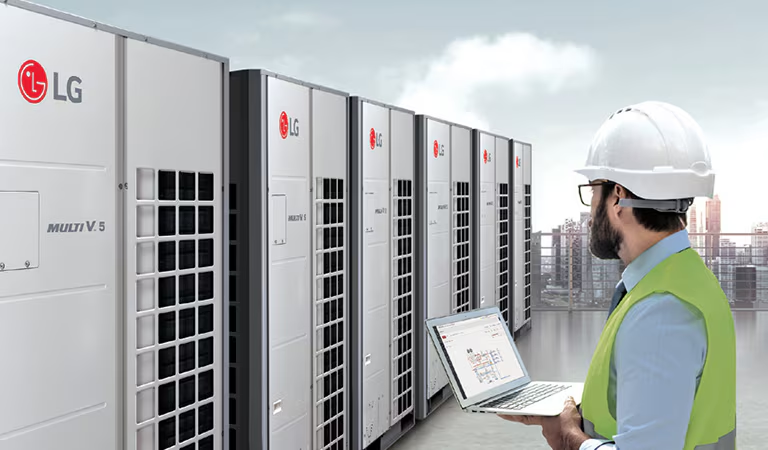
Commercial air conditioning units differ significantly from residential systems primarily in terms of scale and complexity. Commercial AC units are designed to cater to the needs of office buildings, retail spaces, hotels, and other large structures. Consequently, this makes them much larger and more robust than their residential counterparts, boasting higher capacities to cool extensive areas efficiently.
The size and capacity variances are substantial, as commercial systems often require custom setups that can handle hundreds or even thousands of tons of cooling. These demands dictate a more intricate design, which can include multiple compressors, evaporators, and air handlers to address the larger volume of air and the greater heat load arising from the numerous occupants, equipment, and electronics.
Moreover, commercial AC units are specifically engineered to consider structural aspects of buildings, such as ceiling heights, long ductwork runs, and the use of rooftop spaces for installation. Due to these considerations, professional HVAC engineers often involve complex load calculations and system designs to ensure appropriate temperature management across different zones within the building.
Speaking of zoning, the role it plays in commercial air conditioning cannot be understated. Unlike residential units which usually operate on a single-zone principle, commercial ACs typically incorporate multiple zones to allow for varying climate control settings in different areas of a building. Advanced thermostats and building management systems enable individualized control of temperatures in diverse spaces, leading to enhanced comfort and operational efficiency that can adapt to the unique requirements of each zone.
Residential Air Conditioners Explained
Residential air conditioning systems are designed to provide comfort by cooling and often dehumidifying the air within homes. Unlike their commercial counterparts, these systems are typically geared towards single-zone cooling, where a single thermostat controls the temperature throughout the home or designated areas within the residence.
There are several types of residential AC systems to choose from. The most common include window units, which are affordable and easy to install; split systems that have an indoor and an outdoor unit; and centralized air conditioning, which is integrated into the home’s heating, ventilation, and air conditioning (HVAC) system for consistent, whole-home cooling. Portable air conditioners are also an option for those needing temporary or spot cooling without the need for permanent installation.
Energy efficiency is a significant concern for homeowners, as air conditioning can account for a considerable portion of a home’s energy use during warm months. Many modern residential AC units are designed with energy savings in mind, boasting high Seasonal Energy Efficiency Ratio (SEER) ratings—a measure of cooling output divided by electricity usage. Additionally, residential AC systems may include features like programmable thermostats and energy-saving modes to help homeowners manage usage and reduce utility bills.
Despite the variety in types and features, residential AC units are generally simpler compared to commercial systems. They have a less complex installation process and tend to require less frequent maintenance, yet they offer sufficient cooling to maintain a comfortable living environment in most climates.
Installation and Maintenance Demands
The installation of air conditioners is an intricate process that varies significantly between commercial and residential systems. Commercial AC units often demand professional installation due to their complexity, larger size, and the need to interface with broader building management systems. These units are typically modular and may be custom-designed to cater to specific commercial requirements, necessitating skilled technicians who can ensure the systems are properly calibrated for efficient operation.
Residential air conditioners, while also requiring professional installation, are generally simpler and take less time to set up. Installations are straightforward because residential units usually involve standard split systems or window units designed for single-family homes. Proper installation ensures that these systems operate efficiently and safely within the home environment.
When it comes to maintenance, commercial AC units require a rigorous schedule. These systems run for more extended periods and serve more considerable numbers of occupants, thus experiencing quicker wear and tear. Regular professional check-ups are critical in identifying issues before they escalate into costly repairs. Contrastingly, residential AC systems, with less frequent usage, have lower maintenance demands. Homeowners might only require seasonal maintenance, like filter changes and system inspections to ensure optimal functioning.
Commercial units are built for endurance and continuous usage, whereas residential systems are typically designed for less intense operation. Consequently, commercial ACs may have a longer lifespan if properly maintained, even though they are subjected to more rigorous use.
Cost Analysis: Commercial vs. Residential AC
When considering the costs associated with air conditioning systems, it’s crucial to distinguish between the financial demands of commercial and residential units. The initial investment in a commercial AC system is typically higher due to its larger size, increased capacity, and the complexity of the installation process. This involves not only the unit itself but also the added cost of ductwork, advanced controls, and professional installation by a certified HVAC technician.
Residential air conditioners, on the other hand, come in a variety of types, ranging from window units to complex central systems. However, even the most advanced home systems are generally less expensive to purchase and install compared to their commercial counterparts. This lower upfront cost is a reflection of the smaller scale and less intricate deployment involved in residential setups.
Operating expenses must also be factored into the cost analysis. Commercial units are designed to run efficiently in larger spaces, with frequent on-off cycles and high demand. Consequently, their energy consumption and operational costs can be substantial. In contrast, residential AC systems are optimized for lower power use and tend to have less impact on monthly utility bills, assuming they are properly maintained and operated.
Repairs and maintenance schedules also contribute to the long-term cost. Commercial systems, due to their necessity for uninterrupted operation in business environments, may require a service contract for regular maintenance, whereas residential units typically incur lower maintenance fees and can often be serviced on a less frequent basis. Nevertheless, both systems should undergo routine checks to ensure longevity and efficiency, as neglecting maintenance may lead to costly repairs and reduced durability over time.
As such, while homeowners are usually concerned with upfront and ongoing costs, businesses must weigh the long-term operational savings of a more expensive, yet reliable and capable, commercial AC system against its higher upfront investment.
Choosing the Right Air Conditioner for Your Needs
Selecting the proper air conditioner, whether for a commercial space or a residential setting, involves a careful assessment of cooling requirements. For business owners, the necessity to maintain a comfortable environment for employees, customers, and equipment dictates a robust system capable of handling multiple zones and a higher volume of air exchange. Conversely, homeowners typically require a simpler, single-zone unit that fits the square footage and specific cooling needs of their living space.
Financial considerations extend beyond the initial investment. While commercial units may have a heftier upfront cost, their design to endure frequent use could translate to less frequent replacements compared to residential models. Operational costs also diverge, with larger commercial AC systems consuming more energy, emphasizing the importance of considering energy-efficient options to manage long-term expenses.
Environmental considerations are becoming increasingly significant in AC equipment choice. Energy-efficient models not only lower operating costs but also minimize the environmental footprint, aligning with green building practices and potentially qualifying for tax incentives or rebates.
Finally, professional guidance should not be underestimated in the decision-making process. AC specialists can provide valuable insight into the latest technologies, optimal system size, and performance features to suit specific needs. They can also ensure that installations comply with local regulations and building codes. Whether the goal is to regulate the climate of a sprawling commercial facility or to cool a cozy home, consulting with an HVAC professional will help achieve a balance between comfort, cost, and energy efficiency.
