



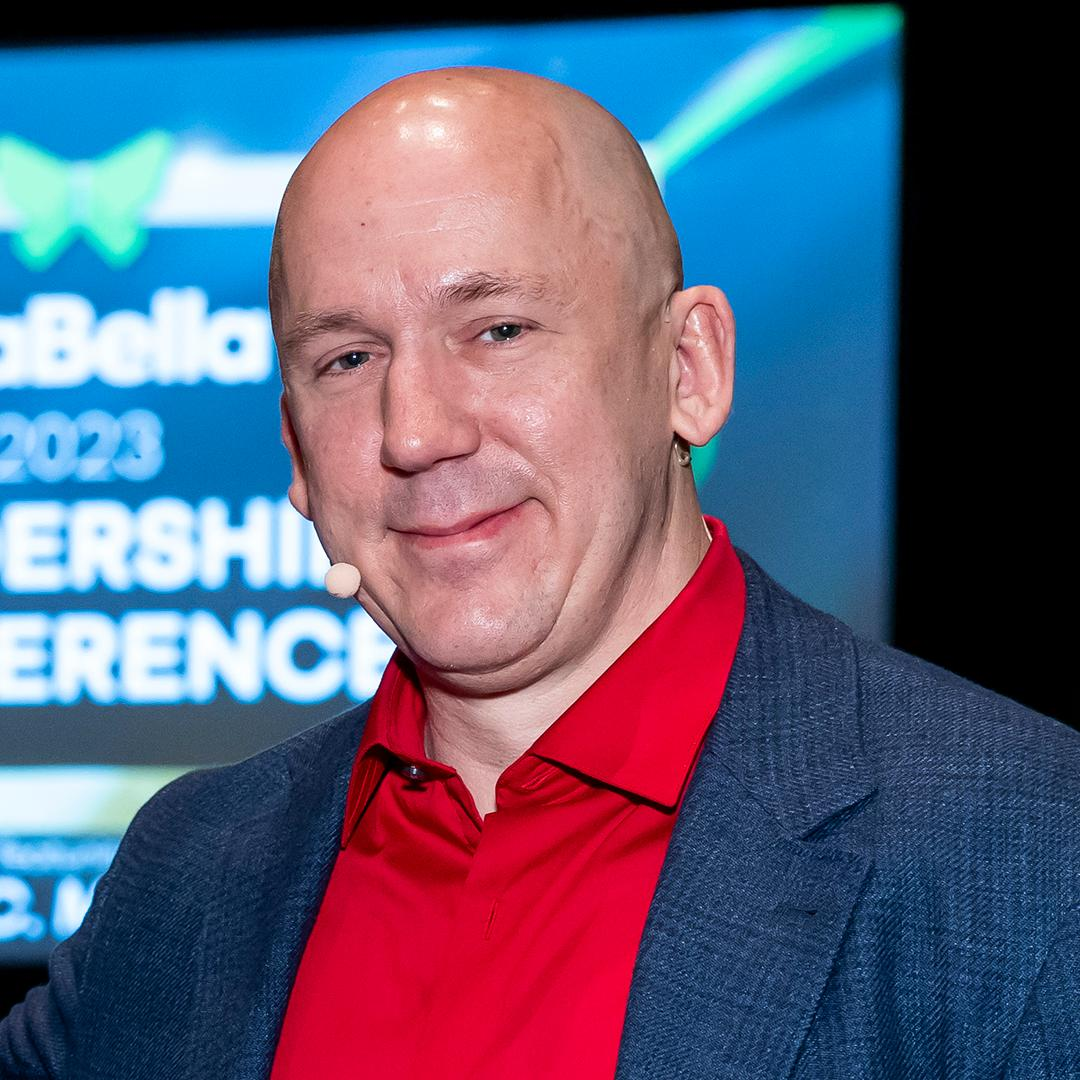
When Donnie McMillan Jr. founded DaBella in 2011, his vision was clear: to create more than just a home improvement company. He sought to build a thriving organization where employees and customers felt valued, empowered, and connected. Today, DaBella operates in 20 states with over 52 locations, a testament to McMillan’s ability to cultivate a culture of success.
From investing in employee growth to fostering a customer-first mindset, McMillan’s leadership exemplifies how a strong organizational culture can drive both excellence and expansion.
The Foundation of Family and Care
For McMillan, the roots of DaBella’s culture lie in its name. “When we started the company, we wanted to make sure we had a family atmosphere, so I named it after my two twins, David and Isabella,” he explained. “I wanted to name the company [after them] so everybody could keep it in the front of their mind that this is all about family. It’s about the families that you go and see out there day to day in their homes — our customers. It’s about the families and opportunities we provide for ourselves.”
McMillan believes this approach fosters trust, a critical ingredient for long-term success in the home improvement industry.
Developing Leaders From Within
One of McMillan’s most significant contributions to DaBella’s culture is his commitment to employee development. Unlike many companies that hire leaders externally, DaBella promotes almost exclusively from within. “We don’t acquire anybody. You have to start off as an entry-level person in the company and work your way through sales before you can be put in that class to go with the location for us,” he explained.
This practice reflects McMillan’s belief in the power of personal growth. Every DaBella employee is encouraged to reach their full potential through leadership training, mentoring, and self-improvement programs. “Roughly, you know, an average employee is getting about two hours a week in some sort of self-growth, teamwork, or leadership initiative,” McMillan shared. “We invest a tremendous amount into even the most entry-level employee if they want to be involved in it.”
Leaders and managers receive even more focused development, with 10% of their working hours dedicated to coaching and mentoring others. “Leadership is an awesome responsibility. It’s not about money. You better know that it’s about taking care of other people,” McMillan stated.
Core Values That Shape the Culture
DaBella’s culture is grounded in three core values: leadership, growth, and care. These values permeate every aspect of the business, guiding decisions and shaping behavior. McMillan explained the importance of these values during the company’s rebranding process, when a third-party entity was retained to evaluate DaBella’s identity. “What was interesting to them is the employee base … all of the staff could explain the core values, the culture of the company very well,” he said.
Leadership, in particular, is central to DaBella’s mission. The company invests heavily in training employees to lead with empathy and influence. “You find a good person who wants to grow, and eventually, you hire more people who want to follow them,” McMillan explained.
Growth is equally important, both for the company and its employees. “Growth with success through the success of others. That’s a cultural thing. We can’t get anywhere on our own,” McMillan said. This mindset is reflected in DaBella’s rigorous training programs and promotion structure, which provide employees with clear pathways to advancement.
Care, the third pillar of DaBella’s culture, extends to both customers and employees. “We care for families. We care for us, so you can’t have one without the other,” McMillan shared. This principle informs DaBella’s customer service approach, where employees are taught to treat every home as if it belonged to their grandmother.
Building Community and Giving Back
McMillan’s commitment to care goes beyond the company’s operations — it also extends to the communities DaBella serves. One of the ways DaBella builds a culture of success is by fostering a sense of purpose among employees through community engagement initiatives.
The company’s DaBella Cares program, which raised money for cancer charities, is a shining example of this commitment. In 2024, DaBella raised $280,000 for the cause. Additionally, DaBella provides free home improvement projects for veterans and families in need through Operation Hero in partnership with the GAF Community Contractor Program. McMillan’s goal is to eventually offer free projects in every market DaBella serves.
“To be able to reach out back to that community, to be able to try to take care of people, is … really important to us,” McMillan said. “It really does help us with our employees being reenergized. We’ll see people in need to be taken care of.”
Navigating Challenges With a Strong Culture
In an industry known for its challenges — economic fluctuations, shifting consumer behavior, and high competition — DaBella’s culture has remained stable, says McMillan. “It’s the day-to-day people that are actually getting that done,” he said. “One of the stats we track is how many people within the company make over $100,000 a year and every year, the number of those earners increases. I really feel that it’s very important to give people those opportunities.”
The company operates like a “continuous startup,” constantly refining its processes to stay competitive and efficient. “What we’re doing today won’t be the way we do it six months or a year from now,” McMillan explained.
The Secret to Success: People
For McMillan, the ultimate driver of success at DaBella is its people. “Every voice here matters,” he said. “The company is full of 2,000 important individuals and no one is better than the other. If you’re in leadership, it’s an awesome responsibility.”
“When you put people first, everything else follows,” he said — a philosophy that has propelled DaBella to the forefront of the home improvement industry.
With McMillan at the helm, DaBella isn’t just building homes — it’s building lives, careers, and communities, one project at a time.
