



While core surgery usually involves implant placement, proper postoperative care assures the most uneventful healing and the best long-term success. Dentist Ellenbrook has continued to evolve, with a revolution in replacing missing teeth through dental implants. Nutrition is perhaps one of the least-concerned aspects of this whole process. In Perth, just like all over the world, nourishment is key to recovery, so the nutritive uptake appropriate to the need for dental implants makes all the difference.
The article explains the importance of nutrition in dental implant recovery, including the general nutrition required and dietary suggestions. It also emphasises the need to seek advice from local health professionals within Perth.
Understanding Dental Implant Recovery
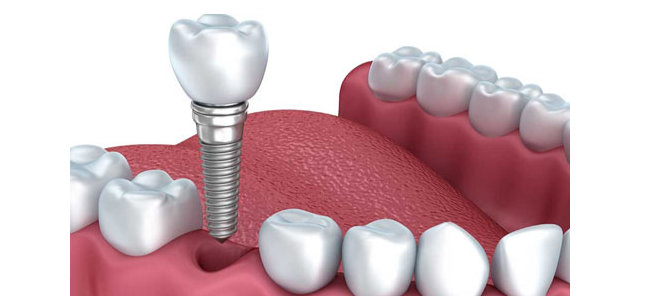
Dental implants Perth surgery involves placing a titanium post into the jawbone, which acts as an artificial root for the replacement tooth. After the placement, the body heals through osseointegration, in which the implant gradually integrates with the surrounding bone tissue. This process is essential for the stability and long-term viability of the implant.
Factors that affect recovery include:
Bone health: A good bone density is crucial for successful osseointegration.
Immune response: The healthy immune system prevents infections and speeds healing.
Lifestyle factors include smoking, alcohol consumption, and poor eating habits that hinder recovery.
Through nutrition, the body repairs tissues, reduces inflammation and heals in general.
Key Nutrients for Dental Implant Recovery
A well-balanced diet with all the essential nutrients is essential during recovery. The following are some of the beneficial nutrients for recovery after surgery:
- Protein
Proteins are the building blocks of tissues and are highly important in wound healing and tissue repair. After surgery, the body’s need for protein increases to accommodate cell and tissue regeneration around the implant site.
Sources:
- Lean meats (chicken, turkey)
- Fish (salmon, mackerel)
- Eggs
- Dairy products (yogurt, cheese, milk)
- Plant-based options (tofu, lentils, chickpeas)
2. Calcium
Calcium is essential to the bones and also plays a significant role in strengthening the jawbone around the implant. It assists nerve function and muscle contractions, which are crucial in oral health.
Sources:
- Dairy products (milk, cheese, yogurt)
- Leafy greens (kale, spinach)
- Almonds
- Fortified plant-based milk (soy, almond)
- Sardines and salmon with bones
3. Vitamin D
Vitamin D promotes calcium absorption, thus enhancing the bone mineralization process. It also supports immune function and minimizes the risk of post-surgery infections.
Sources:
- Sunlight exposure (10-15 minutes daily in Perth’s mild sunlight)
- Fatty fish (salmon, tuna)
- Egg yolks
- Fortified foods (cereals, milk)
- Vitamin C
Vitamin C is necessary for synthesising collagen, a protein essential in healing. It also exerts antioxidant properties, which help reduce inflammation and promote tissue repair.
Sources:
- Citrus fruits (oranges, lemons, grapefruits)
- Strawberries
- Kiwi
- Bell peppers
- Broccoli
5. Zinc
Zinc enhances the body’s immune function and quickens wound healing. It is highly required for cellular regeneration or repair processes and essential during dental implant recovery.
Sources:
- Shellfish (oysters, crab)
- Red meat
- Poultry
- Nuts and seeds (pumpkin seeds, cashews)
- Whole grains
6. Iron
Iron supports red blood cell production, ensuring tissues receive adequate oxygen for healing. It also plays a role in immune function.
Sources:
- Red meat
- Poultry
- Spinach
- Lentils
- Fortified cereals
7. Vitamin A
Vitamin A is essential for maintaining healthy mucous membranes and skin, including the gums and oral tissues.
Sources:
- Carrots
- Sweet potatoes
- Spinach
- Liver
- Apricots
Dietary Recommendations During Recovery
1. Soft and Nutrient-Dense Foods
Immediately after surgery, soft foods that require minimal chewing are necessary to avoid putting stress on the implant site. Nutritious examples of such foods include:
- Smoothies (with added fruits, yogurt, and protein powder)
- Mashed potatoes or sweet potatoes
- Scrambled eggs
- Soups and broths
- Oatmeal or porridge
2. Hydration
General healing is aided by hydration. Water flushes the toxins out and keeps the tissues elastic. Avoid caffeinated beverages or those containing sugar, for they may impede the healing process.
- Avoid Hard, Crunchy, or Sticky Foods
Sticky, crunchy, or hard foods may further irritate the implant site and delay the healing process. Examples include:
- Nuts and seeds
- Hard candies
- Chips
- Sticky toffees
Importance of Professional Guidance in Perth
While general dietary recommendations are helpful, personalised advice from a healthcare professional can make a significant difference. Perth residents can benefit from consulting:
- Dentists and Oral Surgeons
Your dentist or oral surgeon can provide specific postoperative care instructions, including food recommendations tailored to your recuperation requirements.
- Dietitians and Nutritionists
Local dietitians and nutritionists in Perth can design a customised meal plan to ensure optimal nutrient intake during recovery.
- Community Resources
These range from support groups in Perth to the community health level, where people can share their stories and learn about recovery.
Local Nutritional Options in Perth
From a broad agricultural base, Perth provides abundant fresh local produce, which can support recovery after dental implant surgery. Farmers’ markets and organic stores in the city boast high-quality ingredients like:
- Seasonal fruits and vegetables
- Grass-fed meats
- Fresh seafood
- Organic dairy products
Some popular markets in Perth include:
- Fremantle Markets
- Subiaco Farmers Market
- Stirling Farmers Market
Additionally, local health food stores and cafes prepare nutrient-dense meals that are ready to go and suitable for post-surgery recovery.
Conclusion
Nutrition after dental implant surgery is an integral part of the healing process. To ensure the implants ‘ highest possible healing process and long-term success, patients should look for a diet rich in nutrients, including protein, calcium, vitamin D, and omega-3 fatty acids. Fresh produce grown in abundance in Perth will help residents get the required medical treatment.
Combine these nutritional strategies with professional advice tailored to your needs for the best results. With the right approach, you can enjoy a smooth recovery and the numerous benefits of dental implants.
