



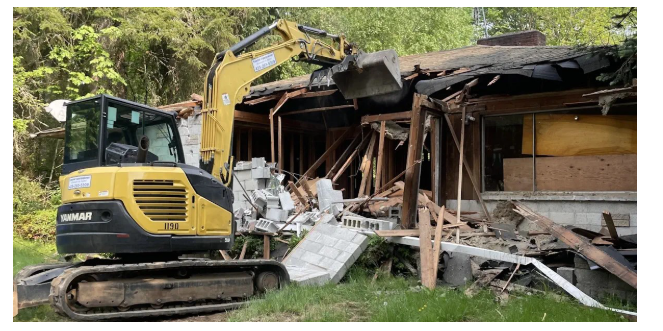
Demolishing an old garage can be a daunting task, but with careful planning, the right tools, and proper safety measures, it can be done safely and efficiently. Whether you’re making space for a new structure, expanding your yard, or removing a deteriorated building, following a systematic approach ensures success while minimizing risks.
Here’s a detailed guide to safely and efficiently demolish an old garage.
Step 1: Plan and Prepare
Assess the Structure
Before starting demolition, thoroughly inspect the garage to determine:
- Condition: Identify weak points and areas of concern.
- Materials: Note if the garage contains hazardous materials like asbestos or lead paint.
- Utilities: Check for existing gas, water, or electrical connections.
Obtain Necessary Permits
Most municipalities require a permit for demolition projects. Check with your local government to:
- Ensure compliance with regulations.
- Avoid fines or legal issues.
Notify Neighbors
Inform neighbors about your demolition plans. This fosters goodwill and helps them prepare for potential noise or dust.
Step 2: Gather Tools and Equipment
Having the right tools makes the process more efficient. Commonly needed items include:
- Safety Gear: Hard hats, gloves, safety goggles, steel-toed boots, and dust masks.
- Demolition Tools: Sledgehammers, pry bars, reciprocating saws, and crowbars.
- Heavy Equipment: For larger garages, you may need excavators or bulldozers.
- Debris Disposal: Rent a dumpster or arrange for a hauling service.
Step 3: Disconnect Utilities
Ensure all utilities are safely disconnected before beginning demolition:
- Electricity: Shut off power at the main breaker and disconnect wiring.
- Water: Turn off the water supply and cap any pipes.
- Gas: Contact your utility provider to safely disconnect gas lines.
Neglecting this step can lead to accidents or dangerous situations.
Step 4: Remove Hazardous Materials
If your garage contains hazardous materials like asbestos or lead paint, hire a certified demolition professional to remove them. Attempting to handle these materials without proper training can pose serious health risks.
Step 5: Clear the Interior
Remove Contents
Empty the garage of all items, including:
- Furniture, tools, and equipment.
- Shelves, cabinets, or fixtures attached to walls.
Salvage Usable Materials
Consider salvaging materials that can be reused or recycled, such as:
- Wood beams.
- Metal components.
- Doors and windows.
This reduces waste and may save money.
Step 6: Start Demolition
Work Top to Bottom
Demolish the garage systematically, starting with the roof:
- Roof: Remove shingles, metal panels, or other roofing materials.
- Ceiling and Trusses: Take down supports and beams carefully to prevent collapse.
- Walls: Tear down walls piece by piece using pry bars or saws.
- Foundation: Break up the concrete slab using a jackhammer or heavy equipment.
Use Safety Measures
- Work slowly to avoid accidents.
- Ensure no one is in the collapse zone.
- Keep children and pets away from the site.
Step 7: Manage Debris
Sort and Dispose
Separate debris into categories for disposal or recycling:
- Wood and Metal: Recycle where possible.
- Concrete: Break into smaller pieces and arrange for proper disposal.
- Hazardous Waste: Dispose of in accordance with local regulations.
Rent a Dumpster
A large dumpster makes it easier to handle debris and keeps the site organized.
Step 8: Clean Up the Site
After demolition, ensure the area is clean and safe:
- Remove all debris and tools.
- Fill holes or level uneven ground.
- Inspect for any remaining hazards, such as nails or sharp objects.
Step 9: Plan for Future Use
With the garage gone, you can now use the cleared space for:
- A new structure, such as a modern garage or shed.
- An expanded yard or garden.
- Additional parking or recreational space.
Why Hire Professionals?
While DIY demolition is possible, hiring professionals offers several advantages:
- Safety: Experts handle hazardous materials and heavy equipment safely.
- Efficiency: Professionals complete the job faster with specialized tools.
- Compliance: They ensure all regulations and permits are adhered to.
Conclusion
Demolishing an old garage requires careful planning, the right tools, and adherence to safety guidelines. By following these steps, you can ensure a smooth and efficient process, minimizing risks and preparing the space for future use.
For larger or more complex projects, consider hiring a professional demolition service. Their expertise ensures the job is done safely, efficiently, and in compliance with local regulations.
