



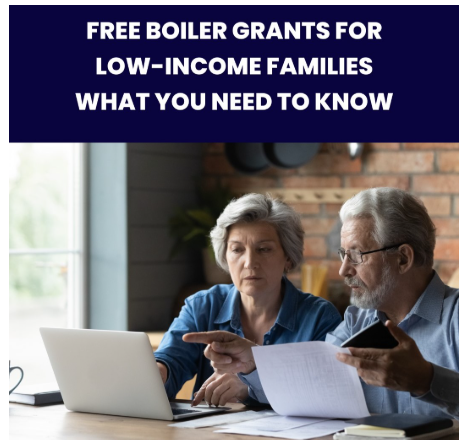
When energy costs go up, over time, the issue of controlling home heating poses a big problem to families of lesser means.
To many families, an old or a worn out boiler does more than just bump up electricity bills, but also determines how comfortable a home will be during the frosty periods.
There is still good news out there because there are free boiler grants that are available to families to assist with replacing or upgrading their boilers, so they can keep their homes warm and use energy efficiently.
Whether you are trying to get a better understanding of the boiler replacement scheme over 60s or a similar program, this guide has the information you need.
What are the Boiler Grants?
Although boilers grants are sections under government funded or charitable organizations, their aim is to assist low income earners and individuals more often.
These grants assist in paying for the amount to be spent on replacement of old and inefficient boilers with new efficient ones.
The goal is to cut down on the amount of energy being used, cheap heating bills and the practice of environmentally friendly lifestyles.
Most of these schemes target the most needy population in society; the needy population includes the low income earners, pensioners and those with special health needs.
The boiler replacement scheme over 60s is one of them that aims to assist older people who might be financially stretched to buy a new boiler.
Why Are Boiler Grants Important?
Heating accounts for a significant portion of energy usage in most households. Older boilers tend to consume more energy, driving up utility bills. Replacing them with modern, efficient boilers can:
- Lower energy consumption by up to 30%.
- Reduce heating bills substantially.
- Contribute to environmental sustainability by cutting carbon emissions.
For low-income families and older adults, these grants can make a critical difference, providing both financial relief and improved living conditions.
Who Qualifies for Free Boiler Grants?
Eligibility for free boiler grants typically depends on income level, household composition, and specific government or organizational criteria. Here are the most common qualifications:
- Low-Income Families: Households with limited income are often prioritized, especially those receiving benefits like Universal Credit, Income Support, or Pension Credit.
- Over 60s: Seniors are a key focus of the boiler replacement scheme over 60s, especially those living alone or on a fixed pension.
- Health Conditions: Households with members suffering from health issues aggravated by cold conditions, such as asthma or arthritis, may qualify.
- Energy Inefficient Boilers: Grants often apply to boilers that are old, inefficient, or costly to maintain.
Each scheme has specific requirements, so it’s essential to check the criteria carefully before applying.
How to Apply for Boiler Grants
Applying for a boiler grant is a straightforward process, but it requires gathering the necessary information and documents. Here’s a step-by-step overview:
- Check Eligibility
Visit the official website of the grant provider or government agency to review the criteria. Use online eligibility checkers to see if you qualify. - Provide Documentation
You’ll need proof of income, benefits, age, or health conditions. This may include:
- Pay slips or bank statements.
- Proof of benefits (e.g., Universal Credit statements).
- Identification documents like a passport or driver’s license.
- Assessment of Current Boiler
An inspector may visit your home to evaluate your boiler’s efficiency and determine if it qualifies for replacement. - Approval and Installation
Once approved, a registered technician will install the new boiler at no or minimal cost to you.
The Boiler Replacement Scheme for Over 60s
For seniors, the boiler replacement scheme over 60s is a lifeline. Older adults often face unique challenges when managing their homes, particularly if they live alone or have mobility issues.
The scheme aims to ensure that seniors can stay warm and safe without the financial strain of replacing an outdated boiler.
Benefits of the Scheme
- Financial Savings: New boilers can reduce heating bills significantly, offering long-term cost benefits.
- Energy Efficiency: Modern boilers are more efficient, minimizing energy waste and reducing environmental impact.
- Improved Comfort: A reliable boiler ensures consistent heating, making homes more comfortable during winter.
- Peace of Mind: Seniors no longer need to worry about unexpected breakdowns or repair costs.
Additional Support for Seniors
Some programs offer extra perks, such as:
- Free annual servicing.
- Extended warranties for the new boiler.
- Energy-saving advice and home insulation recommendations.
Alternatives to Free Boiler Grants
If you don’t qualify for a free grant, other options may still help you reduce the cost of a boiler replacement:
- Energy Company Obligation (ECO)
This government-backed scheme requires energy suppliers to support households in improving energy efficiency. - Payment Plans
Some boiler providers offer affordable payment plans or financing options to spread the cost over time. - Charity Support
Charities like Age UK sometimes assist seniors with heating-related expenses. - Energy Efficiency Upgrades
Consider additional upgrades, such as insulation or smart thermostats, to further reduce energy costs.
The Impact of Energy-Efficient Boilers
Replacing an old boiler is about more than just cutting costs. It’s a step toward creating a greener and healthier future. Modern boilers:
- Reduce greenhouse gas emissions.
- Enhance indoor air quality.
- Provide consistent heat with less energy.
For low-income families, these benefits are invaluable. Staying warm in winter shouldn’t come at the expense of financial security or environmental sustainability.
Tips for Maximizing Your Savings
Once you’ve replaced your boiler, you can further maximize savings by adopting energy-efficient practices:
- Lower the thermostat slightly to save on heating costs.
- Use a timer to control when your heating comes on and off.
- Regularly service your boiler to maintain efficiency.
- Ensure your home is well-insulated to retain heat.
Conclusion
Free boiler grants, including the boiler replacement scheme over 60s, are an excellent opportunity for low-income families and seniors to upgrade their heating systems.
These programs not only reduce the financial burden of replacing an outdated boiler but also ensure a warm and comfortable home.
If you or someone you know could benefit from such a scheme, don’t hesitate to explore your options.
The application process is simple, and the long-term benefits are undeniable. By taking advantage of these grants, you can enjoy lower energy bills, a more efficient home, and peace of mind knowing you’re contributing to a greener planet.
Common Questions About Free Boiler Grants
1. Can I Apply If I Rent My Home?
Yes, tenants can apply for grants, but landlord permission is usually required. Discuss this with your landlord to facilitate the process.
2. Are There Any Costs Involved?
In most cases, the grants cover the full cost. However, some schemes may require a small contribution depending on your circumstances.
3. How Long Does the Process Take?
From application to installation, the process can take a few weeks. Delays may occur during peak seasons, so apply early.
4. What Happens to the Old Boiler?
The installation team typically removes and disposes of the old boiler in an environmentally responsible manner.
