



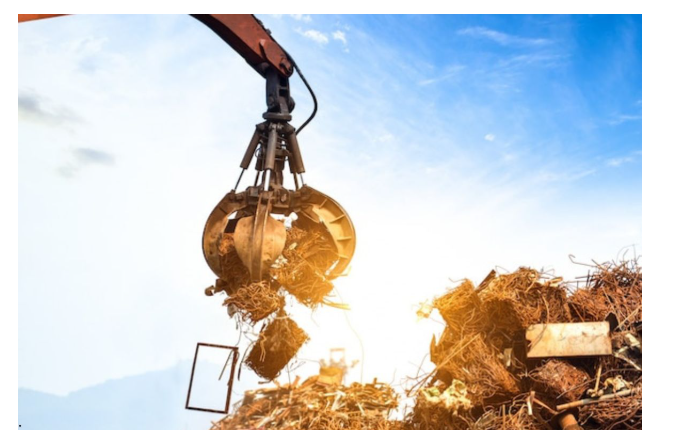
Recycling scrap metal is a fantastic way to make a little extra money while also helping the environment. Scrap metal recycling reduces landfill waste, conserves natural resources, and lowers energy consumption compared to mining new metal. Whether you’re cleaning out your garage or working on a renovation project, you may find yourself with a pile of scrap metal that can be recycled. In this guide, we’ll walk you through the steps of how to recycle scrap metal and show you why choosing a trusted local facility like Warren Scrap Yard is your best bet.
Step 1: Identify Your Scrap Metal
Before you can recycle your scrap metal, it’s important to know what kind of metal you have. Metals are generally classified into two categories: ferrous and non-ferrous.
- Ferrous Metals: These metals contain iron, making them magnetic. Common ferrous metals include steel and cast iron. While they’re less valuable than non-ferrous metals, they’re still worth recycling.
- Non-Ferrous Metals: These metals don’t contain iron, so they aren’t magnetic. They’re typically more valuable and include aluminum, copper, brass, and stainless steel. Copper and brass, in particular, can fetch high prices at certain scrap yards.
How to test your metal
An easy way to identify metal type is by using a magnet. If the magnet sticks, it’s ferrous; if it doesn’t, it’s non-ferrous. Separating metals this way will save time and help you get better prices when selling your scrap.
Step 2: Prepare Your Scrap Metal
Once you’ve identified your metals, it’s time to prepare them for recycling. Scrap yards often prefer clean, sorted metals, so the more organized you are, the better your experience will be. Here’s how to prepare:
- Remove non-metal components: If your scrap items have attached materials like plastic, wood, or rubber, remove them beforehand.
- Sort your metals: Group metals by type—keep copper separate from aluminum, and steel separate from brass.
- Check for hazardous materials: Make sure the metal isn’t contaminated with chemicals, oils, or other hazardous substances. Some materials, like certain batteries or electronics, may require special handling.
By following these steps, you’ll not only get the best price for your scrap but also help ensure smooth processing .
Step 3: Know the Value of Your Scrap Metal
Scrap metal prices fluctuate depending on market demand. Non-ferrous metals like copper, aluminum, and brass tend to be more valuable than ferrous metals. For example, clean copper wire can command a significantly higher price than scrap steel.
It’s a good idea to check current prices before heading to the yard. Local yards offer competitive pricing and are happy to provide up-to-date rates. If you’re unsure about the value of your metal, calling ahead can help you get an estimate.
Step 4: Safely Transport Your Scrap Metal
Transporting scrap metal safely is crucial, especially if you have a large load. Here are a few tips to make the process easier:
- Use proper equipment: Gloves, goggles, and sturdy footwear can help protect you from sharp edges.
- Secure your load: Use tarps or netting to keep smaller metal pieces from falling out of your vehicle during transit.
- Choose a suitable vehicle: If you have large or heavy items, consider renting a truck or trailer to transport them safely.
Transporting your scrap there can save time and fuel costs compared to traveling to distant recycling centers.
Step 5: Sell Your Scrap Metal at Warren Scrap Yard
Now that your scrap is sorted, prepared, and transported, it’s time to sell it. At Warren Scrap Yard, the process is simple and transparent:
- Weighing: Your scrap will be weighed to determine its total mass. Non-ferrous metals are often weighed separately to ensure accurate pricing.
- Pricing: Based on the type of metal and current market rates, the staff will offer you a fair price.
- Payment: Once you agree to the price, you’ll receive immediate payment for your scrap.
Unlike some other facilities, companies like GLE Scrap Metal prides itself on offering competitive rates and providing excellent customer service.
Bonus Tips for Maximizing Your Scrap Metal Recycling
- Look for hidden scrap opportunities: Common household items like old appliances, plumbing pipes, gutters, and even some furniture can contain valuable metals.
- Recycling electronics: While standard scrap yards don’t always accept electronics, specialty facilities may recycle components like circuit boards and wiring.
- Scrap from construction sites: If you’re involved in a construction or renovation project, collect leftover metal scraps—these can add up to significant value.
- Partner with a scrap yard: If you regularly generate scrap metal through your business, consider establishing an ongoing partnership with a yard like Warren Scrap Yard for better deals and convenience.
The Environmental Benefits of Recycling Scrap Metal
Recycling scrap metal isn’t just about earning extra cash—it’s also about protecting the environment. By recycling metals, we reduce the need for mining, which in turn lowers carbon emissions and preserves natural habitats. Additionally, recycled metals use significantly less energy during production compared to mining and refining new metals.
Trust Your Local Scrap Yard to Help
Recycling scrap metal is an easy, eco-friendly, and profitable activity that benefits both individuals and businesses. By following these simple steps—identifying, preparing, and transporting your scrap—you can ensure a smooth recycling experience. And when it comes time to sell, choosing a trusted local facility like in Warren, MI guarantees fair pricing, excellent service, and a hassle-free process.
So, the next time you’re ready to recycle metal, gather your scrap and head over to a scrap yard—your wallet and the planet will thank you!
